






PHP treat your co-occurring depression and addiction through integrated care that addresses both conditions simultaneously. You’ll receive thorough clinical assessments, work with coordinated treatment teams combining addiction specialists and mental health professionals, and participate in daily intensive therapy with psychiatric oversight. This approach recognizes that these disorders fuel each other, depression often drives substance use, while continued use worsens depressive symptoms. Understanding each treatment component helps you see how PHP supports lasting dual-diagnosis recovery.
Understanding the Connection Between Depression and Addiction
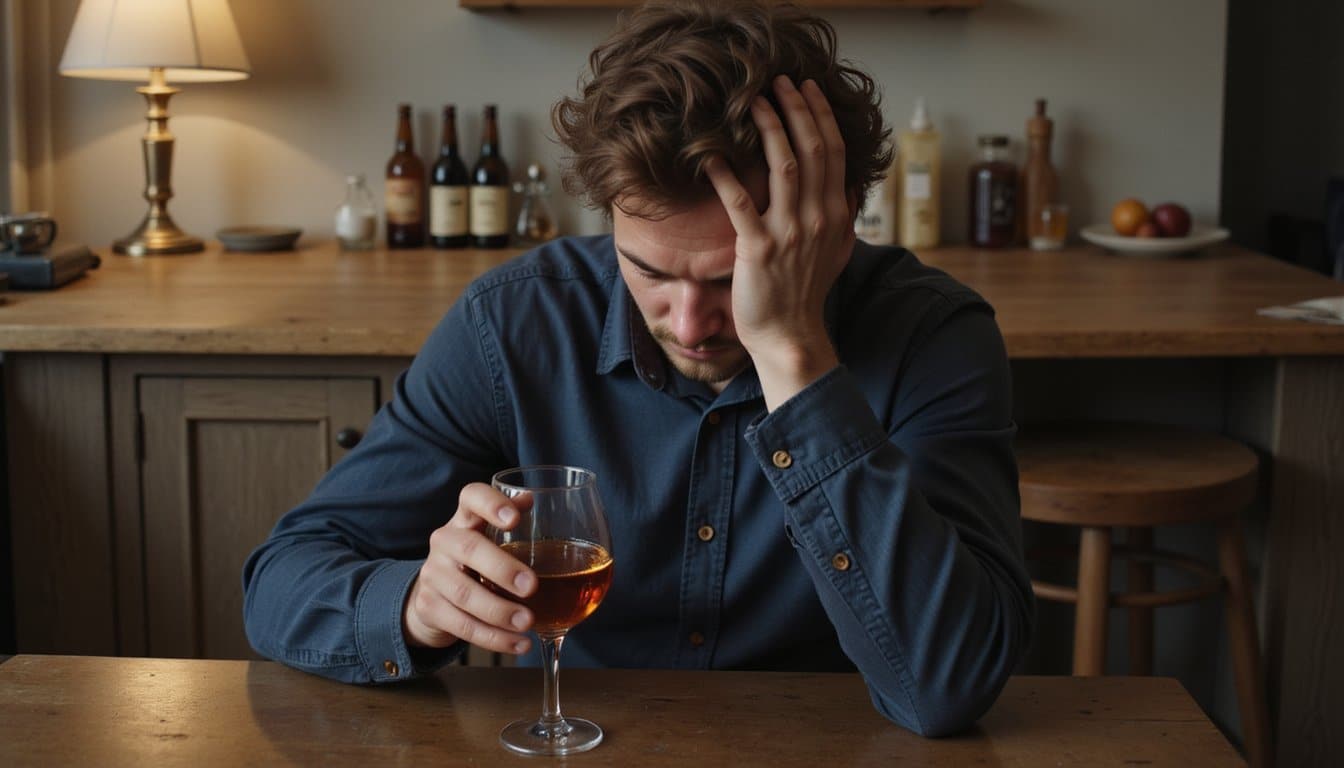
When depression and addiction occur together, they create a clinical picture far more complex than either condition alone. Research shows major depression and alcohol dependence each increase your risk for developing the other, with lifetime comorbidity reaching 21%. The comorbid mental health impact extends beyond simple co-occurrence, severity in one disorder directly associates with greater severity in the other. Studies reveal that comorbid substance use disorder rates in major depression are substantial, with lifetime alcohol use disorder occurring in 40.3% of cases.
You’ll find these conditions reinforce each other through bidirectional mechanisms. Depression often drives substance use as a coping strategy, while continued use worsens depressive symptoms and prolongs their course. This destructive loop demonstrates how co-occurring disorders exacerbate each other and present an extreme challenge for recovery. This cycle creates significant treatment engagement barriers, as persistent depression during abstinence raises your relapse risk. Among those seeking substance use disorder treatment, over 60% have an independent mood disorder requiring simultaneous intervention.
What Makes PHP the Right Level of Care for Dual Diagnosis
Treating depression and addiction simultaneously requires a level of care that matches the complexity of dual diagnosis, and partial hospitalization programs deliver precisely this integrated approach.
PHP bridges the gap between inpatient and traditional outpatient care through:
- Daily intensive therapy with psychiatric oversight while you return home each evening
- Comprehensive clinical assessments that evaluate both mental health and substance use disorders together
- Coordinated treatment teams combining addiction specialists and mental health professionals
You’ll receive structured therapeutic support without the restrictions of residential treatment. This format allows you to apply coping skills in real-world settings immediately. Without this specialized care, individuals with co-occurring disorders face higher risks of relapse, unemployment, homelessness, or incarceration. Your treatment team develops personalized aftercare plans addressing both conditions, ensuring continuity beyond PHP and establishing foundations for sustained recovery. Programs typically incorporate evidence-based approaches such as CBT, DBT, motivational interviewing, and trauma-informed therapy to effectively target both conditions.
Daily Structure and Schedule in a PHP Setting

A structured daily routine forms the backbone of PHP treatment, helping you rebuild healthy patterns disrupted by depression and addiction. Your daily schedule structure typically spans 5-6 hours across five weekdays, beginning with morning check-ins where you’ll share feelings and set goals. This flows into group therapy sessions featuring CBT, DBT, and psychoeducation.
Midday brings tailored therapeutic activities including individual therapy, case management, and specialized groups addressing anxiety and self-awareness. Individual therapy specifically addresses personal trauma, triggers, and behavioral patterns that contribute to both conditions. Afternoon programming incorporates expressive therapies like art or music therapy alongside relapse prevention work. These skill-building workshops help you learn practical strategies for navigating day-to-day challenges outside of treatment.
Each day concludes with reflection and goal-setting before you return home by late afternoon. This intensive yet flexible framework, totaling over 20 weekly hours, allows you to practice newly acquired coping skills in real-world settings while maintaining treatment momentum.
Individual Therapy Approaches for Co-Occurring Disorders
While the structured daily schedule provides your treatment framework, the individual therapy sessions within that schedule offer targeted interventions designed specifically for your unique combination of depression and addiction.
Individual therapy sessions deliver targeted, personalized interventions that address your specific depression and addiction needs within treatment.
Your therapist conducts thorough comorbid symptom evaluation to determine which evidence-based approaches address your needs. Common modalities include:
- Cognitive Behavioral Therapy (CBT), Challenges distorted thought patterns fueling both depression and substance use while building coping strategies for triggers.
- Dialectical Behavior Therapy (DBT), Develops emotional regulation and distress tolerance skills, reducing reliance on substances for mood management.
- Acceptance and Commitment Therapy (ACT), Targets avoidance behaviors by fostering psychological flexibility and value-driven action.
Through individualized goal setting, you’ll establish measurable objectives for sobriety and mental health improvement. Your therapist monitors progress, adjusts interventions, and coordinates medication management for ideal stabilization. This close collaboration with psychiatrists ensures that any medication adjustments happen promptly to address side effects or optimize pharmacological support. Research demonstrates that participants who complete these programs are more likely to maintain long-term sobriety compared to those without professional support.
Group Therapy Benefits for Depression and Addiction Recovery

When you participate in group therapy, you’ll find that peer support dramatically reduces the isolation that often accompanies both depression and addiction. Sharing experiences with others who understand your struggles creates meaningful connections that reinforce your commitment to recovery. Witnessing the progress of peers instills determination and helps you maintain a balanced perspective on your own recovery journey. You’ll also develop essential interpersonal skills, including empathy, assertiveness, and conflict resolution, that strengthen your ability to maintain healthy relationships outside of treatment. Additionally, the shared learning experience allows you to gain diverse perspectives and coping methods from other group members facing similar challenges.
Peer Support Reduces Isolation
Depression and addiction often trap individuals in cycles of shame and withdrawal that reinforce one another, but group therapy within PHP directly counters this destructive pattern. You’ll discover an inclusive atmosphere where shared experiences normalize your struggles and reduce self-stigma. Trained therapists lead these sessions, ensuring discussions remain productive and therapeutically beneficial.
Peer support provides critical therapeutic benefits:
- Connection through shared understanding, You gain validation from others who comprehend dual-diagnosis challenges firsthand
- Meaningful bonds that extend beyond sessions, You build support networks offering accountability during vulnerable moments
- Collective encouragement fostering hope, You witness peer recovery progress, reinforcing that lasting change remains achievable
This supportive environment enables honest discussions about both conditions without judgment. Group members can also effectively confront individuals about harmful behaviors in ways that promote accountability and growth. You’re not facing recovery alone, group members become invested in your well-being while you contribute to theirs, creating mutual reinforcement that combats isolation effectively.
Shared Experiences Build Connection
Because group therapy places you alongside others traversing the same dual-diagnosis challenges, shared experiences become powerful catalysts for meaningful connection and accelerated recovery. When you hear peers describe struggles with overlapping depression and addiction symptoms, you recognize your own patterns and feel less isolated in your journey.
These interactions foster mutually accountable relationships that strengthen commitment to treatment goals. You witness how others navigate setbacks and celebrate milestones, gaining practical strategies while building genuine bonds rooted in understanding. Regular check-ins within the group introduce accountability that significantly reduces the likelihood of relapse during vulnerable moments.
Safe sharing spaces allow honest dialogue about stigmatized conditions without judgment. Through collective wisdom, you access diverse coping methods that individual therapy may not reveal. A trained mental health professional facilitates these sessions to guide productive exploration and ensure discussions remain supportive. This specialized knowledge, developed through shared understanding of how depression and addiction interact, accelerates personal breakthroughs and reinforces that recovery from co-occurring disorders is achievable.
Interpersonal Skills Development
Through consistent participation in group therapy, you’ll develop essential interpersonal skills that depression and addiction often erode over time. The safe therapeutic environment allows you to practice communication patterns that substance use and mood disorders have compromised.
Within PHP group sessions, you’ll strengthen three core competencies:
- Active listening and empathy, You’ll learn to engage authentically with peers’ experiences while developing compassion for yourself and others.
- Conflict resolution techniques, You’ll navigate disagreements constructively, building skills transferable to relationships outside treatment.
- Assertive communication, You’ll express needs and boundaries without aggression or passivity.
Understanding teamwork dynamics within the group setting helps you rebuild trust through honest dialogue. These interpersonal abilities directly support dual-diagnosis recovery by reducing isolation triggers and establishing healthier relationship patterns essential for sustained sobriety and emotional stability.
Medication Management Strategies for Dual Diagnosis Patients
Managing medications for dual diagnosis patients requires precise coordination, as both depression and addiction influence how your body processes and responds to pharmacological interventions. Through coordinated treatment planning, your provider evaluates both conditions simultaneously, ensuring prescription monitoring catches potential interactions between psychiatric and addiction medications.
| Medication Type | Primary Function | Dual Diagnosis Consideration |
|---|---|---|
| Antidepressants | Alleviate depression symptoms | Monitor for addiction interactions |
| Mood Stabilizers | Maintain emotional balance | Support recovery stability |
| Anti-anxiety Medications | Reduce panic attacks | Assess abuse potential |
Your treatment team tapers dosages strategically, switching medications within the same class when responses indicate adjustment. You’ll maintain a daily symptom journal while providers add adjunctive drugs as needed. This integrated approach achieves approximately 50% response rates through ongoing monitoring and evidence-based modifications. Combining pharmacotherapy with other treatment modalities such as behavioral therapies enhances the efficiency and effectiveness of your overall recovery plan.
Building Coping Skills That Address Both Conditions
Developing effective coping skills requires therapeutic approaches that target both depression and addiction simultaneously, rather than treating each condition in isolation. Through integrated treatment planning, you’ll learn evidence-based techniques that address the interconnected nature of dual diagnosis.
PHP employ multiple therapeutic modalities to build your coping toolkit:
- Cognitive Behavioral Therapy identifies negative thought patterns driving both conditions and reframes them into healthier responses.
- Dialectical Behavior Therapy teaches you mindfulness, distress tolerance, and emotional regulation to manage intense feelings without substance use.
- Motivational Interviewing strengthens your personal commitment while resolving ambivalence about recovery.
Holistic wellness practices, including meditation, exercise, and nutrition, complement these therapies by building daily resilience habits. Peer support groups reinforce your skills through shared experiences and mutual encouragement.
Maintaining Family Connections and Support During Treatment
When you enter a PHP program for co-occurring depression and addiction, maintaining strong family connections can profoundly impact your treatment outcomes and long-term recovery success. Evidence-based family engagement strategies like CRAFT and Behavioral Couples Therapy strengthen your support network while addressing both conditions simultaneously.
| Family Role | Depression Support | Addiction Support |
|---|---|---|
| Emotional validation | Reduces isolation | Fosters belonging |
| Boundary setting | Prevents enabling | Establishes accountability |
| Relapse monitoring | Recognizes mood shifts | Identifies warning signs |
| Practical assistance | Removes treatment barriers | Guarantees consistent attendance |
| Communication skills | Improves family dynamics | Reinforces positive behaviors |
Multifamily group therapy provides structured opportunities for your loved ones to understand dual diagnosis complexities. Family members learn to recognize early relapse indicators for both conditions while developing healthier interaction patterns that support sustained recovery.
Measuring Progress and Treatment Effectiveness
While family support provides the foundation for recovery, tracking measurable outcomes helps you and your treatment team determine whether your PHP program is effectively addressing both depression and addiction. Clinicians use validated screening tools to assess your psychological distress at baseline and throughout treatment, with most patients experiencing considerable improvement within 2-4 weeks.
Tracking measurable outcomes alongside family support helps ensure your PHP program effectively treats both depression and addiction.
Your treatment team monitors three key indicators:
- Symptom reduction scores, Depression and anxiety typically decrease 65-75% during PHP engagement
- AUDIT assessments, Alcohol use disorder screening tracks changes post-discharge
- CGI functioning ratings, Clinical Global Impression scores improve approximately 1.1 points from admission to discharge
Self monitoring approaches complement clinical assessments, helping you recognize progress patterns. Research confirms PHPs achieve positive outcomes in 65-80% of dual-diagnosis cases.
Transitioning From PHP to Continued Recovery Support
Because sustained recovery requires ongoing clinical support beyond structured programming, your treatment team begins developing an extensive aftercare plan well before your PHP discharge date. This individualized plan outlines your pathway, which may include outpatient therapy, specialized trauma recovery programs, or targeted treatment for anxiety and depression.
Your continued engagement with clinical services remains essential during reintegration into daily life. Psychiatrists provide medication management while therapists monitor your symptoms and progress. Virtual care options increase accessibility to ongoing oversight.
PHP serves as a bridge connecting intensive treatment to community based resources. You’ll maintain connections to support systems that address both substance use and depression within your home environment. With a 73% success rate for sustained outcomes, coordinated aftercare substantially reduces relapse risk during this critical period.
Frequently Asked Questions
How Much Does a PHP Program for Dual Diagnosis Treatment Typically Cost?
You can expect average program costs for dual diagnosis PHP treatment to range from $350 to $700 daily, or $3,000 to $20,000 monthly, depending on your clinical needs. Factors like psychiatric oversight, medication management, and treatment intensity directly influence pricing. Don’t let costs deter you, many facilities offer financial assistance options, including sliding-scale fees, payment plans, and insurance coverage. Contact programs directly to verify your specific out-of-pocket expenses.
Can I Continue Working While Attending a PHP Program?
Yes, you can often continue working while attending a PHP program. With work schedule accommodation built into most programs, you’ll attend treatment for 4, 6 hours daily, typically leaving evenings free. Outpatient program flexibility allows you to maintain employment while receiving intensive dual-diagnosis care. Virtual PHP options show even higher attendance rates (89.5%), making it easier to balance professional responsibilities with evidence-based treatment for co-occurring depression and addiction.
How Long Does a Typical PHP Program for Co-Occurring Disorders Last?
A typical PHP program for co-occurring disorders lasts 6-8 weeks, often extending beyond the standard 4-6 week program duration due to the complexity of treating both conditions simultaneously. You’ll attend 5-6 hours of therapy daily, five days weekly. Research shows this extended timeline improves treatment effectiveness by allowing clinicians to address both your depression and addiction through integrated, evidence-based interventions while monitoring your response and adjusting your personalized care plan accordingly.
What Happens if I Relapse During PHP Treatment?
If you relapse during PHP treatment, your clinical team won’t discharge you, they’ll intensify your care. Staff will reassess your treatment plan, strengthen relapse prevention strategies, and address underlying triggers like untreated depression or anxiety. You’ll receive additional support to build emotional regulation skills and identify what led to the setback. Because PHP treats addiction and mental health together, clinicians can quickly adjust medications or therapy approaches to help you regain stability and continue recovery.
Will My Insurance Cover PHP Treatment for Depression and Addiction?
Your insurance likely covers PHP treatment for co-occurring depression and addiction. The Mental Health Parity Act requires most plans to cover behavioral health services equally to medical care, and ACA-compliant plans can’t cap substance use or mental health treatment. You’ll want to verify your specific coverage details, including deductibles, copays, and prior authorization requirements. Contact your insurer directly or ask our admissions team about payment options and benefits verification.