
Verify Insurance
Fast • Secure • Confidential
Speak with our team today
The Outpatient Program at Quest Wellness Center is a step-down level of care for adults moving from PHP or IOP into independent recovery. It runs 5 to 7 hours a week across 2 to 3 days, combining group therapy, individual therapy, and case management, in person or online. We accept most commercial PPO plans with out-of-network benefits.
The outpatient program is the right level of care for adults who have completed a more intensive phase of treatment and are ready for lighter, sustained support. It most often serves clients stepping down from a Partial Hospitalization Program or an Intensive Outpatient Program who still want structure as they rebuild work, school, and family routines. Because it asks for only a few hours a week, OP fits people who are stable enough to manage daily life on their own but benefit from continued therapy and accountability.
Clients choose OP for its combination of flexibility, accessibility, and clinical support: the schedule lets them keep working, studying, or caring for family while staying in treatment, and sessions are available in person or online to fit around those responsibilities. The program treats substance use alongside co-occurring conditions, so the work started at a higher level of care continues without a hard stop. OP is not a detox or crisis program, and it is not the right starting point for someone who needs daily structure; our team can place you in PHP or IOP first if that is what your situation calls for.
The outpatient program provides 5 to 7 hours of treatment per week, spread across 2 to 3 days. Each week includes two group therapy sessions of 1.5 to 2 hours each, one individual therapy session of about an hour, and one case-management session of about an hour. That structure keeps clients connected to clinical support while leaving most of the week open for work, school, and family. Most clients stay in OP for 8 to 12 weeks, depending on progress, which gives recovery a gradual and sustainable runway rather than an abrupt end to treatment.
Case management is the part of OP that turns recovery into daily practice, and it sets the outpatient program apart from a standard therapy schedule. In a weekly one-hour session, a case manager helps clients set realistic goals and build independence, working alongside their therapist. Sessions focus on practical ground:
This practical layer helps clients carry the gains from treatment into work, family, and community, which is exactly the transition OP is designed to support.
The outpatient program treats substance use and co-occurring mental health conditions together. Common focuses include:
If you are unsure whether OP is the right level for where you are in recovery, call (818) 275-9810 and our team will help you decide.
Individual therapy in OP gives clients a confidential space to process insights from group and work through personal challenges. Licensed clinicians use Cognitive Behavioral Therapy, Dialectical Behavior Therapy, and Motivational Interviewing from a trauma-informed perspective. CBT helps clients recognize and change the thought patterns that drive substance use, DBT builds emotion-regulation and distress-tolerance skills, and Motivational Interviewing strengthens a client’s own reasons for staying in recovery. Because OP sessions are weekly rather than daily, this one-on-one time is where much of the individualized work happens.
Group therapy in OP runs as two sessions a week. Every group at Quest is led by a master’s-level therapist, supervised by licensed clinicians. The groups fall into two types: psychoeducational and skill-building sessions that teach practical coping tools, and process-oriented groups that address co-occurring disorders and the day-to-day challenges of early independent recovery. Group work builds accountability and peer connection, which reduces the isolation that often drives relapse. At the outpatient stage, where clients spend most of the week managing life on their own, this regular contact with peers who understand the work is a stabilizing force. Together, the individual and group components give clients both private depth and community support at a point where independence is the goal.
Quest Wellness Center accepts most commercial PPO plans with out-of-network benefits, and we verify your coverage before treatment begins. What you pay depends on your plan, deductible, and coinsurance. Call (818) 275-9810 or verify your insurance to get exact numbers for your plan.
Verify Insurance
Fast • Secure • Confidential
Outpatient (OP) | IOP | |
Hours per week | 5 to 7 hours | 9 to 12 hours |
Days per week | 2 to 3 days | 3 to 5 days |
Typical length | 8 to 12 weeks | Varies by progress |
Best for | Step-down from IOP; stable clients maintaining recovery | Step-down from PHP; more support than weekly therapy |
Includes | Group, individual, and case management | Group, individual, and case management |
OP is the right level when you are stable and ready for lighter support; IOP is the right level when you need more clinical hours each week. Many clients step down from our IOP into OP, often after stepping down from PHP earlier in their care.
The outpatient program is the final step in Quest’s continuum of care, which moves from a Partial Hospitalization Program to an Intensive Outpatient Program to OP. PHP provides the most structure, with clinical hours most days of the week for clients who need close support but not an overnight stay. IOP steps that down to several sessions a week for clients who are more stable but still need substantial clinical contact. OP is the lightest level, a few hours a week for clients who have done the intensive work and are maintaining recovery while living independently. Moving through the continuum lets clients reduce clinical hours gradually as they regain stability, rather than ending treatment abruptly. Many clients enter at PHP or IOP and step down to OP as they progress, while others begin at OP when their needs match this level from the start. Our clinical team reviews progress throughout and recommends moving between levels based on how recovery is going, not a fixed timeline.
Quest delivers OP both in person and online, so treatment fits your life rather than replacing it. In-person sessions take place at our facility, which offers private therapy rooms for one-on-one work and group areas for shared sessions. The virtual telehealth option brings the same program to clients at home through a secure online platform, which removes the commute and helps clients who travel or live farther out stay consistent. Scheduling is available in the morning, at midday, and in the evening, and clients can move between in-person and virtual sessions as their week changes.
OP runs 5 to 7 hours a week across 2 to 3 days. Each week includes two group sessions of 1.5 to 2 hours, one individual session of about an hour, and one case-management session of about an hour.
Most clients stay in OP for 8 to 12 weeks, depending on progress. The goal is a gradual, sustainable transition into independent recovery.
OP runs 5 to 7 hours a week for stable clients maintaining recovery; IOP runs more clinical hours across more days for clients who need additional support. Many clients step down from IOP to OP.
Every group at Quest is led by a master’s-level therapist, supervised by licensed clinicians. In OP, therapist-led groups help clients maintain progress while balancing treatment with work, school, and family responsibilities.
Not always, but OP is designed as a step-down level. If you need more structure to start, our team may recommend PHP or IOP first, then OP as you stabilize.
Yes. OP is available both in person at our facility and through a secure virtual telehealth platform, with morning, midday, and evening scheduling.
Quest offers OP in person and online, so you can attend from our facility or from home. Call (818) 275-9810 and our team will confirm the best option for you.
Most PPO plans cover outpatient treatment. Quest accept most commercial PPO plans with out-of-network benefits. Coverage and costs vary by plan, and we verify your benefits before treatment.
Clients are encouraged to stay connected to the Quest recovery network, and many graduates mentor newer clients. This ongoing community support helps sustain recovery after weekly sessions end.
Call (818) 275-9810 or verify your insurance to start OP at Quest Wellness Center.
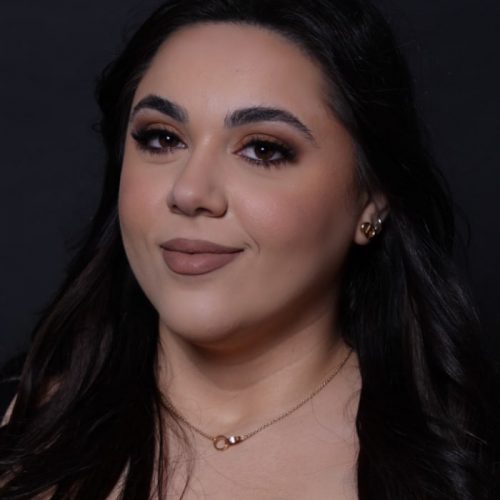
Marriage and Family Therapist Associate, MA
Medically reviewed by Verta Keshishyan, AMFT (Associate Marriage and Family Therapist), registered with the California Board of Behavioral Sciences and supervised by Ari Labowitz, LMFT. Verta has three years of experience with the Department of Mental Health supporting low-income families and families in crisis.
We specialize in treatments for mental health issues and co-occurring disorders.
We concentrate on mental health treatments and co-occurring conditions.
We provide a personalized approach to care.
We possess many years of relevant experience and a strong track record of success.
Every group is led by a master’s-level therapist.
Our partial hospitalization and intensive outpatient programs provide choices for morning, afternoon, or evening sessions.
We offer case management grounded in clinical evidence.
Experience a secure setting that allows you to concentrate on healing and maintaining a healthy way of life.
We provide opportunities to engage with individuals at every phase of recovery.
We accept most commercial PPO plans with out-of-network benefits. Coverage and costs vary by plan, and we verify your benefits before treatment.
Completing the outpatient program does not end your connection to support. Clients are encouraged to stay part of the Quest recovery network, and graduates often mentor newer clients, which creates a cycle of support that strengthens the whole community. Staying connected gives clients shared recovery experiences with peers, lasting support networks after treatment, and alumni connections that sustain motivation long after the program ends. This ongoing engagement is part of why OP works as a final step: it builds the kind of community that keeps recovery going without weekly clinical hours.
Verify Insurance
Fast • Secure • Confidential
Speak with our team today
We accept most commercial PPO plans with out-of-network benefits. Coverage and costs vary by plan, and we verify your benefits before treatment.