Verify Insurance
Fast • Secure • Confidential
Speak with our team today
Opioid addiction treatment at Quest Wellness Center is structured outpatient care for opioid use disorder, delivered through partial hospitalization, intensive outpatient, and outpatient programs. We combine medication-assisted treatment, the standard of care for opioids, with behavioral therapy and dual-diagnosis support, and coordinate detox with a partner when needed. Care is available in person or online. We accept most commercial PPO plans with out-of-network benefits.
Opioid addiction, clinically called opioid use disorder, is a chronic medical condition in which the brain becomes dependent on opioids and continued use feels necessary to function and avoid withdrawal. Opioids include prescription painkillers like oxycodone, hydrocodone, and morphine, as well as illicit drugs like heroin and fentanyl. They work by binding to opioid receptors in the brain, relieving pain and producing a surge of relief or euphoria, and with repeated use the brain adapts so that more is needed to feel normal. Fentanyl has made this far more dangerous, because it is far stronger than heroin and is now mixed into much of the illicit supply, which drives the overdose crisis. Opioid use disorder is a recognized medical condition, not a moral failure, and it is one of the most treatable forms of addiction when the right combination of medication and therapy is used.
Opioid addiction shows up in behavior, physical health, and the cycle of use and withdrawal. Common signs include taking opioids in larger amounts or longer than intended, strong cravings, and continued use despite clear harm to health, work, or relationships. Physical dependence is central: when opioids wear off, withdrawal sets in with symptoms like muscle aches, sweating, nausea, diarrhea, restlessness, anxiety, and intense craving, and avoiding that withdrawal often drives continued use. Other signs include running out of prescriptions early, seeking opioids from multiple sources, drowsiness alternating with agitation, withdrawing from people, and financial or legal problems. Tolerance climbs over time, which raises the dose needed and, with it, the risk of overdose. When opioid use is controlled by cravings and the fear of withdrawal, it has become a disorder that responds to treatment.
Medication-assisted treatment, also called medication for opioid use disorder, is the standard of care for opioid addiction and the single most effective approach for preventing relapse and overdose. It pairs FDA-approved medication with counseling and behavioral therapy, which is why it is called medication-assisted rather than medication-only. Three medications are FDA-approved for opioid use disorder. Buprenorphine, often combined with naloxone as Suboxone, is a partial opioid agonist that reduces cravings and withdrawal without the same high, and it can be prescribed in office-based outpatient settings. Naltrexone, available as the monthly injection Vivitrol, is an opioid blocker that prevents opioids from working and is started after a person is fully withdrawn. Methadone is a full agonist that is effective but, by federal rule, is dispensed only through licensed opioid treatment programs rather than general outpatient clinics. Quest integrates medication-assisted treatment into structured outpatient care, pairing the right medication with therapy, and coordinates with a licensed opioid treatment program when methadone is the appropriate option.
Opioid withdrawal is rarely life-threatening on its own, but it is intensely uncomfortable and a major reason people relapse without support. Withdrawal typically begins within hours to a day after the last dose, peaks over the first few days, and eases over about a week, with symptoms like muscle and bone aches, sweating, chills, nausea, vomiting, diarrhea, agitation, insomnia, and powerful cravings. The danger is less the withdrawal itself and more what follows: relapse during or right after withdrawal carries a high overdose risk because tolerance has dropped. This is exactly why medication-assisted treatment matters, since buprenorphine and methadone ease withdrawal and stabilize the person rather than forcing them through it unmedicated. Quest is an outpatient provider and does not offer inpatient detox; when someone needs medically supervised withdrawal first, we coordinate detox with a trusted partner and bring them into medication-assisted outpatient care from there, so the transition does not become the moment of highest risk.
Quest treats opioid addiction through a structured outpatient continuum that combines medication with therapy and matches intensity to need. Partial Hospitalization (PHP) is the most intensive level, with several hours of treatment on most weekdays, suited to people who need daily structure while stabilizing on medication. Intensive Outpatient (IOP) steps down with fewer weekly hours while keeping strong clinical support and medication management. Outpatient (OP) is the lightest level, for maintaining recovery and continuing medication over the longer term, since opioid use disorder often needs sustained medication support. Across every level, medication-assisted treatment is paired with the behavioral work that addresses why use started and how to stay in recovery. This combination, delivered with frequent contact and accountability, is what makes the difference for opioids, and most clients step down through the levels as they stabilize. Every level is available in person or through secure telehealth.
Treatment for opioids at Quest combines medication with the behavioral therapies that keep people in recovery. Cognitive Behavioral Therapy (CBT) helps you recognize triggers and high-risk situations and build coping skills to handle them without opioids. Contingency management reinforces drug-free results and supports staying engaged in treatment. Motivational Interviewing strengthens your own reasons for change, which matters when ambivalence is common early on. Group therapy and peer support reduce isolation and connect people who understand the specific pull of opioids. Relapse-prevention planning maps your personal triggers, the role of medication, and a clear response for cravings. Family education helps the people around you understand opioid use disorder and medication-assisted treatment, which strengthens recovery at home. Most clients receive a combination across individual and group sessions, integrated with their medication plan.
Quest’s opioid treatment is built for adults with opioid use disorder who do not need round-the-clock hospitalization and can benefit from outpatient medication-assisted treatment. You can keep up with work, school, or family while attending a structured program and continuing medication, and you return home at the end of each treatment day. People typically start here after dependence has taken hold, when withdrawal and cravings keep pulling them back, when they want medication-assisted treatment paired with real therapy, or when opioid use is tangled up with pain, depression, or anxiety. The right level, from PHP down to outpatient, is set during an assessment. If someone needs medically supervised detox or a higher level of care first, our team coordinates that with a partner and continues medication-assisted outpatient treatment from there.
Opioid overdose is a life-threatening emergency, and knowing the signs and having naloxone available saves lives. An overdose slows or stops breathing, and signs include pinpoint pupils, blue or gray lips and fingertips, limpness, gurgling or no breathing, and being unresponsive. If you suspect an overdose, call 911 immediately and give naloxone if you have it. Naloxone, sold as Narcan, is a medication that rapidly reverses an opioid overdose, is available without a prescription at pharmacies in most states, and is safe to use even if you are unsure opioids are involved. The risk is highest after any break in use, including after detox or a period of abstinence, because tolerance drops quickly while the urge to use the old amount remains. Quest’s treatment includes overdose-prevention education and naloxone guidance as part of opioid care, because keeping you alive comes before everything else.
Quest Wellness Center accepts most commercial PPO plans with out-of-network benefits, and we verify your coverage before treatment begins. What you pay depends on your plan, deductible, and coinsurance. Call (818) 275-9810 or verify your insurance to get exact numbers for your plan.
Verify Insurance
Fast • Secure • Confidential
Opioid addiction often occurs alongside other conditions, so Quest treats it as part of the whole picture. Depression, anxiety, PTSD, and chronic pain frequently accompany opioid use, and untreated, each one pulls a person back toward use. Many people first encountered opioids through legitimate pain treatment, which makes coordinated care for pain and mental health especially important. As a dual-diagnosis provider, Quest treats opioid use disorder alongside any co-occurring mental health condition in one coordinated plan, with a psychiatrist managing medication for both sides where appropriate. Treating the opioid use while ignoring the depression, trauma, or anxiety underneath it is a common reason recovery does not hold, which is why integrated care is central to how Quest works.
The most effective and common treatment is medication-assisted treatment, which pairs an FDA-approved medication like buprenorphine (Suboxone) or naltrexone (Vivitrol) with counseling and therapy. Quest delivers this through structured outpatient care and coordinates methadone with a licensed program when appropriate.
Three medications are FDA-approved: buprenorphine (often as Suboxone), naltrexone (including the monthly Vivitrol injection), and methadone. Buprenorphine and naltrexone are used in outpatient settings; methadone is dispensed only through licensed opioid treatment programs. Quest pairs medication with therapy and coordinates the right option for you.
Neither is universally better; the right choice depends on your stage of recovery. Suboxone reduces cravings and withdrawal and can be started sooner, while Vivitrol blocks opioids entirely but is started only after full withdrawal. Quest’s prescriber helps you choose based on your history and preferences.
Opioid withdrawal usually begins within hours to a day of the last dose, peaks over the first few days, and eases over about a week. Symptoms are intensely uncomfortable but rarely life-threatening. Medication-assisted treatment eases withdrawal and lowers the relapse and overdose risk that follow it.
Not always. Medication-assisted treatment with buprenorphine can often begin without a separate detox, easing withdrawal directly. When medically supervised detox is needed first, Quest coordinates it with a partner and continues outpatient medication-assisted treatment afterward.
Naloxone, sold as Narcan, rapidly reverses an opioid overdose and is available without a prescription in most states. Anyone using opioids or close to someone who does should keep it on hand, especially after any break in use when overdose risk is highest. Quest provides overdose-prevention guidance.
Yes. Quest is a dual-diagnosis provider and treats opioid use disorder alongside depression, anxiety, PTSD, and chronic pain in one coordinated plan, with a psychiatrist managing medication for both where appropriate.
Quest provides opioid addiction treatment in person at our facility and through secure telehealth across California, so you can attend on site or from home. Call (818) 275-9810 to get started.
Call (818) 275-9810 or verify your insurance to start opioid addiction treatment at Quest Wellness Center.
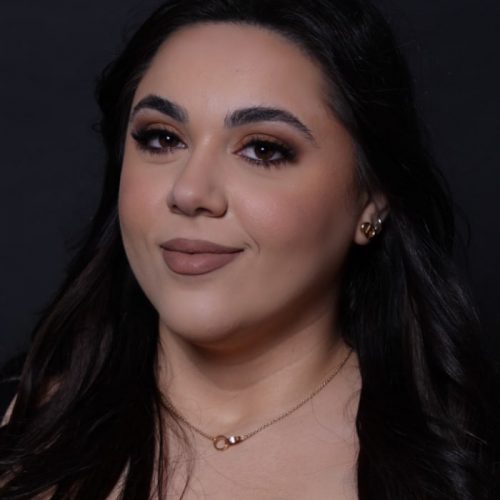
Marriage and Family Therapist Associate, MA
Medically reviewed by Verta Keshishyan, AMFT (Associate Marriage and Family Therapist), registered with the California Board of Behavioral Sciences and supervised by Ari Labowitz, LMFT. Verta has three years of experience with the Department of Mental Health supporting low-income families and families in crisis.
We specialize in treatments for mental health issues and co-occurring disorders.
We concentrate on mental health treatments and co-occurring conditions.
We provide a personalized approach to care.
We possess many years of relevant experience and a strong track record of success.
Every group is led by a master’s-level therapist.
Our partial hospitalization and intensive outpatient programs provide choices for morning, afternoon, or evening sessions.
We offer case management grounded in clinical evidence.
Experience a secure setting that allows you to concentrate on healing and maintaining a healthy way of life.
We provide opportunities to engage with individuals at every phase of recovery.
We accept most commercial PPO plans with out-of-network benefits. Coverage and costs vary by plan, and we verify your benefits before treatment.
The three medication options work differently, and the right choice is made together with the prescriber based on where you are in recovery. Buprenorphine and naloxone (Suboxone) is a daily film or tablet that reduces cravings and withdrawal, works for the broadest range of people, and can be started while some opioids are still in the system. Extended-release naltrexone (Vivitrol) is a monthly injection that blocks opioid effects entirely, which suits people who are already past withdrawal and prefer not to take a daily medication. Oral naltrexone is a daily pill version of the same blocker, for people with strong daily adherence who prefer a non-injectable option. All are non-addictive in the way opioids are, all are paired with therapy, and the decision depends on your history, your stage of recovery, and your preferences.
Verify Insurance
Fast • Secure • Confidential
Speak with our team today
We accept most commercial PPO plans with out-of-network benefits. Coverage and costs vary by plan, and we verify your benefits before treatment.