
Verify Insurance
Fast • Secure • Confidential
Speak with our team today
For Pasadena, Quest Wellness Center provides dual diagnosis care chiefly by secure statewide video, backed by a Joint Commission accredited North Hollywood site for anyone wanting the room. The program treats a mental health condition and a co-occurring substance use disorder in one plan, across morning, afternoon, and evening tracks through PHP, IOP, and outpatient care.
Pasadena is one of the farther eastern communities served from Quest’s North Hollywood facility, and that distance changes the default. The facility is in North Hollywood, roughly a half hour west on the SR-134 when the road is clear and longer when it is not, which is often enough that telehealth becomes the sensible primary route rather than the backup. The full program runs by secure video across California, so a Pasadena client gets the same groups, the same psychiatrist, and the same plan without giving up an hour a day to the 134. In-person is there for anyone who wants the room, and some choose it, but for most of Pasadena the virtual track is the one that makes intensive treatment fit a real week.
There is also a practical Pasadena wrinkle: many residents already hold care relationships at the hospital systems and group practices clustered around Lake and Fair Oaks. Quest works alongside those, taking the co-occurring treatment itself while a client keeps their existing primary care or specialty relationships in place.
Pasadena is not short on clinical care; it may be one of the densest treatment markets in the region, thick with hospitals, private practices, and outpatient programs. That abundance can make choosing harder rather than easier, because more options is not the same as the right fit. What Quest offers into that crowded field is a specific thing: fully outpatient, psychiatrist-led, and integrated, with the mental health condition and the substance use handled by one team rather than referred between separate offices. For a Pasadena resident who has the luxury of choice, the question worth asking any program is whether both halves of the diagnosis are actually treated in the same place.
Stripped to its definition, a dual diagnosis is the presence of two conditions at once, a mental health condition and a substance use disorder, wired together so each drives the other. The psychiatric half is commonly depression, anxiety, PTSD, bipolar disorder, or ADHD, and the other half is a substance, whether alcohol or a drug. What makes it its own category is the loop, the way progress on one side slips whenever the other is left alone. Treating them together on one plan is the response that actually holds, and that is how Quest is built.
The psychiatrist directing medication at Quest works from inside the treatment team, not from a separate office that never hears about the substance use, and in a dual diagnosis that arrangement is a safeguard. A prescriber blind to the addiction can choose a medication that undoes the recovery work; a prescriber who can see it does not. When the driver underneath the use is depression, anxiety, bipolar disorder, ADHD, or a sleep problem, medication can lower those symptoms enough for treatment to gain a foothold, and any medication approved for the addiction itself is folded into the same plan. Medication is always carried alongside therapy, never instead of it.
Method follows diagnosis at Quest rather than the other way around. In Cognitive Behavioral Therapy the recurring thoughts behind both the symptoms and the use are reworked; Dialectical Behavior Therapy develops the means to endure a hard feeling without a substance; Motivational Interviewing proceeds from where a person truly stands. Trauma underneath the use is met with EMDR and trauma-focused care. The week is built mostly around topic-based groups, while individual sessions cover more private concerns. ACT, SFBT, psychodynamic therapy, and coordinated TMS care through Breakthrough TMS may be included when appropriate. Every group at Quest is led by a master’s-level therapist, supervised by licensed clinicians.
Quest runs three outpatient levels, and where a client from Pasadena starts depends on how much the two conditions are disrupting daily life.
PHP | IOP | OP | |
Weekly load | Several hours, most weekdays | Fewer hours across the week | Lightest, spaced sessions |
Fits | Needing daily structure to stabilize | Holding a job through treatment | Maintaining gains |
Tracks | Daytime | Morning, afternoon, evening | Flexible |
Format | In-person or telehealth | In-person or telehealth | In-person or telehealth |
Partial Hospitalization is the most intensive, for people who need daily structure to steady both conditions. The intensive outpatient program for Pasadena residents steps down to fewer weekly hours across the three tracks, all available by video. Outpatient maintains progress once things settle. The same team carries you across all three, and most clients step down through them as they stabilize.
Weekly therapy may no longer be enough when the same problems keep resurfacing between sessions. If relief lasts only while using, appointments keep getting missed, or someone close has started raising concerns, a more structured level of care may be needed. A multi-day program, virtual or in person, can provide that added support. The intake assessment determines the right level of care, confidentially and at no cost.
Quest Wellness Center accepts most commercial PPO plans with out-of-network benefits, and we verify your coverage before treatment begins. Use the Verify Insurance module on this page and we will confirm your benefits, usually within about fifteen minutes.
The facility is at 10736 Burbank Blvd, North Hollywood, CA 91601, about a half hour west of Pasadena on the SR-134, though most Pasadena clients attend by telehealth rather than making that drive daily; the Get Directions link below opens the route for anyone who wants the room. For the broader regional program, see dual diagnosis treatment in Los Angeles. Quest also serves clients through dual diagnosis care in the Hollywood Hills and dual diagnosis treatment in West Hollywood. If medical stabilization is needed first, it comes before this level of care: Quest does not run inpatient detox, so the team coordinates it with Quest 2 Recovery, our own program, and brings you into integrated care afterward.
Quest Wellness Center serves Pasadena mainly by secure California telehealth, so you attend from home, with in-person care at 10736 Burbank Blvd, North Hollywood, CA 91601 about a half hour west on the 134. Either way it is the same psychiatrist-led, integrated program.
Quest is fully outpatient, psychiatrist-led, and integrated, treating the mental health condition and the substance use with one team on a single plan rather than referring between separate offices. That integration is the deciding factor for co-occurring care.
For many appropriate outpatient clients, telehealth can provide the same core services, including group therapy, psychiatric care, and treatment planning, without the commute. Whether telehealth or in-person care is the better fit depends on individual clinical needs.
Yes. Treatment is confidential and protected by law, and because Pasadena clients attend mostly by secure private video, there is no waiting room and no visible visits at all. What you share shapes your plan and stays private.
Most commercial PPO plans with out-of-network benefits are accepted, and Pasadena’s virtual and in-person sessions bill the same way, with coverage verified first. The Verify Insurance module on this page checks your plan.
Yes. A board-certified psychiatrist manages medication as part of the same integrated treatment plan for Pasadena clients, whether you attend by telehealth or travel west on the 134 to the North Hollywood facility. Medication for depression, anxiety, bipolar disorder, ADHD, sleep concerns, or other co-occurring symptoms is coordinated with substance use treatment and provided alongside therapy.
Treatment for Pasadena starts on a screen, not a freeway. Call (818) 275-9810 or run your insurance through the form above, and the first assessment can happen by video this week.
Verify Insurance
Fast • Secure • Confidential
Speak with our team today

MD, Board-Certified Psychiatrist
Marriage and Family Therapist Associate, MA
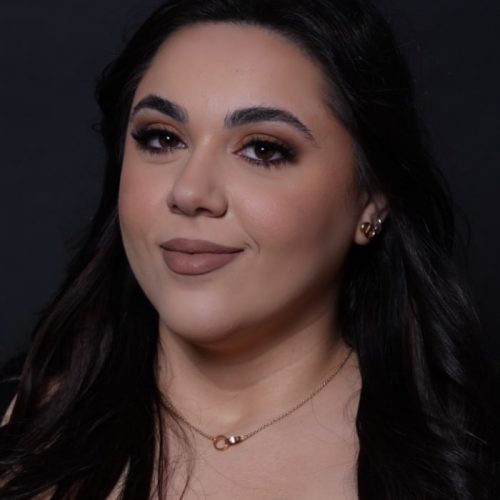
Medically reviewed by Dr. Neda Javaherian, MD, Board-Certified Psychiatrist, and Verta Keshishyan, AMFT (Associate Marriage and Family Therapist), registered with the California Board of Behavioral Sciences and supervised by Ari Labowitz, LMFT. Verta has three years of experience with the Department of Mental Health supporting low-income families and families in crisis.
We specialize in treatments for mental health issues and co-occurring disorders.
We concentrate on mental health treatments and co-occurring conditions.
We provide a personalized approach to care.
We possess many years of relevant experience and a strong track record of success.
Every group is led by a master’s-level therapist.
Our partial hospitalization and intensive outpatient programs provide choices for morning, afternoon, or evening sessions.
We offer case management grounded in clinical evidence.
Experience a secure setting that allows you to concentrate on healing and maintaining a healthy way of life.
We provide opportunities to engage with individuals at every phase of recovery.
We accept most commercial PPO plans with out-of-network benefits. Coverage and costs vary by plan, and we verify your benefits before treatment.
We accept most commercial PPO plans with out-of-network benefits. Coverage and costs vary by plan, and we verify your benefits before treatment.