






The five goals of addiction treatment work together to support your complete recovery: achieving abstinence or controlled use that fits your situation, restoring your physical and mental health through medical care and nutrition, developing coping skills to prevent relapse, repairing the relationships that substance use has damaged, and establishing stable housing and life structure. Each goal addresses a critical aspect of recovery, from immediate substance control to long-term wellness. Understanding how these goals interconnect can help you navigate your unique path forward.
Achieving and Maintaining Abstinence From Substances
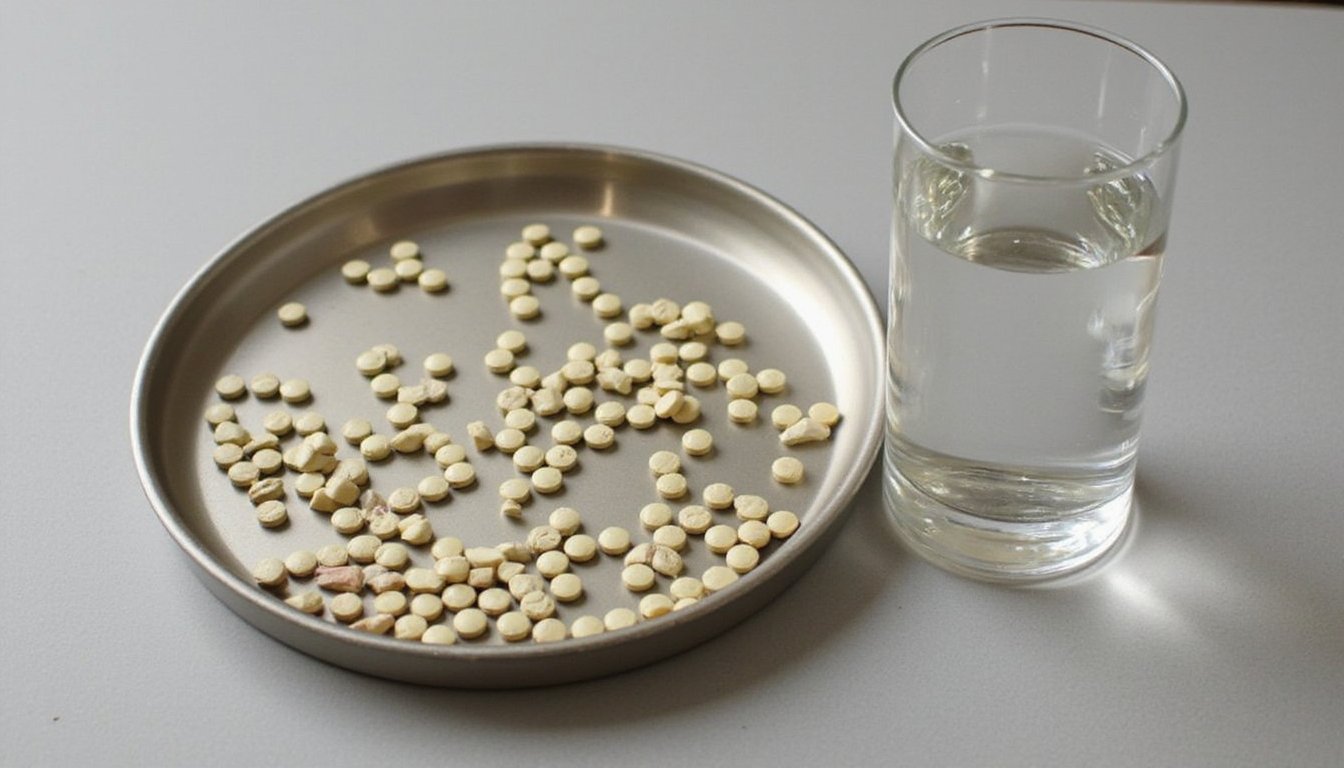
While abstinence remains a cornerstone goal in addiction treatment, your path to recovery doesn’t have to follow a single prescribed route. Research shows that about 25% of people seeking treatment endorse nonabstinence goals, and acceptance of non-abstinence goals is growing within evidence-based practice. Studies indicate abstinence typically produces the greatest reductions in substance use, particularly for those with severe addiction. However, therapeutic approaches for non-abstinence can effectively engage people who might otherwise avoid treatment entirely. Your treatment goals may evolve over time, most people shift toward abstinence as treatment progresses. What matters most is finding an approach that keeps you engaged in recovery. If you’re struggling with severe symptoms, abstinence-focused treatment often yields better long-term outcomes, including improved quality of life and recovery stability. Reduced substance use has demonstrated public health benefits, including decreased overdoses and lower rates of disease transmission. The historical dominance of 12-step abstinence-focused models has shaped mainstream treatment approaches, though research continues to expand evidence for alternative pathways to recovery.
Restoring Physical and Mental Health
Beyond establishing your relationship with substances, recovery requires addressing the tangible ways addiction has affected your body and mind. Addressing co-occurring medical issues becomes essential, as substance use often damages critical organs, weakens your immune system, and worsens chronic conditions like heart disease or liver damage. Medical supervision helps manage withdrawal symptoms and monitors your physical health throughout recovery.
Promoting nutritional rehabilitation supports your body’s healing process. A balanced diet rich in whole foods restores energy, repairs damaged tissues, and stabilizes your mood by supporting neurotransmitter production. Regular exercise reduces cravings through endorphin release while rebuilding your strength and routine. Physical wellness practices provide a healthy outlet for stress and anxiety, decreasing the likelihood of relapse.
Mental health treatment tackles co-occurring disorders like depression and anxiety through evidence-based therapies, helping you develop emotional regulation skills. Mindfulness and meditation practices help you focus on the present moment and recognize triggers before they lead to relapse. Effective treatment requires continuous monitoring and adjustments to address your individual needs and ensure the best outcomes for lasting recovery. Together, these elements create a foundation for lasting wellness.
Building Effective Coping Skills and Relapse Prevention Strategies

Your choice of coping strategies matters profoundly. Adaptive approaches, like problem-focused coping and seeking social support, reduce substance use days, while maladaptive patterns such as denial (*p* = 0.005) and self-blame (*p* = 0.012) increase relapse risk. Long-term maintenance of adaptive behaviors requires continuous practice with professional supervision. Through structured training, these skills become second nature, effectively buffering against emotional triggers, interpersonal conflicts, and environmental cues that threaten your recovery. Research demonstrates that coping skills education significantly reduces craving beliefs in individuals recovering from opium addiction (*p* = 0.002), while simultaneously improving awareness of relapse warning signs. Developing a positive mindset through cognitive-behavioral strategies helps transform how you respond to stressors and sustain motivation throughout your recovery journey. However, the effectiveness of coping strategies depends on timing and target, as the same approach may prove beneficial in one context but harmful in another.
Repairing Relationships and Social Functioning
Addiction doesn’t just affect your body and mind, it damages the relationships that form your foundation. Repairing these connections requires consistent honesty and accountability for past harm. You’ll need to practice healthy communication through active listening and “I” statements, which research shows greatly improves trust rebuilding during recovery.
Family involvement matters deeply, studies indicate it increases abstinence likelihood by 60%. Making amends and repairing damaged relationships helps restore emotional intimacy gradually, though you shouldn’t expect immediate results. Support networks, including peers and sponsors, provide essential accountability and reduce feelings of shame.
Treatment must also address codependency and disrupted family roles, particularly since 40-60% of substance use cases involve intimate partner violence. Codependent family members may unintentionally enable addictive behaviors, which is why they should seek their own counseling to develop healthier patterns. Involving loved ones in your recovery process creates lasting benefits that extend well beyond treatment completion. Service providers should increase focus on social relationships, as positive connections with professionals, peers, and family members significantly aid in achieving and maintaining long-term abstinence. Setting clear boundaries reduces relationship stress and helps you maintain sobriety more effectively.
Establishing Stable Living Conditions and Life Structure

Where you live fundamentally shapes your recovery journey. Stable housing provides the foundation for lasting change, reducing homelessness from 16% to just 4% among those entering sober living environments. This stability doesn’t just offer a roof, it creates life structure that supports your healing and growth.
Stable housing isn’t just shelter, it’s the foundation that transforms recovery from surviving to thriving.
Stable housing helps you:
- Increase treatment engagement and completion rates while reducing relapse risk
- Gain 3.59 quality-adjusted life-years through improved health outcomes
- Access opportunities for improving educational and vocational outcomes
- Build capacity for strengthening community engagement and support
When you’re not worried about where you’ll sleep tonight, you can focus on what truly matters: your recovery, relationships, and future goals. Housing stability more than doubles during recovery participation, creating the secure foundation you need to thrive. Research tracking residents over 18 months found that stable housing increased from just 13% at entry to 27% at follow-up, demonstrating meaningful progress in establishing secure living conditions. Stable housing is recognized as one of the four major dimensions essential to recovery from substance use disorders, alongside health, purpose, and community. Recovery housing environments provide peer support that helps build recovery capital across physical, social, human, and cultural domains.
Frequently Asked Questions
How Long Does Addiction Treatment Typically Last for Most People?
Addiction treatment typically lasts 30 to 90 days for most people, though your individualized treatment duration depends on your substance use severity, progress, and personal circumstances. You’ll often start with a 30-day program, then move to outpatient care for 45, 90 days. Insurance usually covers initial treatment, but detailed aftercare planning is essential, many people benefit from extended support lasting six months or longer. Remember, recovery isn’t one-size-fits-all; you’ll need the time that works for your healing journey.
What Happens if Someone Relapses During or After Completing Treatment?
If you relapse during or after treatment, it’s not a failure, it’s often part of the recovery journey. You’ll likely experience feelings of disappointment, but your treatment team can help you adjust your plan and strengthen your support system. Relapse signals a need for continued support, whether through increased counseling, medication adjustments, or extended care. Since 40-60% of people relapse within the first year, you’re not alone, and re-engaging with treatment improves your long-term outcomes.
How Much Does Addiction Treatment Cost and What Insurance Covers It?
Treatment costs vary widely based on your needs, outpatient programs run $1,400, $10,000 monthly, while 30-day inpatient care ranges from $6,000, $30,000. Most insurance plans cover addiction treatment as an essential benefit under the Affordable Care Act, potentially reducing your out-of-pocket costs to $0. Affordability considerations include sliding-scale state programs and various provider payment models. Medicaid, Medicare, and private insurers typically cover detox, counseling, and medication-assisted treatment, though coverage levels differ by plan.
Can Someone Be Forced Into Addiction Treatment Against Their Will?
Yes, you or a loved one can be forced into treatment through court-ordered commitment in nearly 38 states. Laws like Massachusetts’ Section 35 allow courts or family members to mandate treatment when there’s evidence of danger. However, research shows involuntary commitment often produces worse outcomes than voluntary treatment, with higher overdose risks post-release. If you’re considering this option, know that voluntary, evidence-based care with medication support typically yields better long-term recovery results.
What Are the Success Rates for Different Types of Addiction Treatment Programs?
Treatment effectiveness varies greatly by program type and substance. You’ll find medication-assisted treatment (MAT) achieves 30, 50% one-year abstinence for opioid use, while behavioral therapy shows 29, 79% success rates depending on the substance. Program evaluation data reveals that 90+ day programs consistently outperform shorter ones, with completion rates averaging 42% overall. When you combine personalized care with strong aftercare support, your chances of sustained recovery improve tremendously, some programs report 70% nine-month sobriety rates.