






Seven evidence-based medications transform addiction treatment by targeting specific brain pathways: methadone and buprenorphine reduce opioid cravings and withdrawal, naltrexone blocks euphoric effects of opioids and alcohol, disulfiram creates aversive reactions to alcohol, acamprosate restores neurochemical balance during alcohol recovery, varenicline and bupropion enhance smoking cessation success, and benzodiazepines manage dangerous withdrawal symptoms. You’ll find these medications work best when combined with behavioral therapy, addressing both the physical and psychological dimensions of addiction to dramatically improve your long-term recovery outcomes.
Methadone for Opioid Use Disorder

Methadone stands as the most extensively researched medication for opioid use disorder, with decades of clinical evidence demonstrating its capacity to reduce mortality by more than 50% among people with OUD. As a full μ-opioid receptor agonist, it prevents withdrawal symptoms and reduces cravings through once-daily dosing, thanks to its extended half-life of 8, 60 hours.
You’ll receive methadone exclusively through federally-certified Opioid Treatment Programs, which require initial daily supervised dosing and integrated behavioral therapy. Typical maintenance doses range from 80, 120 mg daily. While stigma surrounding medication persists, long term treatment outcomes demonstrate consistent benefits: greater retention rates, decreased illicit opioid use, reduced HIV and hepatitis C transmission, and improved social functioning. Pharmacotherapy should be continued indefinitely as long as it helps the patient, since discontinuation increases the risk of relapse. Careful monitoring addresses potential risks including respiratory depression and cardiac complications.
Buprenorphine as a Partial Opioid Agonist
Buprenorphine functions as a partial agonist at mu-opioid receptors, meaning it activates these receptors with lower efficacy than full agonists like methadone or heroin. This partial agonism creates a ceiling effect, at higher doses, respiratory depression and euphoria plateau rather than increase linearly, substantially reducing overdose risk compared to full opioids. You’ll find this safety profile allows buprenorphine to be prescribed in office-based settings under the Drug Addiction Treatment Act, expanding treatment access beyond specialized opioid treatment programs. Buprenorphine’s slow dissociation from receptors contributes to its prolonged therapeutic effect in managing opioid dependence. Additionally, buprenorphine can inhibit receptor desensitization, a unique property that distinguishes it from other opioid medications and contributes to its therapeutic profile in addiction treatment.
Partial Agonist Mechanism Explained
At the molecular level, partial agonists occupy receptors with high affinity yet trigger only submaximal cellular responses, a property that makes buprenorphine uniquely suited for addiction treatment. Unlike full agonists that maximally activate mu-opioid receptors, buprenorphine’s low intrinsic activity means it reaches receptor activation thresholds sufficient for sustained pain relief and withdrawal suppression without producing intense euphoria.
Key mechanistic features include:
- High-affinity binding with slow dissociation enables displacement of illicit opioids while maintaining prolonged receptor occupancy for once-daily dosing
- Submaximal signaling reduces cyclic AMP and limits calcium influx, decreasing neurotransmitter release enough to prevent withdrawal yet minimize abuse potential
- Kappa-opioid antagonism contributes antidepressant effects while delta-receptor agonism modulates the overall opioid response profile
This balanced pharmacology reduces overdose risk and facilitates safer medication-assisted treatment.
Ceiling Effect Safety Advantage
One of the most important safety features arising from buprenorphine’s partial agonist activity is the ceiling effect, a pharmacological property that fundamentally distinguishes it from full opioid agonists used in pain management and contributes to its favorable risk profile in addiction treatment. At a certain dose threshold (typically 24, 32 mg/day), respiratory depression, euphoria, and sedation plateau rather than escalate. This dramatically enhances overdose risk reduction: unlike full agonists where toxicity increases linearly with dose, buprenorphine’s respiratory depression ceiling means supratherapeutic doses rarely cause fatal outcomes in the absence of co-intoxicants. The ceiling effect also guides patient dosing optimization, since higher doses don’t provide additional therapeutic benefit or craving suppression beyond the plateau, clinicians can confidently maintain patients on evidence-based doses (typically 12, 24 mg/day) without concern that dose escalation will improve outcomes or increase safety risks. The ceiling effect minimizes the utility of taking more medication, which lowers overdose risk and actively deters misuse by removing the incentive for dose escalation. The discovery of this ceiling effect was pivotal in the evolution of addiction treatment, enabling clinicians to provide medication-assisted treatment with substantially reduced risks compared to earlier therapeutic approaches.
Office-Based Prescription Access
The passage of the Drug Addiction Treatment Act of 2000 fundamentally transformed opioid use disorder treatment in the United States by permitting qualified physicians to prescribe buprenorphine in office-based settings, liberating evidence-based pharmacotherapy from the confines of highly regulated opioid treatment programs. This legislative shift enabled primary care and outpatient providers to address patient eligibility criteria directly, substantially expanding treatment capacity. By 2020, more than 70,000 U.S. providers held waivers to prescribe, demonstrating widespread adoption.
Office-based access offers distinct advantages:
- Reduced stigma compared to facility-based methadone programs
- Enhanced geographic reach serving rural and underserved populations
- Flexible prescription requirements supporting individualized dosing schedules
This model integrates pharmacotherapy into routine healthcare, normalizing opioid use disorder management while maintaining clinical oversight through structured monitoring protocols.
Naltrexone for Blocking Opioid and Alcohol Effects
Naltrexone operates as a pure opioid antagonist that binds to mu-opioid receptors, blocking the euphoric and rewarding effects of both opioids and alcohol while reducing dopamine-driven cravings. You’ll find it available as daily oral tablets or as an extended-release monthly injection (Vivitrol), with the latter offering improved adherence and steady therapeutic levels without the burden of daily dosing. Before starting naltrexone, you must be fully detoxified from opioids for 7-10 days to prevent precipitated withdrawal, making proper timing and assessment essential for safe initiation. The medication undergoes significant first-pass metabolism in the liver, being converted to 6-beta-naltrexol and other metabolites that contribute to its therapeutic effects. At the standard clinical dose of 50mg daily, naltrexone occupies approximately 90-95% of brain mu-opioid receptors, providing sustained blockade that lasts 48 to 72 hours after each dose. The medication works best as part of a comprehensive treatment plan that includes counseling and behavioral therapy, addressing both the neurochemical and psychological aspects of addiction recovery.
How Naltrexone Works Mechanistically
As a competitive antagonist at mu-opioid receptors, naltrexone blocks the binding sites that opioids normally occupy in your central nervous system, fundamentally preventing the cascade of effects these substances produce. This reversible blockade eliminates opioid-induced euphoria and analgesia while precipitating withdrawal in dependent individuals.
Beyond primary receptor antagonism, naltrexone produces hypothalamic pituitary adrenal axis modulation, increasing β-endorphin and cortisol levels. For alcohol dependence, it reduces dopamine release in reward pathways, attenuating euphoric effects and alcohol cravings, cutting heavy drinking days by up to 50% in clinical populations.
Additional mechanisms include:
- Toll-like receptor 4 antagonism with neuroimmune effects investigation in research settings
- Opioid growth factor receptor binding at standard clinical doses
- Dampened physiological cues (heart rate, blood pressure) associated with substance cravings
Extended-Release Injectable Formulation Benefits
While oral naltrexone requires daily adherence, a challenge for many individuals managing addiction, extended-release injectable naltrexone (XR-NTX) delivers continuous medication for approximately 28 days from a single intramuscular administration. This simplified administration logistics guarantees missed doses are avoided and maintains stable therapeutic blood levels, enhancing clinical effectiveness.
| XR-NTX Benefit | Clinical Impact |
|---|---|
| Reduces heavy drinking days | 25% decrease in event rate vs. placebo |
| Continuous opioid receptor blockade | Prevents euphoric effects for full month |
| Once-monthly dosing | Enhanced patient engagement with fewer clinic visits |
| No diversion risk | Injectable secures medication delivery as prescribed |
XR-NTX reduces heavy drinking by 1, 2 days monthly and prolongs abstinence when initiated after 4+ days alcohol-free. The formulation supports integration with psychosocial interventions while demonstrating tolerability comparable to oral naltrexone. XR-naltrexone works by blocking opioid receptors, reducing cravings and preventing the euphoric effects that typically occur with opioid use. Patients should discuss with their healthcare provider the potential risks and benefits before starting treatment with extended-release naltrexone.
Initiation Requirements and Timing
Successfully implementing naltrexone therapy depends on precise timing and meticulous patient preparation before the first dose. You’ll need to verify complete opioid detoxification, patients must be off short-acting opioids for 5, 7 days and long-acting opioids for 7, 10 days to prevent precipitated withdrawal. For alcohol use disorder, you should wait until acute withdrawal symptoms have subsided, typically 3, 7 days of abstinence.
Initiation requirements checklists include:
- Laboratory confirmation: Negative urine toxicology, baseline liver function tests (transaminases <5x normal), and pregnancy testing for women of childbearing age
- Clinical stability assessment: Medical evaluation confirming withdrawal resolution and psychiatric clearance when indicated
- Informed consent: Thorough discussion of risks, benefits, and treatment expectations
Rapid induction protocols using alpha-2 agonists like clonidine can shorten waiting periods while managing withdrawal symptoms, enabling earlier naltrexone initiation under close medical supervision.
Disulfiram for Alcohol Use Disorder
Disulfiram represents one of the earliest pharmacological interventions for alcohol use disorder, operating through a unique deterrent mechanism rather than craving reduction. By inhibiting aldehyde dehydrogenase, it causes acetaldehyde accumulation when you consume alcohol, triggering severe reactions, flushing, nausea, vomiting, palpitations, and potentially cardiovascular collapse. This aversive response aims to discourage drinking through negative conditioning.
You’ll find disulfiram most effective when highly motivated for abstinence and able to understand its risks. However, low compliance rates considerably limit its effectiveness, making supervised administration requirements critical for ideal outcomes. Your healthcare provider must guarantee complete alcohol clearance before initiation and monitor liver function throughout treatment. Effects persist up to two weeks post-discontinuation. While FDA-approved as a second-line option after naltrexone and acamprosate, disulfiram remains valuable for appropriately selected patients committed to abstinence-based recovery. The medication also inhibits dopamine β-hydroxylase, which may explain its potential therapeutic benefits in treating cocaine dependence and certain psychotic symptoms.
Acamprosate for Maintaining Alcohol Abstinence

Acamprosate offers a neurochemically targeted approach to maintaining alcohol abstinence by addressing the persistent brain changes that follow chronic alcohol use. Through NMDA receptor modulation and interaction with glutamate and GABA systems, it facilitates neurochemical balance restoration, reducing protracted withdrawal symptoms like anxiety and insomnia. You’ll find it’s non-addictive and doesn’t produce aversive reactions if you consume alcohol. The medication demonstrates relatively low bioavailability at approximately 11%, which can be further reduced by food intake, though this doesn’t significantly compromise its clinical effectiveness.
Key clinical advantages include:
- Doubling abstinence rates, achieving 27% versus 13% with placebo at one year
- Post treatment relapse prevention, reducing relapse risk by 9% for up to a year after discontinuation
- Safety in liver impairment, kidney elimination without hepatic metabolism makes it suitable when liver function’s compromised
It’s most effective when combined with psychosocial support and initiated after detoxification completes. The medication shows good overall tolerability, with only 10-17% of patients experiencing dose-related and transient diarrhea as the most common side effect.
Nicotine Replacement Therapies and Smoking Cessation Medications
Tobacco dependence affects approximately 40 million adults in the United States, making smoking cessation one of the most impactful clinical interventions you can pursue. Five FDA-approved nicotine replacement therapies deliver controlled nicotine without harmful smoke toxins: patches provide long-acting coverage, while gum, lozenges, nasal spray, and inhalers offer short-acting relief. Combination therapy effectiveness proves superior, pairing patches with fast-acting forms increases quit rates by 50, 70% compared to placebo. Extended NRT usage benefits emerge when treatment exceeds 12 weeks, supporting sustained abstinence. Studies show using NRT can almost double the chances of quitting smoking. NRT works best when paired with behavioral counseling interventions, which address the psychological aspects of nicotine addiction. Varenicline remains the most effective FDA-approved option, with users 2.2 times more likely to maintain abstinence than placebo recipients. Bupropion offers an alternative, increasing quit likelihood by 64%. Behavioral counseling alongside pharmacotherapy maximizes success rates. Without treatment support, only 1 in 20 people who attempt to quit achieve abstinence lasting at least six months.
Benzodiazepines for Safe Detoxification
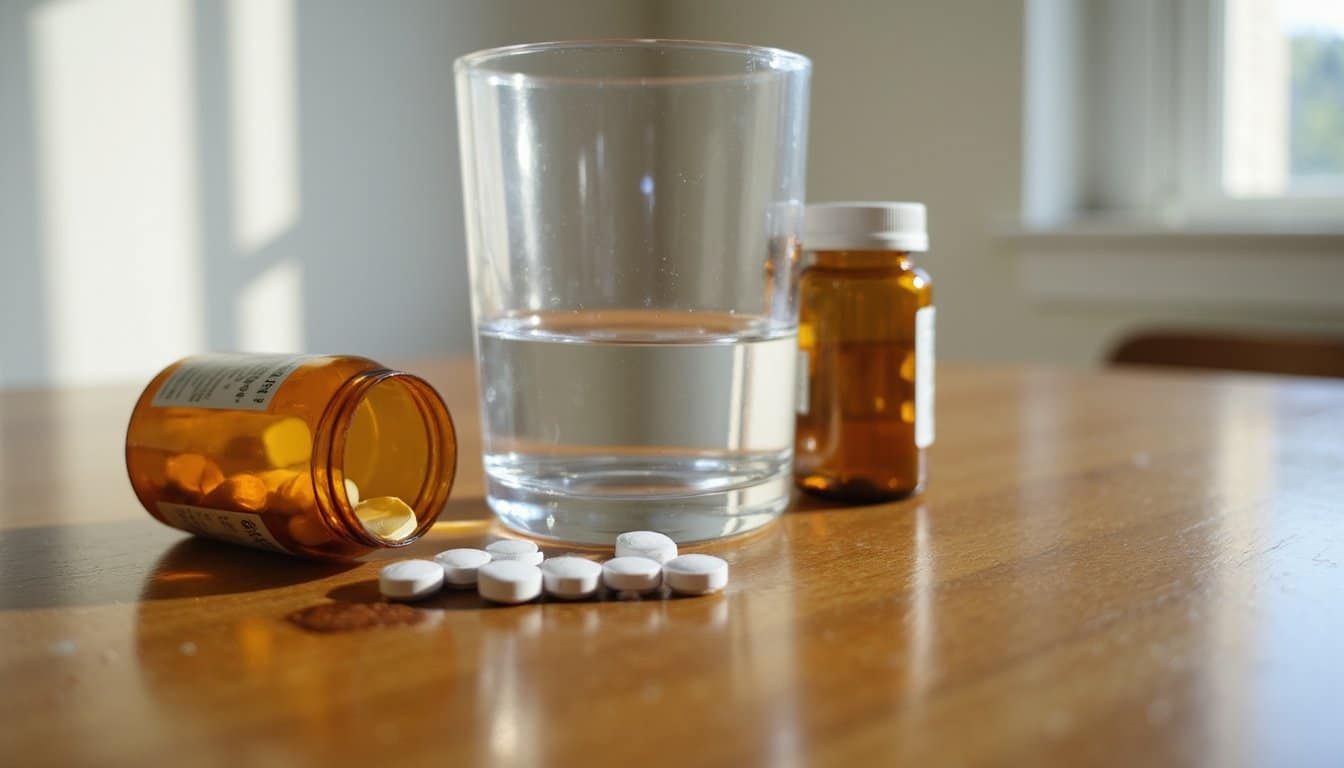
How can clinicians safely manage benzodiazepine discontinuation when 5.2% of American adults used these medications in the past year, with many facing physical dependence? Medical supervision remains essential due to serious withdrawal risks, including seizures and psychological distress.
Evidence-Based Detoxification Approaches:
- Gradual tapering protocols minimize acute withdrawal severity by systematically reducing dosages over weeks to months, customized to benzodiazepine type and dependency duration
- Flumazenil assisted detox demonstrates efficacy for high-dose cases through continuous subcutaneous infusion, directly counteracting GABA-A receptor dependence
- Inpatient detox protocols provide 24/7 monitoring, adjunct medications for symptomatic relief, and multidisciplinary interventions addressing both physical manifestations (tremors, nausea) and psychological complications (anxiety, panic attacks)
Comprehensive aftercare, including behavioral therapies and relapse prevention, supports sustained recovery beyond initial detoxification.
Frequently Asked Questions
Can These Medications Be Used Together or Do They Interact?
Many addiction medications can be safely combined, but you’ll need to watch for medication interactions. Acamprosate and naltrexone have minimal interaction risks, while methadone or buprenorphine combined with certain SSRIs may require dosage adjustments due to enzyme inhibition. You should avoid mixing opioid antagonists with opioid agonists, as this triggers withdrawal. Benzodiazepines with methadone increase respiratory depression risk. Your provider will monitor you closely and adjust medications to prevent harmful interactions while maximizing treatment effectiveness.
How Long Does Medication-Assisted Treatment Typically Last for Addiction Recovery?
The duration of medication treatment for addiction varies extensively, ranging from months to years, with no fixed timeline. You’ll work with your provider to determine what’s best for your recovery. Long-term medication effectiveness is well-established, with many people benefiting from extended or indefinite treatment to prevent relapse. Retention rates after 12 months range from 37% to 91%, and staying in treatment longer dramatically improves your chances of sustained recovery and overall health.
Are These Addiction Medications Covered by Insurance or Medicaid?
Yes, addiction medications are typically covered by insurance and Medicaid. You’ll find that Medicaid covers FDA-approved medications like buprenorphine, methadone, and naltrexone, while also paying for counseling and support services. Treatment program coverage extends through Medicare Part B and all ACA Marketplace plans, which must include substance use disorder medications as essential benefits. However, medication affordability varies depending on your plan’s formulary tier, prior authorization requirements, and cost-sharing structure.
Can Pregnant Women Safely Use These Medications for Addiction Treatment?
Yes, methadone and buprenorphine are first-line, safe options during pregnancy with no increased fetal development risks or birth defects. You’ll likely need dose adjustments as your metabolism changes. Breastfeeding safety considerations are favorable; nursing while on these medications is safe and may reduce neonatal withdrawal symptoms. Untreated addiction poses greater risks including preterm labor and growth restriction. Your multidisciplinary care team will monitor both you and your baby closely throughout treatment and delivery.
What Happens if Someone Relapses While Taking These Medications?
If you relapse while on medication, you’re at serious risk for overdose since your tolerance has likely decreased. The medication may block some drug effects, potentially leading you to use dangerous amounts seeking a high. Relapse doesn’t mean treatment failure, it’s common and signals a need to reassess your care plan. Your provider should address withdrawal symptoms and relapse triggers, adjust medications if needed, and guarantee you have naloxone available for emergencies.