




A typical morning IOP session lasts about three hours and follows a predictable structure that helps reduce anxiety while building your recovery skills. You’ll start with a check-in to share challenges and set daily goals, then move into evidence-based group therapy led by trained clinicians. Skills training gives you hands-on practice with coping strategies, and built-in breaks let you recharge and connect with peers. Understanding each component can help you feel prepared and confident.
What Does a Typical Morning IOP Session Look Like?

When you’re starting an Intensive Outpatient Program, knowing what to expect from your morning sessions can ease much of the uncertainty you might feel. A morning IOP session typically begins with a check-in period, allowing you to arrive and settle before diving into therapeutic work. This time often includes reflecting on progress or triggers you’ve experienced since your last session.
Your mental health IOP routine includes structured therapy sessions led by licensed therapists, where you’ll explore thoughts, feelings, and experiences alongside peers. These group discussions form the foundation of your treatment, lasting 60 to 90 minutes. Programs often incorporate cognitive-behavioral therapy (CBT), which has proven effective for reducing anxiety and depression symptoms.
Following group therapy, you’ll have time to recharge before moving into skill-building activities. This predictable flow helps you shift seamlessly into treatment each day, reducing anxiety while building the coping strategies you need for lasting recovery.
Your Morning IOP Session Starts With Check-In and Goals
As you arrive for your morning IOP session, the day begins with a structured check-in process that sets the tone for everything that follows. You’ll connect with staff members and share how you’re feeling, creating space to discuss any challenges you’ve faced since your last session. This brief group meeting encourages collaborative problem-solving and mutual support.
Your daily IOP schedule then moves into goal setting, where you’ll identify what you hope to accomplish that day. These goals align with the personalized treatment plan you’ve developed with your primary therapist. During outpatient group therapy morning sessions, you’ll name your focus areas and share your intentions with peers.
This predictable routine reduces anxiety and helps you shift seamlessly into deeper therapeutic work throughout the session. With sessions typically lasting around 3 hours, you’ll have ample time to engage in skill-building activities, guided discussions, and meaningful connection with your peers.
Group Therapy Takes Up Most of Your Morning IOP Time
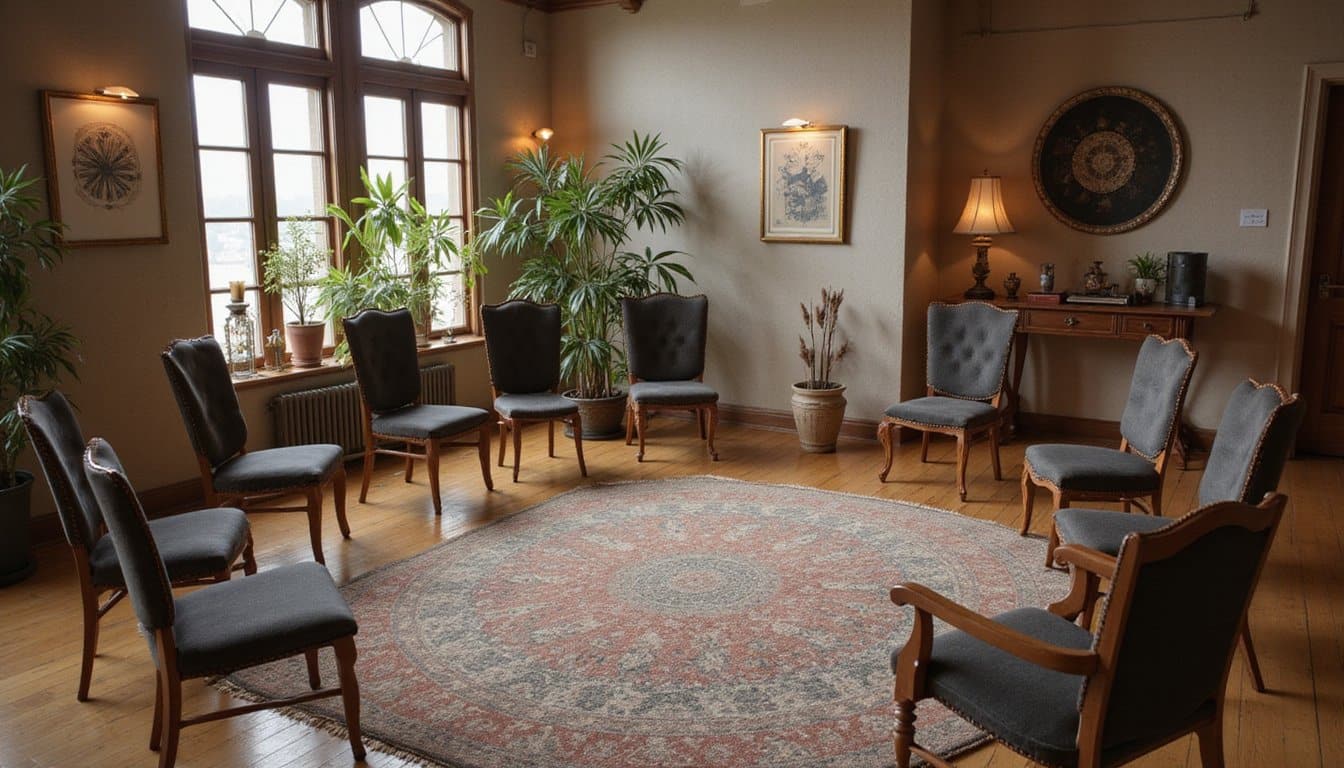
Because group therapy forms the cornerstone of your IOP experience, you’ll spend the majority of your morning session engaged in this powerful therapeutic format. You’ll meet daily with a small group of peers who understand your struggles firsthand, creating a community built on shared learning and accountability.
During these sessions, your therapist guides you through evidence-based approaches like Cognitive Behavioral Therapy and Dialectical Behavioral Therapy. You’ll practice challenging negative thoughts, regulating emotions, and building interpersonal effectiveness alongside others on similar journeys. All sessions are led by Masters-level clinicians who specialize in structured psychotherapy.
This peer-supported environment delivers remarkable results. You’ll process difficult emotions, develop healthy coping skills, and build social connections that extend beyond the therapy room. Research shows participants experience a 30% improvement in quality of life compared to standard outpatient care. Your group becomes both your support system and your catalyst for lasting change. A multidisciplinary team designs a personalized treatment plan tailored specifically to your unique needs and goals.
Skills Training Puts Coping Strategies Into Practice
While group therapy helps you process emotions and connect with peers, skills training gives you concrete tools to manage challenges outside the treatment room. During these sessions, you’ll practice techniques like mindfulness exercises, breathing strategies, and relaxation methods that help regulate stress and difficult emotions.
You’ll learn to identify your personal triggers, whether internal experiences like cravings or external situations involving certain people or places. Cognitive-behavioral approaches teach you to recognize warning signs and develop effective responses before problems escalate. This work helps you create a relapse prevention plan that addresses your specific vulnerabilities and outlines strategies for managing potential challenges.
Skills training also focuses on communication strategies, including assertiveness, boundary setting, and conflict resolution. You’ll practice problem-solving techniques by identifying issues, weighing options, and choosing the best course of action. CBT actively engages clients in therapy and experiential learning, making these sessions hands-on rather than lecture-based. These aren’t abstract concepts, they’re practical tools you’ll apply in real-world situations to support your ongoing recovery and mental wellness.
Built-In Breaks Help You Recharge and Connect
Intensive therapy sessions demand significant mental energy, so built-in breaks throughout your morning IOP give you essential time to rest and recharge. These scheduled pauses prevent mental fatigue and allow your brain to process what you’ve learned during group therapy.
Breaks also create valuable opportunities for peer connection. You can chat with others who understand your challenges, share encouragement, and practice the communication skills you’re developing in treatment. These informal moments strengthen your support network and help you feel less alone in recovery. Since the program runs for 3 hours a day, these breaks are strategically placed to maximize your energy and focus. This structure supports your ability to continue living at home while receiving the intensive care you need.
Transition time between different therapy modalities matters too. Moving from a check-in group to skills training to process work requires mental flexibility. Short breaks give you space to reflect on insights before diving into the next session, preventing overwhelm and helping you stay engaged throughout your morning.
How Your Morning IOP Session Wraps Up
As your morning IOP session winds down, the closing procedures help you carry your progress beyond the treatment room. Your clinical team reinforces the skills you’ve practiced, ensuring you feel equipped to apply them at home and in daily situations.
Closing procedures bridge treatment and daily life, ensuring you leave each session equipped to apply new skills at home.
Before you leave, staff review relapse prevention strategies and remind you of coping techniques that work for you. This isn’t just routine, it’s intentional support designed to bridge treatment and real life. The session incorporates grounding techniques from Seeking Safety to help you stay centered as you transition back to your daily routine.
Your progress gets documented for review during weekly evaluation meetings with your primary therapist. You’ll also confirm your attendance schedule for upcoming sessions, maintaining the accountability that strengthens recovery.
These closing moments create continuity between sessions. You leave knowing what you’ve learned matters and that your treatment team is tracking your growth every step of the way.
Practicing New Skills at Home After Morning IOP
After your morning IOP session ends, the real work begins as you apply what you’ve learned to your daily life. You’ll strengthen your recovery by practicing skills like mindfulness exercises and coping strategies for 15-30 minutes each day, turning new techniques into lasting habits. Tracking your progress through journaling or apps helps you see your growth and gives you valuable insights to share at your next session. Your treatment team regularly evaluates your development and adjusts your plan to ensure you’re continuously moving toward your mental health goals.
Daily Skill Practice Tips
When you leave your morning IOP session, the real work of recovery continues at home through daily skill practice. You’ll want to set aside dedicated time each day to reinforce what you’ve learned. Start with brief mindfulness exercises, even five minutes of deep breathing can help you stay grounded. These visualization exercises and breathing techniques help you become more cognizant of your emotions and thoughts throughout the day.
Keep a journal to track your thoughts and emotions, noting patterns that emerge. Practice emotion regulation by checking facts when distressing thoughts arise. When you feel overwhelmed, apply distress tolerance techniques like self-soothing or radical acceptance. Using cognitive restructuring techniques, you can challenge and reframe negative thought patterns that contribute to emotional distress.
Build mastery by setting small, achievable goals daily. Incorporate physical activity to boost your mood naturally. Practice assertive communication with trusted people in your life. These consistent efforts strengthen your skills between sessions, making each morning IOP experience more productive and meaningful for your recovery journey.
Tracking Your Home Progress
Tracking your home progress turns the skills you’ve learned in morning IOP into lasting habits that support your recovery. When you document how you’re applying techniques between sessions, you create a clear picture of your growth and identify areas needing attention.
Your treatment team uses this information to tailor your care and celebrate your wins. Here’s how to track effectively:
- Journal daily about which coping strategies you used and how they worked in real situations
- Note patterns in your emotional responses to recognize triggers and successes
- Record feedback from family members about communication improvements they’ve observed
- Bring specific examples to your next session for collaborative troubleshooting
This accountability structure strengthens your confidence and helps you see concrete evidence of your progress toward recovery goals. Since IOP meets 3 days a week, your therapeutic homework between sessions gives you multiple opportunities to practice and refine these skills before your next group meeting.
When Individual Therapy Fits Into Your IOP Schedule
Your individual therapy sessions typically fit into your morning IOP schedule after group therapy wraps up, often around 10:30 AM, giving you dedicated time to work on personalized treatment goals. You’ll collaborate with your therapist to address specific challenges that matter most to your recovery, building on what you’re learning in group. If morning sessions don’t work with your responsibilities, many programs offer afternoon or evening options to help you stay consistent with your care.
Scheduling Around Group Sessions
The structure of an IOP program revolves around group therapy, which means you’ll attend sessions 3-5 days per week for approximately 3 hours each day. Your total weekly commitment ranges from 9-15 hours, giving you meaningful treatment while preserving time for work and family.
You’ll select either a morning track (9:00 a.m., 12:00 p.m.) or evening track (6:00 p.m., 9:00 p.m.), not both. This flexibility helps you build treatment around your life:
- Morning sessions work well if you have school pickups or afternoon obligations
- Evening options accommodate traditional work schedules
- Telehealth allows remote participation when needed
- Weekend availability helps resolve weekday conflicts
Case management provides up to 2 hours monthly to support your scheduling needs, ensuring you can maintain consistency throughout your treatment journey.
Personalized Treatment Plan Goals
While group sessions form the backbone of your IOP experience, individual therapy creates space for deeper, personalized work that addresses your specific concerns. During your initial evaluation, you’ll work alongside your therapist to identify what matters most to you and formulate clear, achievable objectives together.
Your customized treatment plan incorporates evidence-based approaches like CBT, DBT skills, and Motivational Interviewing, all tailored to your unique situation. You’re not following a generic template; you’re building a strategy that addresses your personal challenges and develops coping skills you’ll actually use.
These one-on-one sessions typically occur weekly within your 9-12 hours of care, fitting seamlessly alongside group therapy. As you progress through your 4-12 week program, your plan evolves with you, adjusting intensity based on your growth and changing needs.
Morning Versus Evening Options
Two primary scheduling options shape how IOP fits into your daily life: morning sessions running from 10am to 1pm or evening programs that begin after traditional work hours.
Your personal circumstances determine which format serves you best. Morning IOPs work well if you experience exhaustion after long workdays or need afternoons free for family responsibilities. Evening programs accommodate traditional 9-to-5 schedules while offering holistic therapies like mindfulness to help you decompress.
Consider these factors when choosing your schedule:
- Your energy levels throughout the day and when you’re most receptive to therapy
- Work commitments and whether your employer offers scheduling flexibility
- Caregiving responsibilities for children or family members
- School attendance requirements that may conflict with certain timeframes
Both options deliver equivalent clinical intensity, ensuring you receive thorough treatment regardless of timing.
How Morning IOP Sessions Change Over Time
Morning IOP sessions evolve meaningfully as you progress through treatment, with each phase building on the one before. You’ll notice your early weeks focus on stabilization and orientation, while later sessions emphasize skill-building and real-world application.
| Phase | Focus | Your Growth |
|---|---|---|
| Weeks 1-3 | Orientation, stabilizing, group introductions | Building foundation and peer connections |
| Weeks 4-6 | CBT/DBT skills, family therapy | Developing resilience and support systems |
| Weeks 7-8 | Relapse prevention, reflection | Preparing for independent coping |
As you move through the program, you’ll shift from intensive morning sessions to less frequent outpatient care. This gradual change lets you practice your new coping strategies in daily life while maintaining therapeutic support. Your progress discussions during group wrap-ups help you recognize how far you’ve come.
A typical morning IOP session at Quest Wellness Center is structured to set a positive tone for the rest of your day. Each session incorporates personalized, evidence-based therapies targeting PTSD, anxiety, and mood disorders, guided by an experienced team that adapts treatment to your specific needs. Our flexible morning, afternoon, and evening programs ensure consistent support no matter what your schedule looks like. Call +1 (818) 275-9810 today and begin your journey toward healing.
Frequently Asked Questions
What Happens During My First Day of IOP Before Regular Sessions Begin?
On your first day, you’ll receive a warm welcome and meet your fellow group members and staff. You’ll get an overview of the program structure, learn about group norms, and walk through the schedule together. Your care team will help you identify personal goals and focus areas for treatment. It’s completely normal to feel nervous, your team understands this and will support you as you settle in.
How Long Does a Typical IOP Program Last From Start to Finish?
A typical IOP program lasts 8-12 weeks, though your journey may look different based on your unique needs. You’ll likely attend 3-5 sessions per week, with intensity decreasing as you progress. Some programs run 4-8 weeks, while others extend beyond 12 weeks if you’re working through co-occurring conditions or need additional support. Your treatment team will adjust the timeline based on your milestones and personal growth.
Can I Continue Working or Attending School While Enrolled in Morning IOP?
Yes, you can absolutely continue working or attending school while enrolled in morning IOP. That’s actually one of its biggest strengths. Morning sessions typically run from 9 AM to noon, freeing up your afternoons and evenings for work, classes, or family responsibilities. Programs are specifically designed to fit around your daily life, so you don’t have to choose between getting support and maintaining your commitments. You’re building recovery while staying engaged.
What Therapeutic Approaches Like CBT or DBT Are Used During IOP Treatment?
IOP treatment incorporates several evidence-based therapeutic approaches to support your recovery. You’ll engage in CBT to identify and challenge distorted thoughts while learning cognitive restructuring techniques. DBT helps you build skills for emotion regulation, distress tolerance, and mindfulness. You’ll also benefit from motivational interviewing, psychoeducation about triggers, and process groups where you’ll receive valuable peer feedback. These approaches work together within your personalized treatment plan.
How Do I Know When I’m Ready to Transition Out of IOP?
You’re ready to shift out of IOP when you’ve achieved consistent stability and can apply coping skills independently in daily life. Your clinician will assess whether you’re attending sessions without disruptions, managing medications effectively, and maintaining safety outside program hours. You’ll also have built a solid support system and aftercare plan. Typically, after six weeks of active participation and meeting your treatment goals, you’ll collaborate with your team on next steps.