

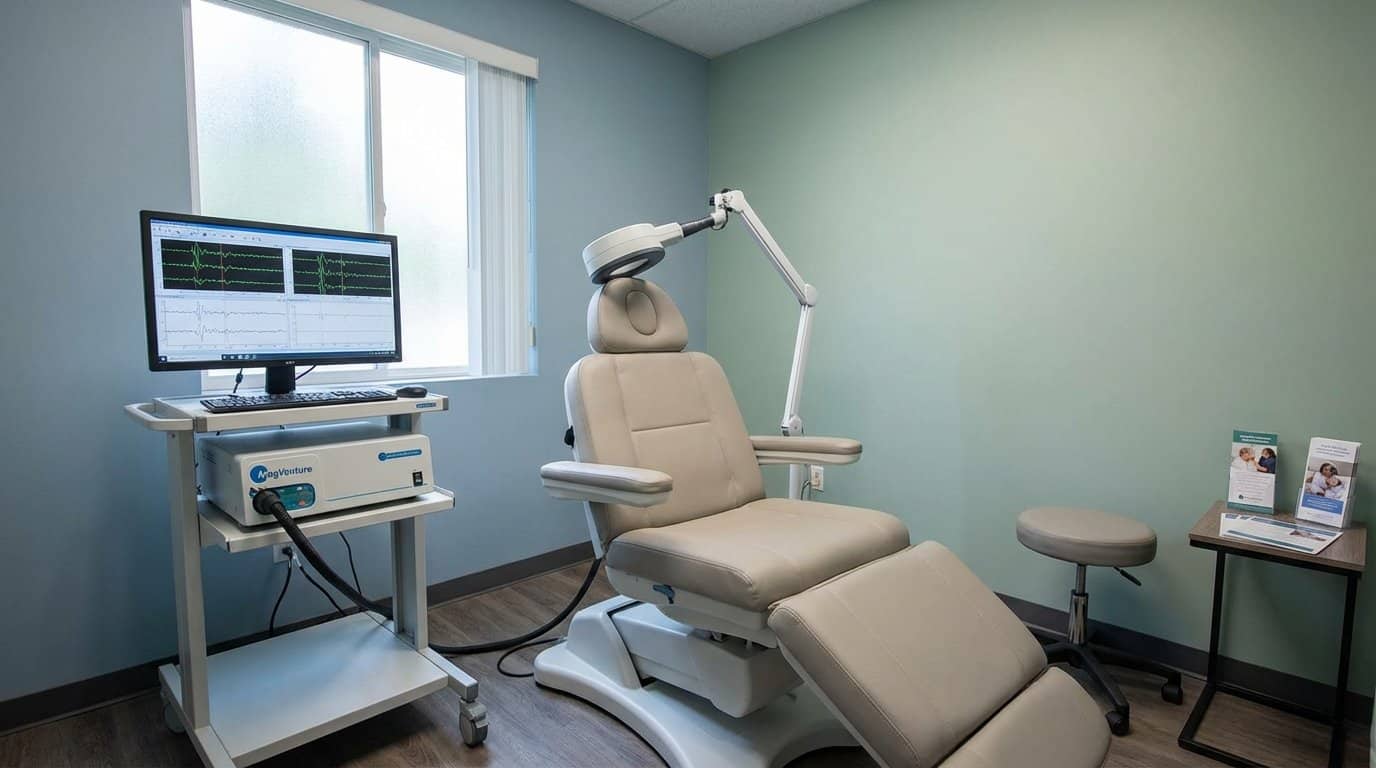




TMS therapy uses gentle magnetic pulses to activate nerve cells in your brain’s prefrontal cortex, the region linked to mood regulation. During each session, an electromagnetic coil placed against your scalp delivers targeted pulses that strengthen neural connections, support dopamine release, and encourage neuroplasticity. It’s FDA-approved for depression, OCD, and migraines, with impressive remission rates and minimal side effects. Below, you’ll find a complete breakdown of how each TMS protocol works and how it can help you.
What Is TMS Therapy?
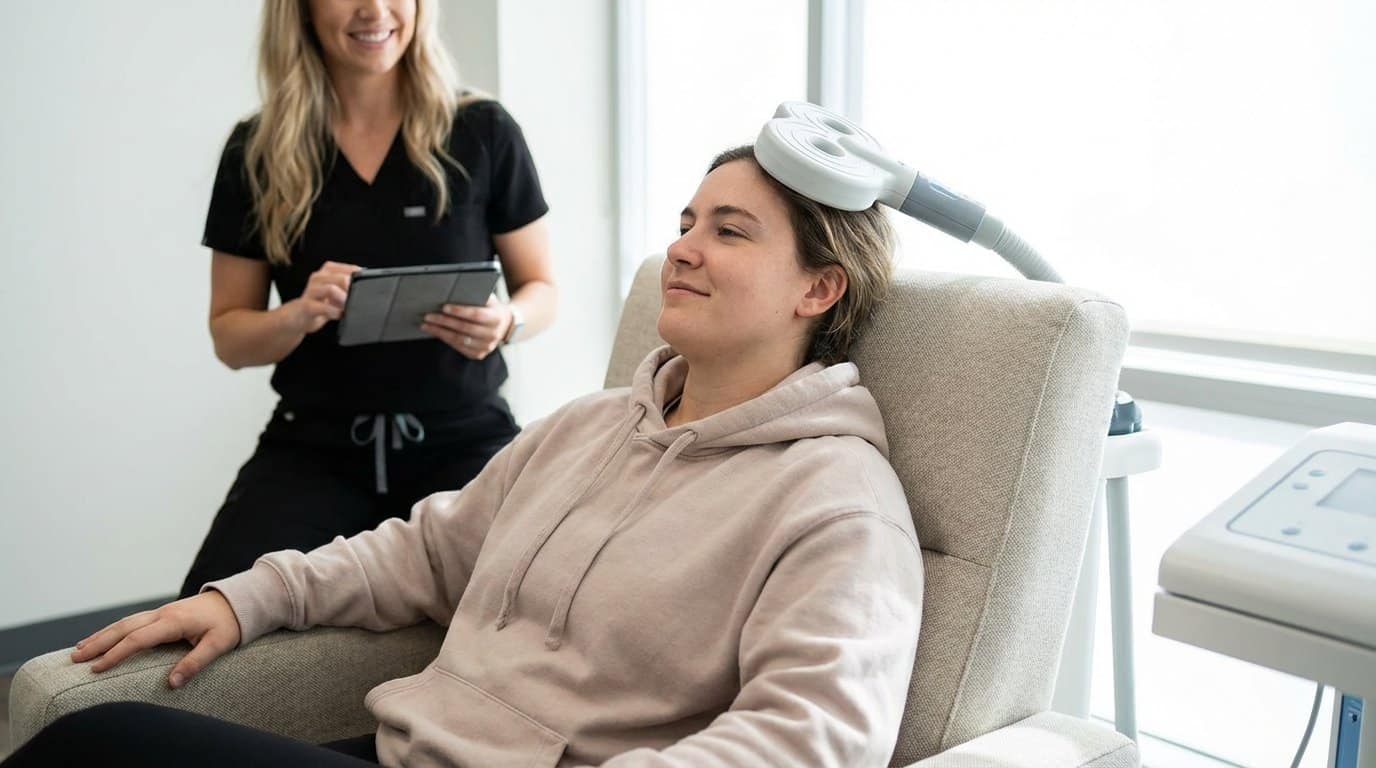
Transcranial magnetic stimulation (TMS) is a noninvasive medical treatment that uses gentle magnetic fields to stimulate nerve cells in targeted regions of the brain. A clinician places an electromagnetic coil against your head, producing a focused, painless current that helps restore healthy mood regulation by targeting the dorsolateral prefrontal cortex, a key brain region for emotional wellbeing.
Because TMS requires no surgery, anesthesia, or sedation, you can drive yourself to and from sessions and carry on with your day completely as normal. Sessions are quick, just 10 to 20 minutes, spread over a few weeks. The FDA has approved TMS for major depressive disorder, obsessive-compulsive disorder, certain migraines, and smoking cessation, making it a trusted, evidence-based option that has brought real relief to many people looking for a fresh start.
How TMS Works Inside Your Brain
Every TMS pulse sends a focused magnetic field of 2, 3 teslas through your scalp, activating cortical neurons 2, 4 cm below the surface. High-frequency stimulation (>5 Hz) energizes underactive mood-regulation regions, while low-frequency protocols (<1 Hz) calm overactive circuits, restoring a healthy balance in your brain.
With repeated sessions, TMS supports synaptic plasticity, encourages dopamine release, boosts BDNF production, and promotes positive activity across thalamic and cingulate regions, driving lasting neuroplastic changes that gradually and meaningfully lift depressive symptoms.
Types of TMS Therapy Compared
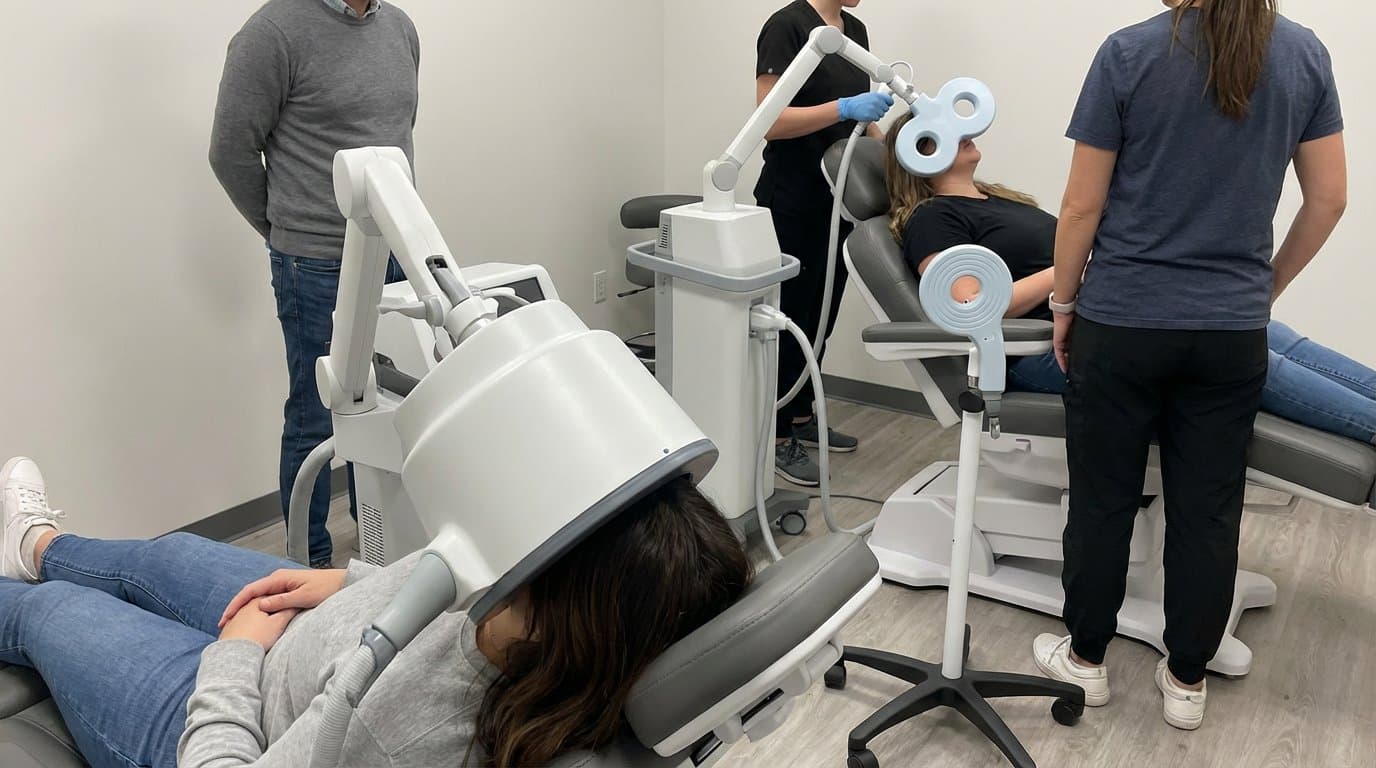
Several TMS protocols are available, each designed to suit different needs and lifestyles. Some individuals also explore personalized TMS therapy in California through providers such as Alyne Wellness for a truly individualized treatment experience.
rTMS delivers repetitive pulses over 20, 40 minute sessions across 4, 6 weeks with strong remission rates. dTMS uses H-coils for deeper brain penetration, reaching 65% remission after 30 sessions. iTBS is ideal for busy schedules, condensing treatment into just 3-minute sessions with excellent lasting results. Accelerated TMS (SAINT) completes the full course in just five days with very high remission outcomes. Neuronavigated TMS uses fMRI-guided coil placement for a highly precise, personalized approach.
What Happens During a TMS Session?
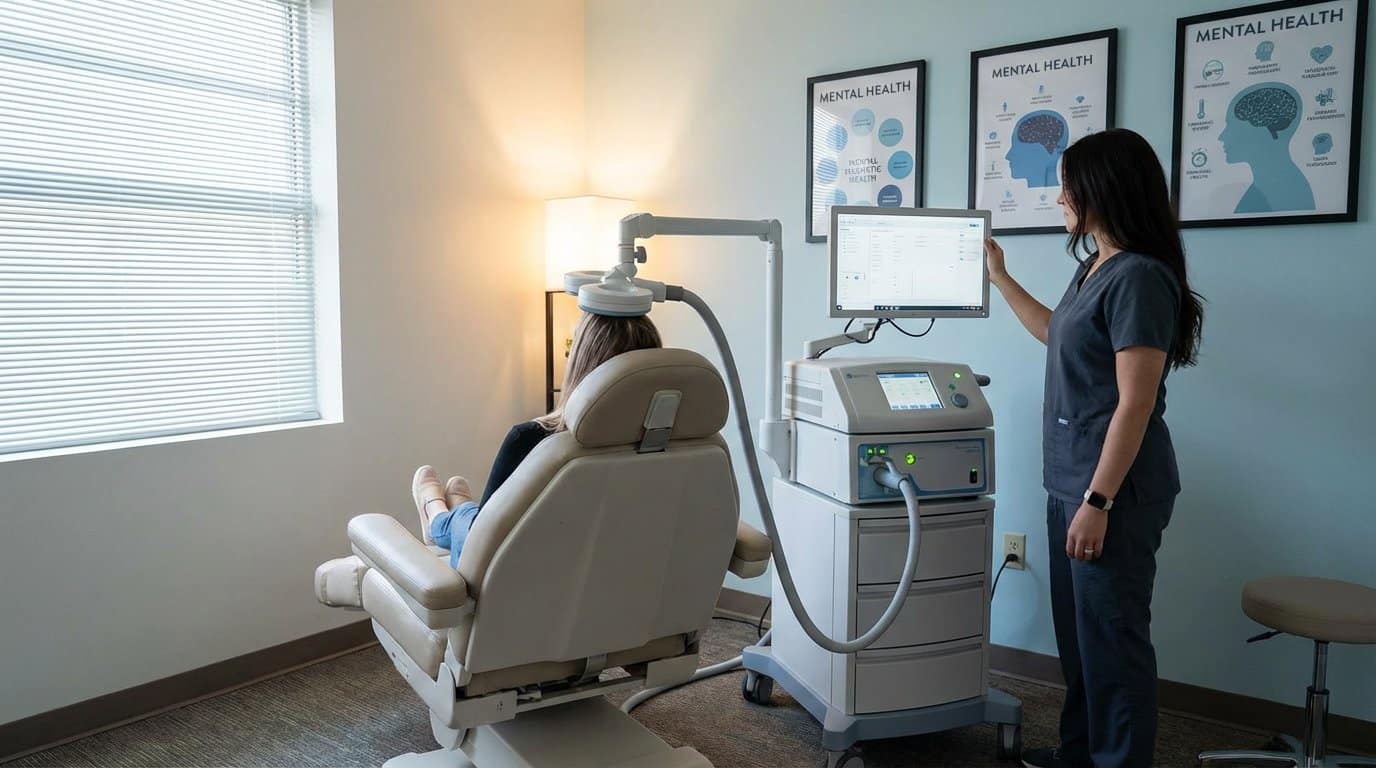
Each TMS session is a smooth, comfortable experience. You’ll be guided through a simple, consistent routine designed to make you feel at ease while delivering precise, effective treatment.
Every TMS session follows a precise, repeatable process, carefully calibrated to deliver accurate, comfortable treatment from start to finish.
- Preparation, You relax in a comfortable reclining chair, receive earplugs, and your head is gently measured to position the coil perfectly.
- Motor threshold mapping, Brief pulses identify the ideal stimulation spot so your treatment is tailored exactly to you.
- Stimulation delivery, You’ll feel a gentle tapping on your scalp while remaining fully awake and relaxed, with intensity building softly.
- Ongoing monitoring, Your care team stays present throughout, fine-tuning settings to keep everything comfortable and effective.
What Conditions Does TMS Therapy Treat?
TMS therapy covers a broad and growing range of conditions. The FDA has cleared it for major depressive disorder, obsessive-compulsive disorder, migraine with aura, and smoking cessation, with an accelerated deep TMS protocol for depression also approved in 2025.
Clinicians also use TMS for generalized anxiety disorder, PTSD, bipolar disorder, and schizophrenia. Research continues to explore exciting new applications including Parkinson’s disease, chronic pain, epilepsy, and stroke rehabilitation.
Emerging studies are evaluating TMS for Alzheimer’s disease, fibromyalgia, tinnitus, and traumatic brain injury, reflecting the bright and expanding future of this therapy. Speaking with a provider is a great first step to explore whether TMS is right for you.
Who Is a Good Candidate for TMS Therapy?
TMS therapy is a welcoming option for many people seeking a gentle, noninvasive approach to improving their mental health. Whether you’ve explored other treatments or are just beginning your journey, TMS offers a safe, proven path forward. A simple conversation with a TMS provider is all it takes to find out if it’s a great fit for you.
Is TMS Therapy Safe? Side Effects to Know
TMS therapy has an excellent safety record with no long-term negative effects reported. Most people tolerate it very well, any mild sensations like a light scalp tingle or brief headache in the first few sessions fade quickly as your body adjusts. Serious side effects are very rare, and trained professionals oversee every session to ensure your comfort and safety throughout. Overall, TMS is considered one of the safest, most well-tolerated treatments available today.
TMS Therapy vs. Antidepressants
TMS therapy targets mood-regulating brain regions directly, delivering powerful results without the systemic side effects that often come with medication. Unlike antidepressants, which affect the whole body, TMS is precise and localized, meaning most people experience little to no unwanted effects. Clinical data shows TMS achieves 30, 60% remission, with approximately 58% of patients experiencing meaningful symptom reduction.
Fewer Side Effects
Because TMS works on specific brain regions rather than your entire chemical balance, it avoids the most common medication drawbacks:
- Weight gain and metabolic changes
- Sexual dysfunction or decreased libido
- Emotional numbing or cognitive blunting
- Nausea, insomnia, and fatigue
The vast majority of people complete their full TMS course comfortably, and clinical studies confirm no serious adverse events or long-term complications associated with treatment.
A Brighter Path Forward
TMS has brought genuine hope and real results to many people. With 30, 40% achieving full remission and 58% experiencing meaningful symptom reduction, it delivers targeted, lasting relief for depression, anxiety, and anhedonia. For anyone looking for an effective, fresh approach to feeling better, TMS is a clinically proven option full of promise.
How Long Do TMS Therapy Results Last?
Most patients enjoy meaningful improvement for six months to a full year after completing treatment, and many maintain progress even longer with simple follow-up care.
- 62% of patients sustained improvement at the six-month mark.
- Over 60% maintained remission beyond one year with follow-up care.
- Maintenance sessions can easily sustain results over the long term.
- Completing the full treatment course gives you the best chance of lasting, life-changing relief.
TMS doesn’t just help you feel better temporarily, it creates real, lasting positive changes in your brain that continue working long after your sessions are done.
Frequently Asked Questions
Is TMS Therapy Covered by Insurance?
TMS therapy is widely covered by major insurance providers, including Aetna, Cigna, UnitedHealthcare, and Medicare. Many people find their out-of-pocket expenses are very manageable, and we are here to help walk you through the coverage process to make getting started as smooth as possible.
Can TMS Therapy Be Combined With Medication or Psychotherapy?
Absolutely, and combining treatments often leads to even better outcomes. Pairing TMS with antidepressants can achieve remission rates up to 80%, while combining it with psychotherapy yields a 66% response rate and 56% remission. Your provider can help build a plan that brings out the best in all your treatments together.
Is TMS Therapy Painful and What Does It Feel Like?
TMS is very well tolerated, and most people find it quite comfortable. You’ll feel a gentle tapping sensation on your scalp during the session. Any initial sensitivity typically fades within the first few appointments, and most people find it a calm, relaxing part of their week.
How Soon Will I Start Feeling Better?
Many people notice positive shifts in sleep, energy, and mood within the first one to two weeks. By weeks three to four, most patients feel a meaningful lift, more motivation, greater hope, and reduced emotional heaviness. Research shows significant improvements around sessions 12, 15, and by weeks five to six, 50, 60% of patients report substantial improvement, with 30, 40% achieving full remission.
Can TMS Therapy Be Repeated if Needed?
Yes, TMS works just as well with repeat courses, and FDA-approved protocols fully support multiple rounds of treatment. Maintenance sessions help keep results strong over time, and over two-thirds of patients remain symptom-free at 12 months. It’s a treatment you can always return to whenever you need it.