

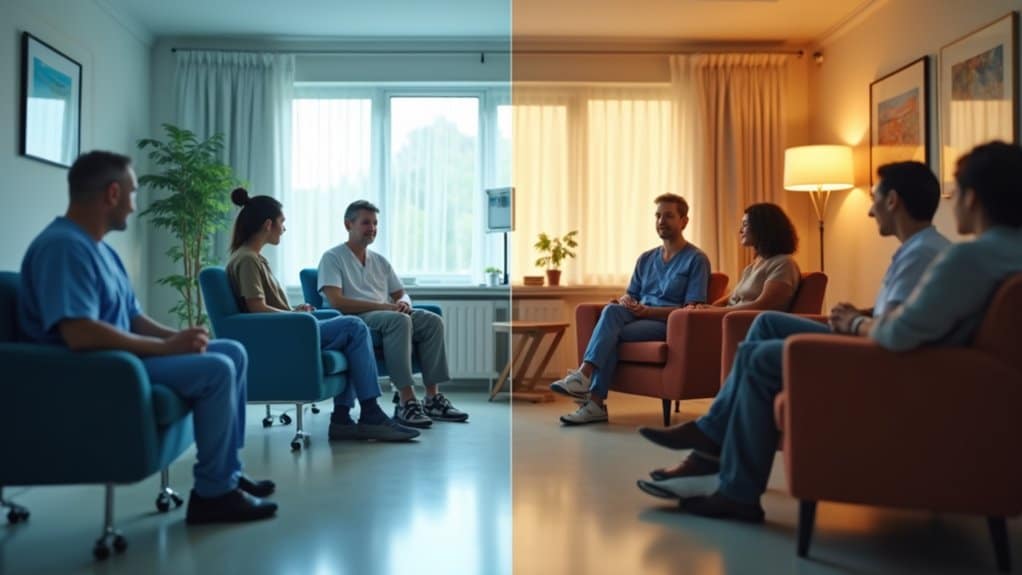


You can absolutely build a genuine, trusting connection with a therapist or peer support group online, and research supports this. Studies show online therapy completion rates reach 69%, compared to 44% for in-person treatment, with comparable outcomes for depression and anxiety. Trust develops gradually through consistent sessions, and comfort from home often helps you open up more freely. The key isn’t proximity, it’s presence, engagement, and patience as the bond deepens over time, and there’s much more to discover about making that connection thrive.
Why Online Therapy Connection Is Stronger Than You’d Expect

When people first consider online therapy, many assume the screen creates a barrier to real connection. Research tells a different story. The therapist client relationship telehealth studies reveal is just as strong as what develops in person. You’re not losing depth, you’re gaining comfort. Attending sessions from home helps you feel safe, relaxed, and more willing to open up.
Beyond your therapist, a virtual recovery support community offers something powerful: shared understanding. Through group sessions, you’ll experience online therapy peer connection that reduces isolation and builds genuine support networks. You’re more likely to stay consistent too, with completion rates reaching 69% online compared to 44% in person. Connection doesn’t require proximity, it requires presence. Research also confirms that online counseling increases accessibility for clients, removing geographic and logistical barriers that once kept people from getting the help they needed.
Does Online Therapy Actually Work as Well as In-Person?
How well does online therapy actually hold up against traditional in-person treatment? Research consistently shows you can expect comparable outcomes whether you’re logging in from home or sitting in a therapist’s office. For those struggling with specific issues like obsessive-compulsive disorder, online iop for ocd provides tailored support that can be accessed at any time. Many individuals find the flexibility of virtual treatment to be particularly beneficial, enabling them to work on coping strategies in a comfortable environment. Furthermore, this approach often incorporates innovative tools and technologies to enhance the therapeutic experience.
| Outcome Measure | Online vs. In-Person |
|---|---|
| Depression & Anxiety Reduction | No significant difference |
| Therapeutic Alliance Quality | Comparable across both formats |
| Quality of Life Improvements | Parallel results |
What matters most isn’t the medium, it’s your engagement and the strength of your therapeutic relationship. Building connection in online therapy depends on consistent communication, trust, and willingness to participate openly. Virtual group therapy relationships can reduce isolation just as effectively when you’re genuinely present. Your recovery doesn’t require a waiting room; it requires your commitment. A current study is using a randomized non-inferiority design to rigorously compare online and in-person therapy outcomes for youth aged 12, 18, which may further solidify this evidence.
Can You Build Real Trust With an Online Therapist?
Research identifies several factors that shape whether trust takes root online:
- Your therapist’s competence and credentials form the foundation, knowing they’re qualified helps you feel safer opening up.
- Your prior therapy experience matters greatly, giving you reference points for evaluating whether a connection feels genuine.
- Emotional connection carries the most weight, your therapist’s ability to convey empathy online directly influences whether you perceive the relationship as authentic.
Here’s what’s encouraging: studies show emotional connection concerns actually improve after an initial adjustment period. Trust doesn’t require physical proximity, it requires consistency, empathy, and time. Research also reveals that trust in online therapy is multidimensional, shaped not only by personal factors like experience and socio-economic status but also by contextual factors such as platform popularity, recommendations from others, and the availability of reliable technical equipment.
How Age and Comfort Level Shape Your Online Therapy Experience
Your comfort with technology plays a surprising role in how you experience online therapy, though perhaps not in the way you’d expect. Research shows that 93.7% of younger adults actually prefer in-person therapy despite their high technology usage. They often see technology as serving specific purposes that don’t include managing mental health.
Meanwhile, middle-aged and older adults frequently show greater openness to digital mental health solutions, valuing the efficiency that lets them balance other life demands.
Your generation also shapes how you prefer to connect. You might gravitate toward mobile apps, video calls, phone sessions with follow-up emails, or screen-sharing features. Recognizing your own preferences helps you advocate for the format where you’ll build the strongest therapeutic connection. As you consider the various options, it’s important to weigh the virtual IOP program benefits and drawbacks. These programs can offer flexibility and accessibility, but they may also lack the personal touch of in-person interactions. Finding the right balance is key to ensuring you receive the support you need in a way that resonates with you.
How to Open Up During Online Therapy Sessions

Once you’ve found the format that suits you best, the next step is learning how to actually let your guard down in that space. Opening up online can feel unfamiliar, but research shows emotional expressiveness transfers naturally from face-to-face to virtual settings. Your willingness to share matters more than the medium.
Consider these approaches to ease into vulnerability:
- Start with messaging. Asynchronous text therapy matches in-person effectiveness for many conditions, giving you time to articulate difficult feelings without pressure.
- Lean into your comfort with digital communication. If you already prefer discussing personal topics online, that inclination actually supports deeper therapeutic engagement.
- Trust the process gradually. Positive early digital interactions often encourage you to explore harder topics over time, building momentum toward meaningful breakthroughs.
Does Group Therapy Work Just as Well on Screen?
How well does group therapy actually translate to a screen? Research consistently shows that online group interventions match face-to-face therapy in effectiveness. Across fifteen randomized controlled trials, only three found superior in-person outcomes, meaning most participants experienced equivalent symptom reduction regardless of format.
You might actually find certain advantages online. Many participants report feeling less judged in virtual sessions, which encourages deeper sharing. The convenience removes geographical barriers, and completion rates often improve compared to in-person programs.
That said, cohesion can develop more slowly on screen, and you’ll miss some physical proximity cues. Technical hiccups happen. But the therapeutic alliance you build with your group and therapist remains comparable to what you’d experience in person, and that alliance drives real progress.
How to Pick an Online Therapy Platform That Feels Right
With so many online therapy platforms available, finding the right fit can feel overwhelming, especially when you’re already traversing the vulnerability of seeking help. You deserve a platform that honors your trust. Here’s what to look for:
- Verified credentials and transparency. Confirm that therapists hold valid state licensure and that the platform clearly communicates its privacy policies, including HIPAA compliance.
- Flexible therapist matching. Choose platforms that let you view provider profiles, select based on cultural preferences, and switch therapists if the connection doesn’t feel right.
- Diverse communication options. Look for video, phone, live chat, and messaging, so you can engage in ways that feel comfortable for you.
The right platform shouldn’t just offer therapy. It should make you feel seen before your first session begins.
What to Do When Online Therapy Feels Distant
Even though research consistently shows online therapy can be as effective as in-person sessions, there are moments when the screen between you and your therapist feels like more than just glass, it feels like a wall. That disconnect doesn’t mean therapy isn’t working. It means you’re paying attention to something worth exploring.
Start by naming what feels off. Is it the silence that lingers differently through a speaker? A sense that nonverbal cues aren’t landing? Sharing these observations with your therapist strengthens the relationship rather than weakening it.
Staying consistent matters too. Longer attendance in therapy correlates with better outcomes regardless of format. The connection you’re seeking often builds gradually, session by session, as trust deepens. Give yourself permission to stay engaged even when it feels imperfect.
Frequently Asked Questions
How Do Licensing Requirements Affect Access to Online Therapy Across States?
Licensing requirements can directly limit your access to online therapy. Your therapist must hold a valid license in the state where you’re physically located during sessions, not where they’re based. If they aren’t licensed in your state, they can’t legally treat you. Interstate compacts like the Counseling Compact are expanding access, but coverage isn’t universal yet. You’ll want to verify your therapist’s credentials match your state’s specific requirements.
How Much Time Does Online Therapy Save Compared to In-Person Visits?
You save significant time by eliminating your commute entirely, there’s no driving, parking, or sitting in a waiting room. You can log in from home or anywhere with internet access, which means you’re spending less time preparing for each session too. You’ll also find more flexible scheduling options, including evening or weekend slots that fit your life. That extra time can go toward self-care, family, or other recovery-supporting activities.
What Percentage of Americans Have Actually Used Telehealth for Mental Health?
Around 16% of Medicare beneficiaries have used telehealth, with nearly half of all mental health visits now happening remotely. Nationally, about 38, 58% of mental health appointments are conducted via telehealth, depending on the year and population studied. You’re not alone if you’ve considered this option, millions of people are already connecting with therapists online. It’s encouraging to know that so many others are finding support through virtual care.
How Fast Is the Online Therapy Market Expected to Grow Financially?
The online therapy market is growing rapidly, and you might find the numbers encouraging. Analysts project the market could expand from around $4.39 billion in 2025 to over $14 billion by 2034, reflecting a compound annual growth rate of roughly 14.3%. That momentum suggests you’re part of a growing movement where more people are recognizing online therapy’s value, which means continued investment in the quality of virtual connections that support your recovery.
Do Younger Generations Use Online Therapy More Than Older Age Groups?
Yes, younger generations tend to use online therapy considerably more than older age groups. If you’re part of Gen Z or a millennial, you’re among the most active users of teletherapy today. Gen Z leads with a 72% usage rate, while baby boomers sit closer to 38%. This isn’t surprising, you’ve grown up with technology, so it’s natural you’d feel comfortable seeking support through virtual platforms.