






Creating a healthy nighttime routine after treatment starts with setting a consistent bedtime and building a 30-minute wind-down that signals your brain it’s time to rest. You’ll want to switch your phone to airplane mode, journal your thoughts, and practice gentle breathing exercises. Research shows regular sleepers face 39% lower mortality risk, and quality rest directly strengthens impulse control, your frontline defense against relapse. Below, you’ll find exactly how to build, track, and adapt your routine as recovery evolves.
Why Your Nighttime Routine Matters More in Recovery
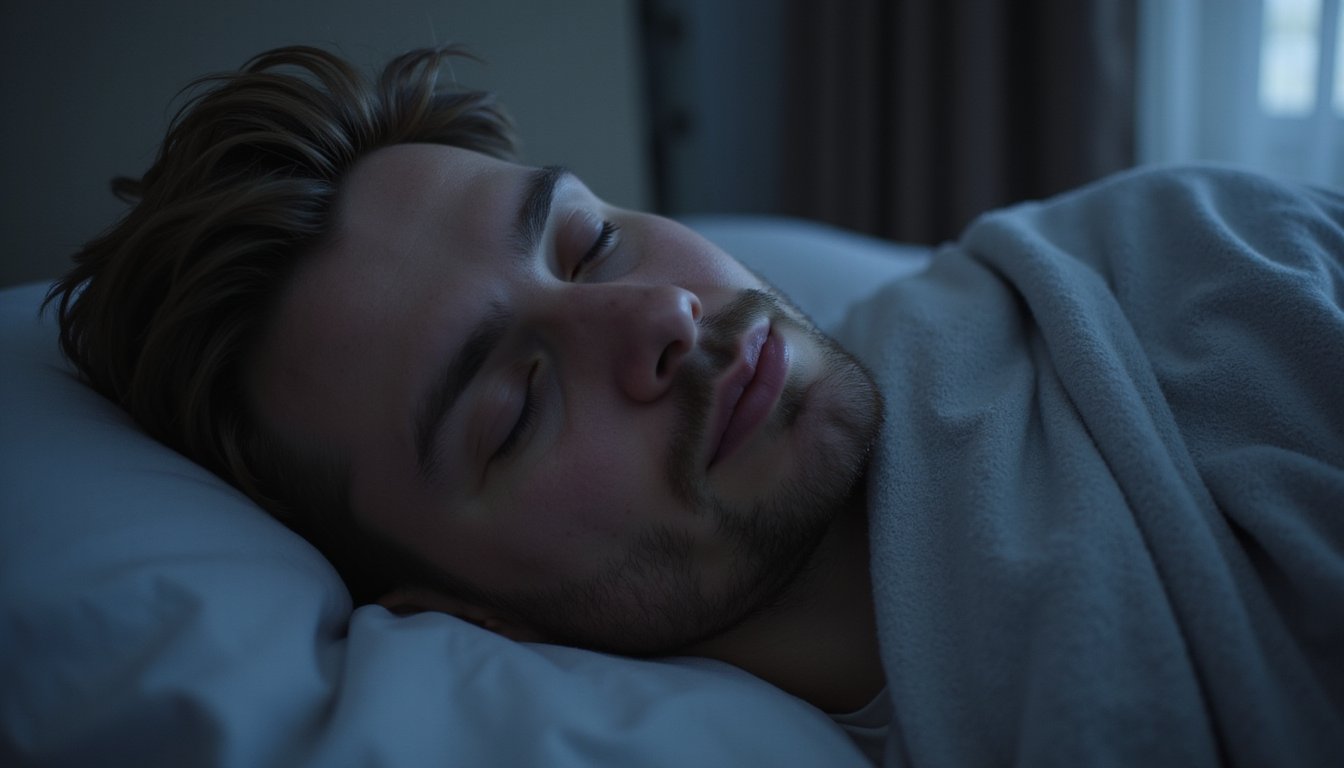
When you’re guiding recovery, your nighttime routine carries far more weight than it did before treatment. Sleep enables your brain to repair addiction-induced damage, flush toxins, and regulate hormones essential for tissue restoration. Without a consistent nighttime routine after therapy, you’re vulnerable to fatigue that impairs judgment, lowers mood, and weakens your ability to cope with cravings.
Research confirms that poor sleep creates a vicious cycle, elevating relapse risk by undermining impulse control. Your evening recovery routine mental health depends on quality rest, it strengthens emotional balance and maintains sobriety. Studies on shift-working nurses demonstrate a clear dose-response relationship, showing that individuals with greater monthly nighttime-sleep opportunities experience significantly improved fatigue outcomes compared to those with fewer opportunities. Building healthy habits after therapy sessions isn’t optional; it’s protective. Consistent sleep patterns reinforce your circadian rhythm, sending safety signals throughout your nervous system and sustaining the progress you’ve worked hard to achieve.
Set a Consistent Bedtime That Anchors Your Routine
Because your brain thrives on predictability, anchoring your recovery around a fixed bedtime creates one of the most powerful stabilizing forces available to you. Research shows adults maintaining regular sleep schedules have a 39% lower mortality risk than irregular sleepers, benefits that persist regardless of existing sleep disorders.
Your evening mental health routine recovery depends on this consistency. Even ten-minute bedtime variations measurably impact cardiovascular and metabolic health. Regular sleepers demonstrate improved mood regulation, stronger immune function, and reduced depression. Structured bedtime routines have also been shown to reduce sleep onset latency and fewer nighttime awakenings, reinforcing the restorative sleep your recovery demands.
As part of your nighttime self care after IOP, choose a specific bedtime you’ll maintain at least four nights weekly. This dose-dependent approach yields linear improvements in sleep quality, emotional regulation, and the coping resilience you’re building through treatment. also consider the impact of evening iop treatment with family and parenting responsibilities, as balancing these roles can be essential for your recovery journey. making time for loved ones during your evening routine can foster a sense of connection and support. integrating these elements into your self-care can enhance your overall well-being and strengthen your coping strategies.
Design Your 30-Minute Nighttime Wind-Down
Although your consistent bedtime sets the anchor, what you do in the 30 minutes before it determines how quickly your nervous system downshifts from the day’s demands. Switch your phone to airplane mode and place it face-down, even brief screen checks reignite alertness and suppress melatonin production. Then move through these three sequential steps:
- Brain unload: Write looping thoughts, tomorrow’s tasks, and unresolved worries onto paper. Draw an arrow beside urgent items and schedule them. Close by listing three wins from your day to redirect your mind from problem-scanning.
- Gentle body shifts: Perform neck rolls, shoulder circles, and a forward fold, followed by two minutes of box breathing, inhale four counts, hold four, exhale four, hold four.
- Environment prep: Set one warm lamp, close curtains, and turn down bedding. Reducing visual clutter quickly before you settle in helps calm the brain so it stops processing background stimulation.
Calming Activities That Actually Improve Sleep
Taking a warm bath 1, 2 hours before bed triggers your body’s natural thermoregulation process, where the subsequent drop in core temperature signals your brain that it’s time for sleep. Pairing this with quiet, low-stimulation activities, like reading, gentle stretching, or guided breathing exercises, activates your parasympathetic nervous system and lowers cortisol levels, creating the physiological conditions your body needs to fall asleep more quickly. These evidence-backed practices don’t require special equipment or significant time, making them practical additions to your nightly routine after evening therapy sessions.
Warm Baths Before Bed
A warm bath before bed does more than feel relaxing, it actively triggers physiological changes that prepare your body for sleep. When you soak in water between 104, 109°F, your body increases blood circulation to your hands and feet, accelerating heat dissipation. This post-bath core temperature drop mimics your natural sleep-onset process, promoting melatonin production and circadian alignment.
- Time it right: Bathing 1, 2 hours before bed shortens sleep onset latency by an average of 10 minutes, helping you fall asleep faster.
- Keep it warm: Water at 104, 109°F stimulates vasodilation and enhances your distal-to-proximal skin temperature gradient for efficient cooling.
- Expect measurable results: Research across 13 studies confirms improvements in sleep efficiency, total sleep time, and subjective sleep quality.
You’re reinforcing recovery every time you prioritize restorative sleep.
Quiet Activities Aid Sleep
When your mind won’t quiet down after an evening therapy session, calming activities can bridge the gap between emotional processing and restful sleep. Going screen-free for at least 30 minutes before bed reduces mental overstimulation and eye strain, helping your brain shift toward rest.
You don’t need elaborate rituals. Simple activities like reading a book, coloring, knitting, or doodling can ease an overstimulated mind effectively. Listening to soft music promotes a calmer physiological state, while sitting quietly with a warm drink fosters genuine peacefulness.
These activities work because they gently redirect your attention without demanding cognitive effort. After processing heavy emotions in therapy, you’ll benefit from low-stimulation engagement that honors your mental fatigue rather than fighting it. Choose what feels naturally soothing to you. Engaging in activities that promote emotional processing fatigue allows for a gentle restoration of mental energy. This can include simple tasks like coloring, walking in nature, or listening to calming music. By allowing yourself this time to recharge, you create space for further growth and healing.
How Fast Will Your Nighttime Routine Work?
How quickly can you expect results from a structured nighttime routine? You’ll likely notice changes sooner than you think. Research shows bedtimes advance by 34 minutes on average once you implement a structured schedule, and 65% of participants experience earlier circadian shifts within the study period. Toddlers demonstrate behavioral improvements within three months of consistency.
- Immediate shifts: You can expect reduced night-to-night bedtime variability and faster sleep onset when you maintain routines five or more nights per week.
- Short-term gains: Within weeks, structured sleepers achieve 7, 9 hours of sleep at a 95% rate, compared to 80% without structure.
- Long-term alignment: Consistent nightly routines decrease night wakings and stabilize your circadian rhythm over time.
Commit to consistency, your results will compound.
Substances That Wreck Your Nighttime Routine
Certain substances can quietly undermine the nighttime routine you’re working hard to build after treatment. Alcohol may feel relaxing at first, but it actually reduces your overall sleep quality, while smoking delays sleep onset and degrades restorative rest with every cigarette. Even seemingly harmless choices like herbal teas deserve a closer look, as some contain ingredients that can interfere with the consistent, quality sleep your recovery depends on.
Alcohol Disrupts Sleep Quality
Although many people use alcohol as a nighttime wind-down tool, research consistently shows it damages sleep quality in measurable ways. You might fall asleep faster, but alcohol suppresses REM sleep, the stage essential for memory consolidation and emotional processing. As your body metabolizes ethanol, you’ll experience fragmented rest, frequent awakenings, and lighter sleep during the night’s second half.
- REM disruption: Alcohol considerably delays and reduces REM sleep, leaving you fatigued and emotionally vulnerable the next day.
- Sleep fragmentation: Initial deep sleep gives way to increased wakefulness and stage 1 sleep, preventing restorative rest.
- Sleep disorder risk: Alcohol relaxes throat muscles, increasing your odds of obstructive sleep apnea by 25%.
Protecting your sleep means protecting your recovery progress.
Smoking Delays Sleep Onset
Alcohol isn’t the only substance quietly sabotaging your sleep. If you smoke, nicotine actively delays your ability to fall asleep. Research shows current smokers take considerably longer to reach sleep onset, 16.5 minutes more than never smokers (p<0.0001). Nicotine stimulates neurotransmitters that regulate your sleep-wake cycle, keeping you alert when you should be winding down.
The damage goes deeper than delayed onset. Smoking shifts your sleep architecture toward lighter stages, reducing restorative slow-wave sleep. You’ll experience less total sleep time and lower sleep efficiency, regardless of your age, gender, or BMI. Each point increase in nicotine dependence raises your odds of poor sleep quality by 1.22 times.
Pre-bedtime smoking is especially disruptive. Avoiding nicotine in the hours before sleep protects the nighttime routine you’re building after treatment.
Herbal Tea Misconceptions
How carefully are you reading the label on your “sleepytime” tea? Not all herbal teas promote sleep, some actively work against it. Yerba mate and guarana tea contain considerable caffeine that boosts energy levels, directly undermining your nighttime routine. Even green tea, despite its calming reputation, carries enough caffeine to disrupt your circadian rhythm reset.
- Tannins in certain teas stimulate your nervous system, creating alertness that counteracts relaxation efforts after evening therapy sessions
- Marketing claims don’t guarantee efficacy, rigorous clinical evidence remains limited for many “sleep blend” ingredients
- Individual responses vary greatly, meaning what works for someone else may prove ineffective or counterproductive for you
You should opt for verified caffeine-free options and consult your treatment provider before incorporating any herbal tea into your recovery routine.
Track Your Nighttime Routine’s Impact on Sleep
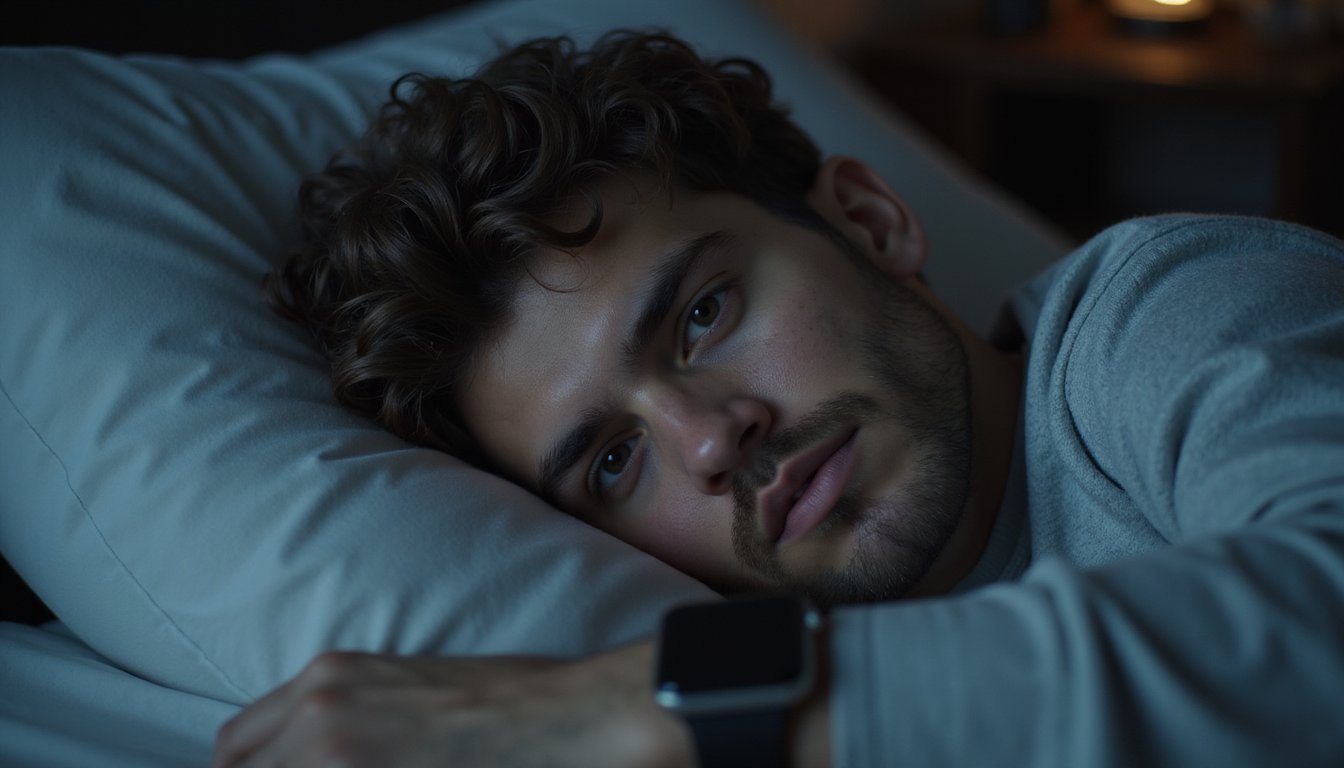
Once you’ve established a consistent nighttime routine after therapy sessions, tracking its effect on your sleep can reveal whether your habits genuinely support recovery. Wearable devices like the Oura Ring or Apple Watch monitor sleep stages, heart rate variability, and respiratory rate, providing objective data on how your evenings influence rest quality.
Non-wearable options, such as the Withings Sleep under-mattress analyzer, track heart rate and movement without requiring you to wear anything to bed. App-based tools like RISE measure time asleep through phone interactions, while the Oura app lets you log habits like caffeine intake to identify patterns.
Keep in mind these devices estimate sleep through movement and inactivity rather than direct brain wave measurement, making them less precise than polysomnography. They’re still valuable for spotting trends and refining your routine.
Adjust Your Nighttime Routine as Recovery Evolves
Recovery doesn’t follow a fixed timeline, and your nighttime routine shouldn’t either. As you progress, your needs shift, what worked in early recovery may require refinement months later. Adapting your routine strengthens coping mechanisms and reduces relapse vulnerability tied to fatigue and poor sleep. Incorporating an evening intensive outpatient program can provide the structured support you need as you navigate this journey. This type of program allows for flexibility in scheduling while offering essential therapeutic resources. By balancing your evening commitments with self-care, you can fortify your recovery path.
Your recovery evolves, and so should your nighttime routine, adapting it protects your sleep, your coping skills, and your progress.
- Early recovery: Focus on establishing consistent sleep and wake times to stabilize circadian rhythms disrupted by prior substance use.
- Mid-recovery: Introduce mindfulness practices like journaling or meditation during your wind-down, and limit screens 30, 60 minutes before bed.
- Advanced recovery: Incorporate hobbies or productive evening activities to replace boredom and build automatic healthy responses.
Monitor how routine changes affect your sleep quality and emotional regulation. If trauma-related anxiety surfaces when patterns shift, tighten your wind-down cues and maintain your wake time.
Frequently Asked Questions
Can I Nap During the Day Without Disrupting My Nighttime Routine?
You can nap during the day without disrupting your nighttime routine if you’re strategic about it. Aim for 20, 30 minutes between 1 p.m. and 3 p.m. to align with your body’s natural energy dip. Napping later or longer can reduce your sleep drive and make it harder to fall asleep at night. Set an alarm to avoid oversleeping, and monitor how naps affect your evening rest and overall recovery progress.
What Should I Do if Nightmares Interrupt My Sleep After Therapy?
If nightmares interrupt your sleep after therapy, you should practice diaphragmatic breathing for about 10 minutes to manage acute distress. You can also try progressive muscle relaxation before bed as a preventative measure. If nightmares persist, ask your therapist about imagery rehearsal therapy, which helps you rescript nightmare content with less distressing scenarios. This approach shows effectiveness in approximately 77% of treated patients and can be completed in under 12 weeks.
Is It Okay to Eat a Small Snack Before Bedtime During Recovery?
Yes, you can eat a small snack before bedtime during recovery. A light, protein-rich or carbohydrate-based snack stabilizes your blood sugar overnight, preventing disrupted sleep, nightmares, and next-morning fatigue. Foods containing tryptophan also support serotonin and melatonin production, which regulate your sleep and emotions. However, you’ll want to keep portions small and finish eating at least one to two hours before bed to avoid discomfort, reflux, or reduced sleep quality.
How Do I Maintain My Nighttime Routine While Traveling for Treatment?
You can maintain your nighttime routine while traveling by streamlining your essentials into travel-sized products and sticking to a core cleanse, tone, and moisturize regimen twice daily. Don’t skip hydration, drink plenty of water and apply moisturizer before flights to combat dry cabin air. Prioritize 7-8 hours of sleep using a sleep mask and earplugs, as quality rest supports emotional regulation and reinforces the coping strategies you’re building in treatment.
Should My Nighttime Routine Change on Weekends Versus Therapy Session Nights?
Yes, you should adjust your routine on therapy nights compared to weekends. After sessions, prioritize shorter wake time and longer total sleep time to support memory consolidation of what you’ve learned. Build in a wind-down window with stretching, hydration, and progressive muscle relaxation to ease the “therapy hangover.” On weekends, you can maintain your baseline routine without that extra recovery focus, while still keeping consistent sleep hygiene habits.