






Passive suicidal thoughts are wishes or fantasies about dying, like hoping you won’t wake up, without a specific plan or intent to act. They signal deep emotional pain often rooted in depression, trauma, or overwhelming life stress. While they carry lower immediate risk than active ideation, they still require attention because they can escalate. If you’re experiencing persistent hopelessness or these thoughts resist your usual coping strategies, it’s time to seek professional support. Understanding the causes and warning signs can help you take the next step.
What Are Passive Suicidal Thoughts?
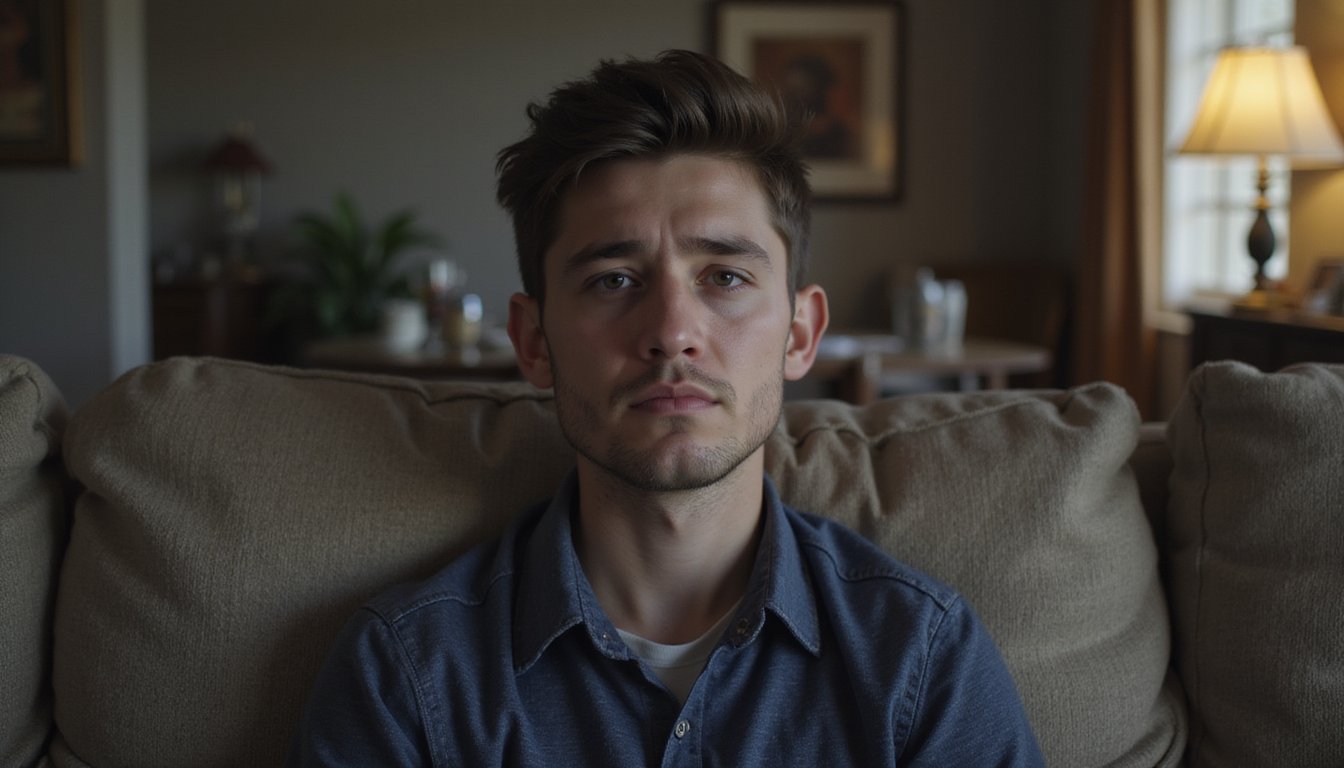
Passive suicidal thoughts involve wishes about dying or not being alive without an active plan or intent to end your life. You might think, “I wish I wouldn’t wake up tomorrow” or “It would be easier if I weren’t here.” These thoughts consist of feelings and desires rather than actionable steps, which distinguishes them from active suicidal ideation.
Understanding the meaning of passive suicidal thoughts can help reduce the shame and confusion you may feel. These thoughts often emerge during periods of depression, emotional exhaustion, or deep distress that feels unbearable. While they don’t involve specific planning, they signal significant emotional pain that deserves attention. You shouldn’t dismiss them, they’re a meaningful indicator that it’s time to seek support. It’s important to recognize that suicidal ideation exists on a spectrum from passive to active, and the intensity of these thoughts can shift over time, making early acknowledgment essential.
Passive vs. Active Suicidal Ideation: What’s the Difference?
While both passive and active suicidal ideation involve thoughts about death, they differ fundamentally in intent and planning. Understanding passive suicidal ideation vs active suicidal ideation helps you recognize where you stand and what support you need.
- Passive ideation involves wishing for death without a specific plan to act.
- Active ideation includes deliberate intent with a defined method or timeframe.
- Passive ideation carries lower immediate risk but still warrants professional evaluation.
- Active ideation often requires emergency intervention or hospitalization.
- Research suggests these aren’t points on a single continuum but distinct, highly related constructs.
Both forms deserve thorough assessment. If you’re experiencing either type, reaching out to a mental health professional is an important step. It’s also worth noting that intrusive thoughts about self-harm can sometimes be confused with suicidal ideation, so professional guidance helps clarify the distinction between the two.
Warning Signs of Passive Suicidal Thoughts

Because passive suicidal thoughts don’t always look like a crisis, they’re often missed by the people experiencing them and by those around them. Recognizing the warning signs of passive suicidal ideation early can help you seek support before thoughts intensify.
You may notice persistent feelings of hopelessness, emotional numbness, or a loss of interest in activities you once enjoyed. Withdrawing from relationships, neglecting self-care, or increasing alcohol or drug use are also significant indicators. You might express thoughts like “I don’t want to be here anymore” or find yourself preoccupied with death without forming a specific plan.
Sleep disruptions, chronic fatigue, and reckless behavior without concern for your safety further signal that something deeper needs attention. Sudden mood swings or giving away personal possessions to loved ones can also indicate a shift that shouldn’t be overlooked. These signs deserve compassionate, professional evaluation.
What Causes Passive Suicidal Thoughts?
Understanding what drives passive suicidal thoughts can help you make sense of an experience that often feels overwhelming or inexplicable. Research identifies several interconnected factors that explain what causes passive suicidal thoughts: In recent studies, the passive suicidal thoughts prevalence has shown an alarming increase among various demographics. Understanding these trends can lead to more effective prevention strategies and targeted support for those affected.
- Traumatic events and early-life adversity: Childhood abuse, neglect, or trauma can produce lasting psychological effects, including chronic suicidal ideation.
- Challenging life circumstances: Financial hardship, job loss, relationship breakups, or serious illness can trigger these thoughts when coping resources feel depleted.
- Discrimination and lack of social acceptance: LGBTQIA+ individuals and those experiencing racial trauma face heightened vulnerability.
- Biological and genetic factors: HPA axis dysregulation and genetic predisposition influence your susceptibility to suicidal ideation.
- Lack of social support and isolation: Limited connections and withdrawal directly correlate with increased severity of passive suicidal thoughts.
Mental Health Conditions That Increase Risk

Certain mental health conditions can greatly increase your risk of experiencing passive suicidal thoughts. Depression is one of the strongest predictors, but anxiety disorders, substance use disorders, and OCD can also contribute by intensifying emotional pain, impairing coping mechanisms, and distorting how you perceive your circumstances. Understanding which conditions elevate your risk can help you and your treatment providers develop more targeted, effective strategies for safety and recovery.
Depression and Anxiety Disorders
When depression takes hold, it doesn’t just affect your mood, it reshapes how you experience daily life, often draining motivation for activities that once brought joy and making passive suicidal thoughts more likely to surface. Research strongly links depression and passive suicidal thoughts, with major depressive disorder greatly increasing suicidal ideation risk.
Anxiety disorders further compound this vulnerability:
- Generalized anxiety disorder, PTSD, panic disorder, and OCD can each contribute to suicidal thoughts
- Approximately 26% of primary care patients with anxiety disorders endorse passive suicidal ideation
- Anxiety symptom severity directly correlates with increased suicidal ideation
- Comorbid depression and anxiety significantly elevate suicide risk beyond single diagnoses
- Low social support uniquely increases your likelihood of suicidal behavior
When both conditions coexist, you’re facing a greater mental illness burden requiring thorough treatment.
Substance Abuse and OCD
Although OCD and substance abuse might seem like unrelated conditions, they share deep neurobiological and genetic connections that greatly amplify the risk of passive suicidal thoughts. If you’re living with OCD, you face a 3.7-fold elevated risk of substance misuse, with sedative-related disorders showing a striking 10.5-fold increase.
You might turn to substances to suppress exhausting, obsessive thoughts, seeking temporary relief that feels like normalcy. However, this self-medication cycle becomes one of the significant causes of passive suicidal thoughts, as long-term substance use worsens OCD symptoms despite initial relief. Genetic factors explain 56% of the covariance between these conditions, meaning your vulnerability isn’t a personal failing. If you’re managing both conditions, integrated treatment addressing the neurobiological overlap can help you break this compounding cycle.
How Trauma and Life Stress Trigger Passive Suicidal Thoughts
Trauma and ongoing life stress don’t just cause emotional pain, they reshape how your mind processes safety, hope, and the future. When passive suicidal ideation is explained in clinical terms, it often traces back to cumulative adversity that erodes your psychological defenses.
Key triggers include:
- Childhood abuse or neglect, which establishes long-term patterns of negative self-talk and diminished self-worth
- Financial hardship, creating persistent beliefs that escape through death, is your only option
- Relationship loss or divorce, intensifying isolation and despair
- Chronic illness or pain, generating exhaustion that makes death feel like relief
- Systemic discrimination, compounding hopelessness through social exclusion and limited support access
These stressors don’t operate in isolation, they interact, amplifying your vulnerability when multiple pressures converge simultaneously.
Healthy Ways to Cope With Passive Suicidal Thoughts
Because passive suicidal thoughts often persist beneath the surface, even without a clear plan or intent, they require deliberate, structured coping strategies rather than silence or avoidance. Among the most effective healthy ways to cope with passive suicidal thoughts is building a reliable support network. Identify trusted confidants, maintain regular contact, and connect with support groups to reduce isolation.
Prioritize consistent sleep, balanced nutrition, and regular exercise. Practice daily mindfulness and grounding techniques, box breathing or paired muscle relaxation can strengthen self-regulation within minutes.
Seeking mental health support for passive suicidal thoughts through professional therapy helps you process emotions safely and develop stronger coping skills. Create a written safety plan listing emergency contacts, coping strategies, and meaningful activities that reinforce purpose.
When to Seek Professional Help
Healthy coping strategies and safety plans provide meaningful support, but there are times when passive suicidal thoughts signal a need for direct professional intervention. Knowing when to seek help for passive suicidal thoughts can prevent escalation and connect you with appropriate care.
Reach out to a professional if you’re experiencing:
- Hopelessness or thoughts of self-harm that persist despite coping efforts
- Daily functioning difficulties that feel nearly impossible to overcome
- Substance use increases as your primary coping mechanism
- Isolation from relationships, combined with constant sadness
- Ideation that resists your typical coping strategies and intensifies over time
Contact the 988 Suicide & Crisis Lifeline by phone or text. If you can’t commit to staying safe for 24 hours, seek emergency evaluation immediately.
Reach Out Today and Find Real Support
Living with suicidal thoughts can feel isolating and frightening, but professional care can make a meaningful difference. At Quest Wellness Center in Los Angeles County, our experienced team provides trusted Suicidal Ideation Treatment with care, compassion, and a personalized approach. Call (818) 275-9810 today and take the first step toward healing.
Frequently Asked Questions
Can Passive Suicidal Thoughts Go Away on Their Own Without Treatment?
Passive suicidal thoughts sometimes fade on their own, especially when they’re linked to a temporary stressor that resolves. However, you shouldn’t count on them disappearing without support. Without treatment, these thoughts can persist, intensify, or return during future periods of stress or depression. You’re more likely to experience lasting relief when you work with a mental health professional who can help you address underlying causes and build effective coping strategies.
Are Passive Suicidal Thoughts a Normal Part of Grieving a Loss?
Passive suicidal thoughts can emerge during grief, especially after losing someone close to you. While grief naturally brings intense emotional pain, hopelessness, and exhaustion, thoughts like “I wish I weren’t here” aren’t a typical or expected part of the grieving process. They signal that your emotional distress has reached a level that deserves professional support. You don’t have to navigate this alone, reaching out to a mental health professional can help you grieve more safely.
How Do Passive Suicidal Thoughts Affect Relationships With Family and Friends?
Passive suicidal thoughts can lead you to withdraw from people you care about, creating emotional distance that strains your closest relationships. You might feel like a burden or believe your absence won’t matter, which deepens isolation. Over time, this detachment makes it harder to communicate what you’re experiencing. However, maintaining trusted connections serves as a protective factor, confiding in dependable people can reduce emotional burden and strengthen your resilience.
Can Medications Cause or Worsen Passive Suicidal Thoughts as a Side Effect?
Yes, certain medications can cause or worsen passive suicidal thoughts as a side effect. Antidepressants, particularly SSRIs, carry an FDA black box warning for increased suicidal ideation, especially in younger patients. Benzodiazepines, some mood stabilizers, and even non-psychiatric drugs like montelukast can also contribute. If you’re experiencing these thoughts after starting or changing a medication, don’t stop on your own, contact your doctor immediately for close monitoring and guidance.
How Can I Support Someone Experiencing Passive Suicidal Thoughts Without Overreacting?
You can support someone by listening calmly, without judgment or panic. Validate their feelings by saying something like, “I’m glad you told me,” rather than rushing to fix things. Avoid minimizing their experience or reacting with alarm, as both can shut down communication. Gently encourage them to connect with a mental health professional. Check in regularly and maintain consistent support while also setting healthy boundaries to protect your own well-being.