






You’ll achieve the best outcomes with integrated treatment programs that address both your PTSD and addiction simultaneously, rather than treating one condition at a time. These dual-diagnosis approaches combine trauma-focused therapies like prolonged exposure or EMDR with substance use treatment, leading to greater reductions in both PTSD symptoms and substance use days. Many programs also incorporate medications like naltrexone or prazosin to support your recovery. Understanding your specific treatment options can help you find the thorough care that matches your needs.
Why Integrated Treatment Outperforms Standard Addiction Care for PTSD

When you’re facing both PTSD and addiction, standard treatment approaches that address only one condition often fall short. Integrated treatment outperforms traditional care by simultaneously targeting both disorders, leading to greater reductions in substance use days and PTSD symptom severity. You’ll experience improved accessibility through inclusive services delivered within a single program, eliminating the need to navigate separate treatment systems. This approach also promotes reduced stigma by recognizing trauma and addiction as interconnected conditions rather than isolated problems. The evidence shows you’re more likely to attend therapy sessions consistently and maintain improvements at 6- and 12-month follow-ups. Programs incorporating the Trauma Recovery and Empowerment Model typically include around 10 sessions focused on addressing trauma while building recovery skills. Research indicates that exposure-based therapies are regarded by the Institute of Medicine as the most effective approach for PTSD treatment. By addressing the root causes of both conditions together, integrated treatment provides the coordinated care necessary for lasting recovery.
Trauma-Focused Therapies That Work Alongside Substance Use Treatment
Although traditional treatment models once required complete abstinence before addressing trauma, evidence-based therapies now effectively treat PTSD and substance use disorder simultaneously. Modified prolonged exposure (mPE) integrated with addiction care produces 75.8% clinical improvement in trauma symptoms while maintaining 85.7, 97.9% days abstinent. You don’t need to wait for complete sobriety to begin healing from trauma.
Integrated treatment safely addresses PTSD and substance use together, you don’t need complete sobriety to start healing from trauma.
COPE (Concurrent Treatment of PTSD and Substance Use) delivers integrated therapy through 12 sessions, demonstrating that imaginal exposure doesn’t increase cravings or worsen symptoms. Trauma-focused remote treatments now provide accessible options, achieving reliable clinical change in 76.9% of patients. Research with participants reporting a median of 8 traumatic events shows that exposure-based therapies work effectively even for individuals with extensive trauma histories. Intensive treatment programs combining prolonged exposure and EMDR over concentrated timeframes demonstrate significant symptom reduction with high treatment retention. Studies demonstrate that reductions in PTSD severity predict improvements in substance use patterns, supporting the value of addressing trauma directly.
Key benefits of integrated trauma-focused therapy:
- Treatment proceeds safely during active substance use (excluding acute intoxication)
- Depression and PTSD symptoms improve simultaneously
- Harm-reduction approaches allow individualized substance use goals
Comparing Outcomes: Dual-Diagnosis Programs vs. Addiction-Only Approaches

If you’re weighing treatment options, research consistently demonstrates that dual-diagnosis programs, those addressing both PTSD and substance use simultaneously, outperform addiction-only approaches across multiple outcome measures. Integrated treatments yield greater reductions in both substance use severity and PTSD symptoms, with combined therapy plus pharmacotherapy showing the most substantial effects (effect size d, -2.00 at 12 months for PTSD symptoms). You’ll likely experience better long term symptom reductions with dual-diagnosis care compared to single-focus interventions. These programs also demonstrate superior therapy engagement rates and treatment retention, despite the additional complexities comorbid conditions present. A comprehensive systematic review and meta-analysis of 36 studies involving over 4,000 patients confirmed these treatment advantages across diverse populations. Conversely, addiction-only therapies show minimal impact on trauma symptoms and produce smaller substance use improvements. The traditional sequential model approach, which required complete abstinence before addressing trauma, has been largely superseded by integrated treatment frameworks. Evidence from randomized trials supports dual-diagnosis programs as best practice for sustainable recovery. Studies show that women with both disorders exhibit more severe clinical profiles than those with only one condition, underscoring the critical need for integrated treatment approaches.
Breaking Down Barriers to Care With Harm-Reduction Models
Traditional abstinence-based treatment systems inadvertently exclude many individuals who need care most, particularly those managing both PTSD and substance use disorders. Harm-reduction models dismantle these barriers by offering low-threshold services without requiring immediate abstinence. You’ll find walk-in access, mobile outreach, and peer-led engagement that reduce stigma and foster trust, essential for trauma survivors wary of judgment.
These programs integrate holistic health services, including mental health screening, trauma-informed counseling, and overdose prevention tools like naloxone. By respecting your autonomy to set personal goals, harm reduction empowers incremental progress rather than demanding perfection. This client-centered approach has demonstrated effectiveness in improving mental health outcomes and overall well-being compared to traditional methods that insist on complete abstinence. Research has found no indications of iatrogenic effects from harm reduction interventions, meaning these approaches do not inadvertently worsen outcomes for clients. Harm reduction treats the whole person, addressing not only substance use but also emotional well-being and social functioning needs.
Key benefits include:
- Increased treatment retention through nonjudgmental, patient-centered environments
- Reduced overdose fatalities and infectious disease transmission via practical risk-reduction strategies
- Higher healthcare utilization rates among previously underserved populations with complex needs
The Role of Medication in Treating Co-Occurring PTSD and Addiction
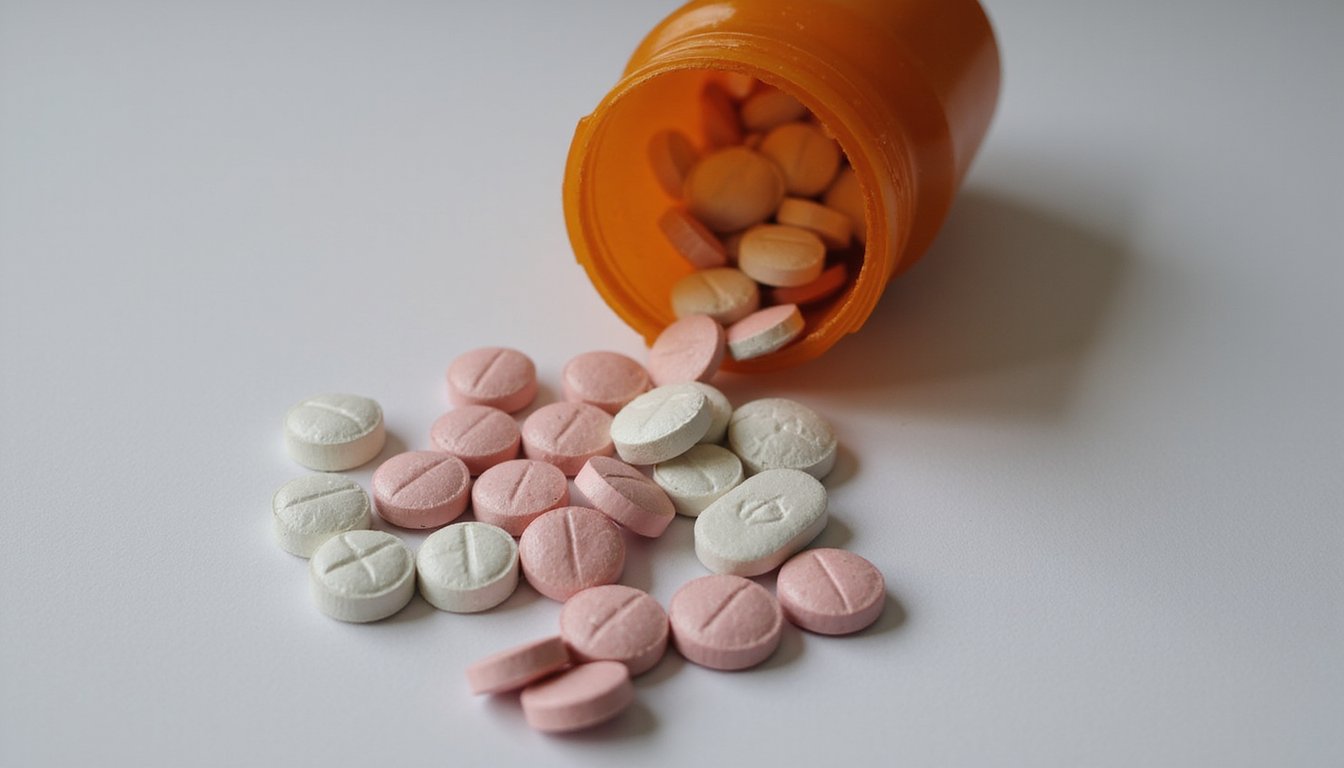
Medications can serve as powerful allies in your recovery from co-occurring PTSD and addiction, addressing both conditions simultaneously rather than treating them in isolation. Evidence-based medications like naltrexone have demonstrated effectiveness in reducing alcohol use while enhancing engagement in trauma-focused therapies such as Prolonged Exposure. When combined with psychotherapy, naltrexone produces greater reductions in both drinking and PTSD severity compared to either treatment alone. SSRIs, prazosin, and medications like topiramate offer additional options for managing symptoms across both disorders. Medication safety profiles remain favorable in comorbid populations, with close monitoring ensuring ideal outcomes. These pharmacological interventions don’t replace psychosocial treatment; they enhance it by reducing cravings and withdrawal symptoms, allowing you to participate more fully in the therapeutic work necessary for lasting recovery. Understanding your specific neurobehavioral risk factors, such as anxiety sensitivity and impulsivity, can help clinicians determine which medications will be most effective for your unique presentation. It’s important to note that ongoing benzodiazepine treatment does not alleviate core PTSD symptoms and is associated with particular harms in patients with both conditions, though short-term use may help manage acute alcohol withdrawal. Behavioral therapies remain the primary treatment modality for PTSD/SUD, working in tandem with medications to address the psychological aspects of both conditions.
Frequently Asked Questions
How Long Does Integrated Treatment for PTSD and Addiction Typically Last?
Integrated treatment for your PTSD and addiction typically lasts 2-4 months, involving 8-15 weekly sessions of 45-90 minutes each. You’ll begin with medically assisted detoxification and a thorough dual diagnosis assessment to identify both conditions. Most participants complete around 12 sessions, with 62% finishing the full program. If you need intensive outpatient care, you’ll attend 6-8 weeks of treatment followed by 12 weeks of continuing care to support your long-term recovery.
Can I Start Trauma Therapy if I Recently Relapsed on Substances?
Yes, you can start trauma therapy even after a recent relapse. Evidence shows integrated treatment is safe and effective regardless of recent substance use. Your readiness for change matters more than perfect abstinence. Therapists will work with you to identify triggers for relapse while addressing trauma simultaneously. This concurrent approach actually improves both PTSD and substance use outcomes better than waiting. Relapse is part of recovery, not a disqualifier for beginning trauma-focused treatment.
What Credentials Should Therapists Have for Treating PTSD and Addiction Together?
Look for therapists with dual credentials: a mental health license (psychologist, clinical social worker, or professional counselor) plus addiction certification (CADC or SUDCC). They should have specialized training in evidence-based practices like EMDR, CPT, or Prolonged Exposure for PTSD, combined with addiction-focused interventions. Trauma-informed care training is essential, it guarantees your provider understands how trauma influences substance use and won’t retraumatize you during treatment. This dual expertise optimizes your recovery from both conditions simultaneously.
Are Integrated Treatment Programs Covered by Most Insurance Plans?
Yes, most private insurance plans cover integrated treatment programs, especially those purchased under ACA requirements. The Mental Health Parity Act mandates comparable coverage for mental health and addiction services. However, insurance coverage details vary considerably by policy, including plan deductible requirements, copays, and network restrictions. You’ll need to verify your specific benefits, as approved in-network facilities typically offer better reimbursement. Contact your insurer directly or work with treatment centers’ insurance specialists to confirm your eligibility and minimize out-of-pocket costs.
How Do I Find a Clinic Offering Integrated PTSD and Addiction Care?
Use SAMHSA’s online treatment locator to search facilities offering co-occurring disorder care in your area. Look for programs specifically listing trauma-informed services and integrated treatment models. When evaluating options, ask about evidence-based therapies like Seeking Safety, medication management for both conditions, and support groups addressing dual diagnosis. Verify that clinicians have cross-training in PTSD and addiction. Consider facilities with accreditation and higher completion rates, as only 55% of clients finish integrated programs.