






Three years ago, Brandon Clarke signed a $52 million contract with the Memphis Grizzlies. This week, paramedics found him dead at 29 in a San Fernando Valley home, with drug paraphernalia at the scene. Between those two moments sat a torn Achilles, a PCL injury, two lost seasons, and an arrest for drug possession in April. Clarke’s story isn’t an outlier. Research on retired professional athletes shows that prescription opioid use during a career is a strong predictor of later misuse, and athletes face higher rates of depression, anxiety, and addiction after every serious injury. The risk runs deeper than most people realize, and so does the path out. For athletes and the people who love them, recognizing the warning signs early is often the only real protection against a story like Clarke’s.
What Happened to Brandon Clarke
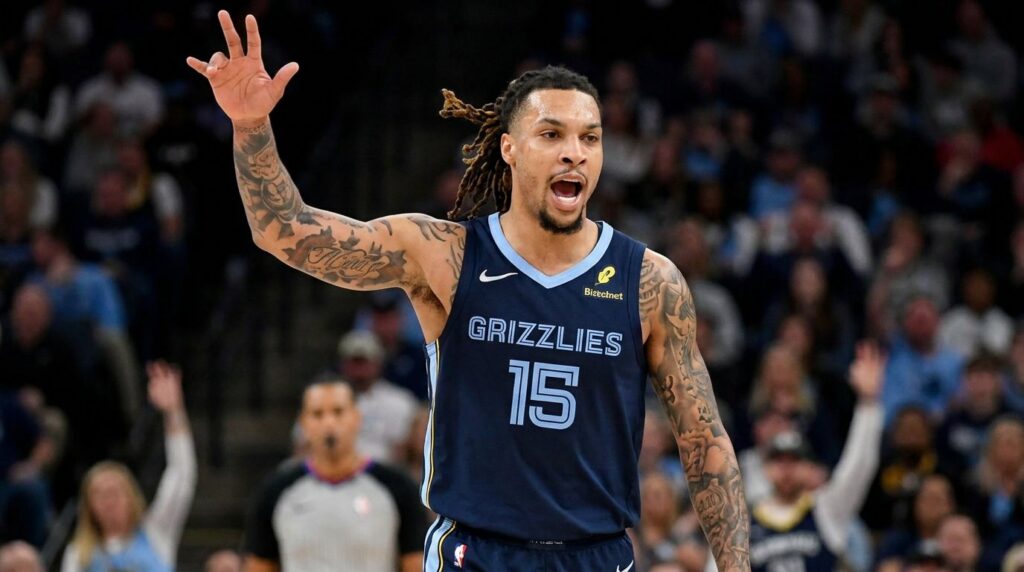
On Monday, May 11, the Los Angeles Fire Department responded to a medical emergency in the San Fernando Valley. When paramedics arrived, they declared Memphis Grizzlies forward Brandon Clarke dead at the scene. He was 29. According to the Associated Press, drug paraphernalia was found in the home, and the incident is being investigated as a possible overdose. An autopsy will determine the official cause of death.
Clarke played all seven seasons of his NBA career with the Grizzlies after being drafted 21st overall in 2019. He was named to the All-Rookie First Team in his first season and signed a four-year, $52 million extension in 2022. But injuries dominated the back half of his career. A torn Achilles in March 2023 limited him to six games the next season, and a PCL injury cut his 2024-25 season short. He appeared in only two games this past season.
In April, Clarke was arrested in Arkansas on charges of speeding and possession of a controlled substance, reportedly kratom. He was released and expected to rejoin the Grizzlies next season.
Why Professional Athletes Are at Higher Risk for Addiction
Clarke’s career arc mirrors a pattern researchers have tracked for decades: early stardom, repeat injuries, fewer minutes, legal trouble. Athletes don’t come to substance use through the same doors as the general population. They come through pain management, performance pressure, and the psychological weight of losing the thing that defined them.
Chronic Pain and Prescribed Opioids
The most-cited research in this area comes from a Washington University School of Medicine study of retired NFL players, which found that 52% used prescription opioids during their playing days, and 71% of those reported later misuse (Cottler et al., Drug and Alcohol Dependence). NBA-specific data is more limited, but the underlying mechanism is the same across professional sports. Pain is treated with opioids prescribed by team-affiliated physicians, in season, for legitimate injuries. What starts as post-surgical or in-season pain management becomes dependence, and dependence becomes opioid use disorder.
Injury, Identity, and Mental Health
Serious injury triggers a cascade few outside professional sports understand. Studies show injured athletes experience rates of depression and anxiety significantly higher than their healthy peers, and that risk climbs further during forced retirement (Rao & Hong, Sports Health, 2016). When your body, your career, your income, and your sense of self all fail at once, substances become a way to manage grief, sleep, and pain at the same time.
Stigma and Delayed Help-Seeking
Athletes are trained to push through. Disclosing mental health or substance issues can threaten roster spots, endorsement deals, and locker-room standing. Most don’t enter treatment until a crisis forces the issue: an arrest, an overdose, a public incident. By then, the disorder has often progressed for years.
Substances Most Commonly Misused by Athletes
The substances that show up in athlete addiction cases tend to fall into predictable categories tied to performance, pain, and recovery.
| Substance Category | Why Athletes Use It | Primary Risk |
|---|---|---|
| Prescription opioids (oxycodone, hydrocodone) | Pain management after injury or surgery | Physical dependence, fatal overdose |
| Benzodiazepines (Xanax, Klonopin) | Anxiety, sleep, pre-game nerves | Respiratory depression when mixed with opioids or alcohol |
| Alcohol | Social pressure, sleep, decompression | Sleep disruption, mental health decline, polysubstance use |
| Stimulants (Adderall, cocaine) | Energy, focus, weight management | Cardiac events, addiction, masking exhaustion |
| Kratom and unregulated supplements | Pain relief, opioid alternative | Dependence, contamination, legal exposure |
| Cannabis | Pain, anxiety, sleep | Dependence, motivation loss, league policy violations |
How an Intensive Outpatient Program Helps Athletes
Inpatient rehab isn’t always the right fit for high-functioning adults who need treatment that works around training, travel, family, and privacy. An IOP delivers structured, evidence-based care 9 to 12 hours per week while you continue living at home. For athletes, the format matters.
Evidence-Based Therapies That Address Root Causes
Effective programs don’t just treat the substance. They treat what’s underneath. For athletes, that usually means co-occurring trauma, depression, and identity loss. Core modalities include:
- Cognitive Behavioral Therapy (CBT). Restructures the thought patterns that drive cravings and relapse.
- EMDR. Processes the trauma of career-ending injuries, abuse, or grief.
- DBT. Builds distress tolerance and emotion regulation, both critical during retirement transitions.
- Transcranial Magnetic Stimulation (TMS). A non-invasive, drug-free option for treatment-resistant depression that often co-occurs with addiction in retired athletes.
- Medication-Assisted Treatment (MAT). For opioid use disorder, options like buprenorphine cut overdose risk significantly.
Dual Diagnosis Care
Roughly half of people with a substance use disorder also have a co-occurring mental health condition (SAMHSA, 2022 NSDUH). Treating one without the other rarely holds. Dual diagnosis programs treat both at the same time, in the same setting, with the same care team.
Warning Signs You or Someone You Love May Need Help
Addiction in athletes, current or retired, often hides behind training, injury rehab, and the assumption that someone in elite physical shape can’t possibly have a problem. The signs to watch for:
- Escalating use of prescribed pain medication beyond the prescribed dose or duration
- Doctor shopping or seeking prescriptions from multiple providers
- Withdrawal symptoms (nausea, sweating, anxiety, insomnia) when not using
- Pulling away from family, teammates, or social commitments
- Mood changes like depression, irritability, or hopelessness, particularly after injury
- Legal trouble, financial problems, or possession charges
- Increasing tolerance, or needing more of the substance to get the same effect
If you recognize several of these in yourself or someone close to you, waiting for a crisis is the most dangerous thing you can do.
Get Help at Quest Wellness Center
Brandon Clarke’s death shows that addiction doesn’t care about contracts, championships, or how strong someone looks on the outside. It moves fast, it hides well, and it kills people who seemed untouchable.
If you or someone you love is struggling with substance use, depression, or the aftermath of a career-altering injury, you don’t have to wait for the worst to happen. Quest Wellness Center offers confidential, evidence-based IOP and PHP programs in North Hollywood, California, for adults who need real treatment without losing their life in the process. Our team treats opioid use disorder, alcohol addiction, dual diagnosis conditions, and complex trauma using CBT, EMDR, DBT, TMS, and medication-assisted treatment.
Call (818) 275-9810 or verify your insurance online to speak with our admissions team today. All calls are confidential.
Frequently Asked Questions
Can I Attend an IOP While Still Working, Training, or Traveling?
Yes. Programs offer flexible scheduling with morning, midday, and evening session options, and online formats let you attend from anywhere with a stable internet connection. You’ll typically attend three-hour blocks three to five times weekly, which preserves the rest of your day for work, training, and family. This structure works for athletes, executives, and other adults who can’t step away from their lives for residential care.
Will My Insurance Cover Treatment for Substance Use or Co-Occurring Mental Health Conditions?
Most insurance providers cover IOP treatment as a medically necessary behavioral health benefit. You’ll commonly find coverage through Aetna, Blue Cross Blue Shield, Cigna, Humana, Tricare, and Optum. Your specific coverage depends on your plan’s terms, deductible, and state regulations. Quest Wellness Center’s admissions team can verify your benefits confidentially and identify any out-of-pocket costs before you start.
Do I Need to Complete Detox Before Starting?
It depends on the substance and the severity of your use. For opioids, benzodiazepines, and alcohol, medically supervised detox is usually the safest first step because withdrawal from these substances can be physically dangerous. Once you’re stabilized, structured therapy and skills training can begin. For substances like cannabis or stimulants, you may be able to enter directly. Your admissions team will complete a clinical assessment to determine the right level of care for you.
How Is Online IOP Different From Weekly Outpatient Therapy?
An online program gives you significantly more clinical contact than traditional weekly therapy. You’ll attend three to five sessions per week, each lasting about three hours, compared to a single hourly appointment. The format also integrates multiple evidence-based modalities like CBT, EMDR, DBT, TMS, and group therapy in a coordinated structure. That intensity helps when symptoms like cravings, withdrawal-related anxiety, or trauma flashbacks don’t respond to once-weekly sessions alone.
Can Therapy Be Combined With Medication for Opioid or Alcohol Addiction?
Yes. Many programs combine therapy with medication-assisted treatment (MAT) using FDA-approved medications like buprenorphine, naltrexone, or acamprosate. Combining therapy with medication significantly reduces overdose risk and improves long-term retention. You’ll work with your treatment team and a psychiatric provider to build a plan that addresses both the physical and psychological sides of recovery.