Verify Insurance
Fast • Secure • Confidential
Speak with our team today
Sherman Oaks sits a short drive from Quest Wellness Center, a Joint Commission accredited outpatient dual diagnosis program in North Hollywood, open to attend in person off Ventura or entirely by secure California video. The program treats a mental health condition and a co-occurring substance use disorder in one plan, across morning, afternoon, and evening tracks through PHP, IOP, and outpatient care.
One dual diagnosis pattern that can affect Sherman Oaks clients is anxiety alongside substance use intended to quiet it, and the relief may not last. A drink may take the edge off, a stimulant may push someone through the day, or a pill may help with sleep, only for the symptoms to return as the substance wears off. That rebound is the trap: the thing that lowers the anxiety for an hour raises it afterward, which drives the next use, and the loop tightens. Quest treats the loop head-on by working the anxiety and the substance use as one linked problem, so neither is left running to feed the other.
Depression, trauma, bipolar disorder, and ADHD spin up their own versions of the same cycle, and each is treated the same joined-up way.
Because a substance can wear the mask of the very condition it is worsening, the first real task is telling them apart. Heavy stimulant use can look exactly like an anxiety disorder; alcohol can deepen or imitate a depression; a psychiatric condition left untreated can pass for a substance problem on its own. A board-certified psychiatrist works out which conditions are genuinely present, how they act on one another, and which is driving which, and only then is the plan set. Get that reading right and the therapy and medication that follow land on the actual problem; get it wrong and months go to treating a shadow.
In essence a dual diagnosis is two co-occurring conditions, one psychiatric and one an addiction, locked together. Depression and anxiety head the psychiatric list, followed by trauma, bipolar disorder, and ADHD, against whatever substance is in play. It counts as one diagnosis because of that link, the condition feeding the use and the use turning back on the condition. Treat a single side and the other tends to undo the ground gained, and that is the reason both are held on one plan by one team.
Medication is led by a board-certified psychiatrist who works from inside the team, which matters twice over when anxiety and substance use come together, since some medications that calm anxiety carry their own risk of dependence and a prescriber blind to the use can make things worse. Seeing all of it, the psychiatrist can steer medication toward whatever is powering the use, an anxiety that will not settle, a low mood, bipolar swings, unmanaged ADHD, wrecked sleep, and bring it down far enough for the therapy to work. If an approved medication exists for the addiction itself, it joins the plan, and prescribing always runs with the therapy rather than instead of it.
The methods follow the pairing rather than a set script. Cognitive Behavioral Therapy works the anxious thinking and the triggers that keep both the symptoms and the use alive; Dialectical Behavior Therapy builds the means to ride out a wave of feeling without a substance; Motivational Interviewing meets a person at their genuine readiness. Should trauma be what sustains the using, the plan reaches for EMDR and trauma-focused care. Most of the clinical week is spent in topic-focused groups, with individual sessions for more personal concerns. ACT, SFBT, psychodynamic therapy, and coordinated TMS care through Breakthrough TMS may be included when appropriate. Every group at Quest is led by a master’s-level therapist, supervised by licensed clinicians.
Quest runs three outpatient levels, and where a client from Sherman Oaks starts depends on how much the two conditions are disrupting daily life.
PHP | IOP | OP | |
Weekly load | Several hours, most weekdays | Fewer hours across the week | Lightest, spaced sessions |
Fits | Needing daily structure to stabilize | Holding a job through treatment | Maintaining gains |
Tracks | Daytime | Morning, afternoon, evening | Flexible |
Format | In-person or telehealth | In-person or telehealth | In-person or telehealth |
Partial Hospitalization is the most intensive, for people who need daily structure to steady both conditions. The intensive outpatient program in Encino steps down to fewer weekly hours across morning, afternoon, and evening tracks while allowing Sherman Oaks residents to maintain more of their regular daily routine.
Outpatient maintains progress once things settle. The same team carries you across all three, and most clients step down through them as they stabilize.
When anxiety drives the use, the question of whether a weekly hour still works answers itself over a run of days. The worry spikes on schedule and the substance answers it, a session gets pushed because the week ran over, sleep that slipped months ago never reset, and someone close finally speaks up. Each is easy to file away; in sequence they mark where weekly therapy ends and a several-day program begins. The intake assessment settles which level, in confidence and at no cost.
Quest Wellness Center accepts most commercial PPO plans with out-of-network benefits, and we verify your coverage before treatment begins. Use the Verify Insurance module on this page and we will confirm your benefits, usually within about fifteen minutes.
The facility is at 10736 Burbank Blvd, North Hollywood, CA 91601, a short drive from Sherman Oaks over Coldwater Canyon or on the 101, and the Get Directions link below opens the route from where you are. Clients farther west on the same corridor can also review dual diagnosis treatment in Encino and dual diagnosis treatment in Woodland Hills.. For the broader service area, see dual diagnosis treatment in Los Angeles. For anyone who would rather stay home, the same program runs by telehealth statewide. If medical stabilization is needed first, it comes before this level of care: Quest does not run inpatient detox, so the team coordinates it with Quest 2 Recovery, our own program, and brings you into integrated care afterward.
Quest Wellness Center is a short drive from Sherman Oaks at 10736 Burbank Blvd, North Hollywood, CA 91601, over Coldwater Canyon or the 101, with secure telehealth also available. You can do PHP, IOP, or outpatient care in the room or from home.
It can be. Using alcohol, stimulants, pills, or other substances to manage anxiety can create a cycle in which temporary relief is followed by worsening symptoms. Quest assesses the anxiety and the substance use together to determine what is happening and how both should be treated.
With your consent, family sessions can be part of a Sherman Oaks plan where they help, in person over the canyon or by video. Bringing in the people close to you often supports recovery, at a pace you control.
Yes. IOP and outpatient run morning, afternoon, and evening tracks, and telehealth removes the canyon drive, so treatment fits around a Sherman Oaks work or family schedule.
Sherman Oaks clients can receive treatment for anxiety, depression, PTSD and complex trauma, bipolar disorder, or ADHD alongside alcohol or drug use. The plan is built around the specific mental health and substance use conditions present.
Most commercial PPO plans with out-of-network benefits are accepted and coverage is verified before a Sherman Oaks client starts. Your plan can be checked through the Verify Insurance module on this page.
Breaking the rebound loop starts with an assessment. Call (818) 275-9810 or verify your coverage above and admissions will schedule it.
Verify Insurance
Fast • Secure • Confidential
Speak with our team today

MD, Board-Certified Psychiatrist
Marriage and Family Therapist Associate, MA
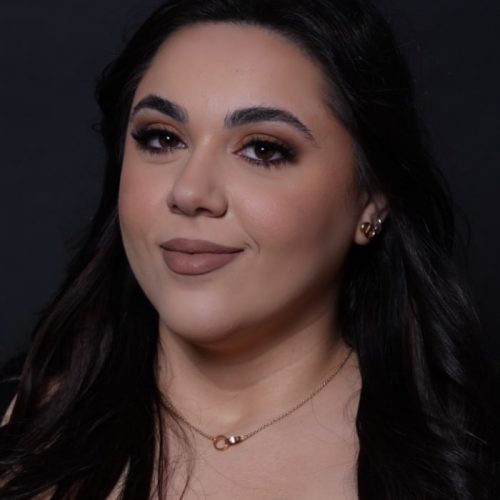
Medically reviewed by Dr. Neda Javaherian, MD, Board-Certified Psychiatrist, and Verta Keshishyan, AMFT (Associate Marriage and Family Therapist), registered with the California Board of Behavioral Sciences and supervised by Ari Labowitz, LMFT. Verta has three years of experience with the Department of Mental Health supporting low-income families and families in crisis.
We specialize in treatments for mental health issues and co-occurring disorders.
We concentrate on mental health treatments and co-occurring conditions.
We provide a personalized approach to care.
We possess many years of relevant experience and a strong track record of success.
Every group is led by a master’s-level therapist.
Our partial hospitalization and intensive outpatient programs provide choices for morning, afternoon, or evening sessions.
We offer case management grounded in clinical evidence.
Experience a secure setting that allows you to concentrate on healing and maintaining a healthy way of life.
We provide opportunities to engage with individuals at every phase of recovery.
We accept most commercial PPO plans with out-of-network benefits. Coverage and costs vary by plan, and we verify your benefits before treatment.
We accept most commercial PPO plans with out-of-network benefits. Coverage and costs vary by plan, and we verify your benefits before treatment.