





You’ll find five proven addiction treatments in 2025: Medication-Assisted Treatment using methadone or buprenorphine reduces opioid mortality by 50%, Cognitive Behavioral Therapy combined with Contingency Management achieves moderate effect sizes for relapse prevention, technology-assisted platforms expanding access through AI and telemedicine, neuromodulation therapies like rTMS targeting addiction circuits with effect sizes exceeding 0.5, and psychedelic-assisted therapy showing breakthrough results for trauma and sustained recovery. Each approach addresses addiction’s neurobiological roots through different mechanisms, and understanding how they work together can transform your recovery journey.
Medication-Assisted Treatment: Personalized Pharmacological Interventions for Opioid and Alcohol Use Disorders
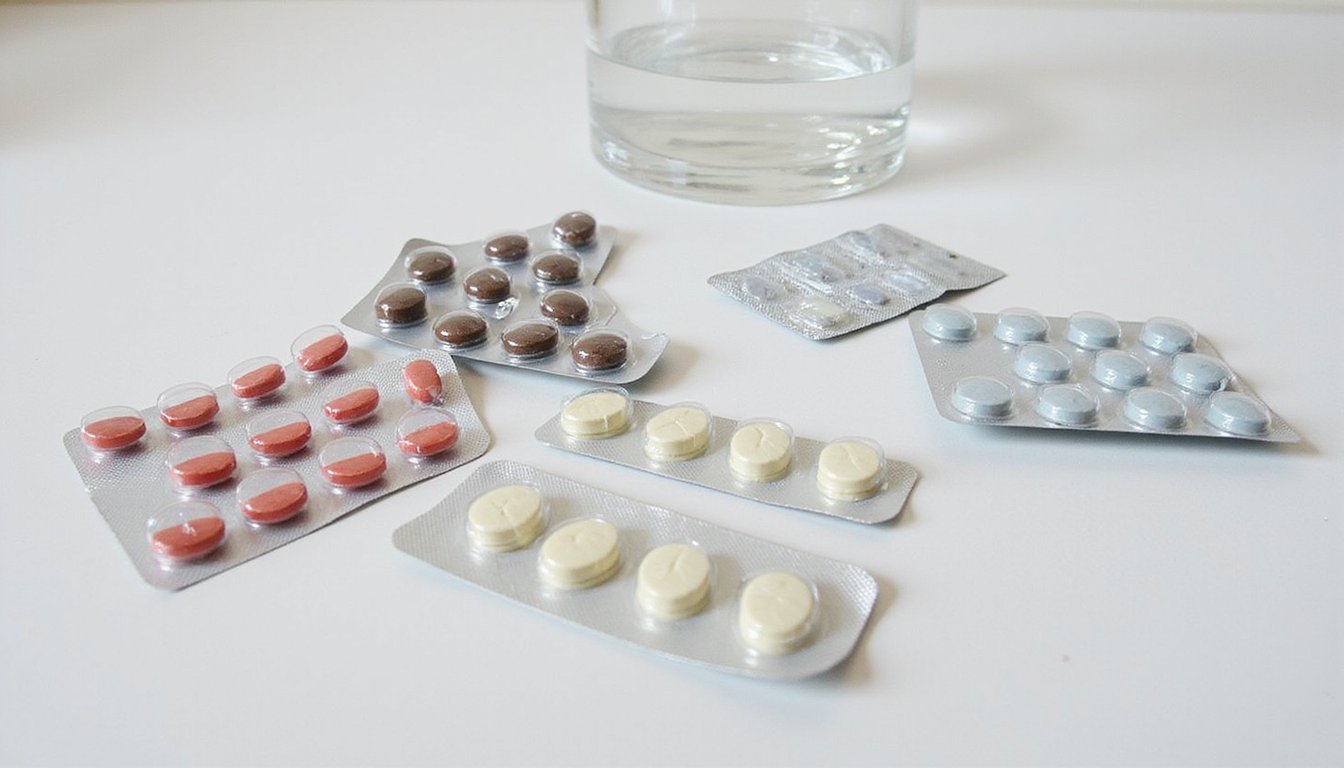
Medication-assisted treatment has transformed addiction care by replacing one-size-fits-all protocols with interventions tailored to each patient’s unique biological, psychological, and social circumstances. You’ll receive thorough assessments evaluating addiction severity, co-occurring mental health conditions, and genetic markers to determine ideal pharmacological choices. For opioid use disorder, methadone reduces mortality risk by 50% while buprenorphine increases treatment retention with lower misuse potential. Alcohol use disorder responds to naltrexone, acamprosate, or disulfiram based on your craving patterns and abstinence goals. This integrated addiction care approach combines medications with behavioral therapies matched to your specific needs, creating mind body wellness approaches that address both physiological dependence and psychological recovery. The treatment intensity and duration are continuously adjusted based on your progress and evolving needs throughout recovery. Precision in addiction care enables clinicians to move beyond standardized protocols toward truly individualized treatment plans. Personalized treatment approaches lead to higher success rates in achieving sustained recovery compared to standardized protocols. Research consistently demonstrates personalized MAT produces 2-3x higher retention rates and considerably improved long-term sobriety compared to non-medication interventions.
Cognitive Behavioral Therapy and Contingency Management: Proven Approaches for Relapse Prevention
Building on pharmacological foundations, cognitive behavioral therapy (CBT) and contingency management (CM) form the psychological backbone of modern relapse prevention strategies. You’ll benefit from CBT’s moderate effect size of 0.45, which targets automatic thoughts driving addiction while building coping skills for high-risk situations. Evidence-based protocols show strongest results at 1, 6 months post-treatment, particularly when you’re managing co-occurring depression or anxiety. CM reinforces your abstinence through tangible rewards for drug-free tests, often matching CBT’s short-term outcomes. Both approaches support long term abstinence by restructuring cognitive patterns and reinforcing positive behaviors. CBT’s functional analysis helps you dissect the specific relationship between your personal triggers and substance use behaviors, enabling more targeted intervention strategies. The therapy’s emphasis on long-term change rather than quick fixes distinguishes it from methods focused solely on achieving initial abstinence. CBT can be effectively implemented as monotherapy or adjunct to other treatments, providing flexibility in designing your individualized recovery plan. When your treatment team integrates these evidence-based methods with medication support, you’re accessing thorough care that addresses addiction’s psychological mechanisms while building sustainable recovery skills.
Technology-Assisted Treatments: Virtual Platforms and AI-Powered Tools Expanding Access to Care

As addiction treatment evolves beyond traditional clinical settings, technology-assisted interventions are bridging critical gaps in care access and delivery. Telemedicine grew over 50% in 2023, while virtual recovery platforms providing 24/7 support increased access by 19.3%. You’ll benefit from personalized AI models that analyze behavioral data to create individualized treatment plans and predict relapse risk, reducing hospital readmissions when integrated with clinical care. Wearable devices enable continuous remote monitoring of physiological markers like heart rate and stress levels, triggering real-time interventions when you’re most vulnerable. Virtual reality therapy offers controlled exposure treatment for cravings and triggers, while hybrid models combine digital convenience with face-to-face care. These digital tools provide real-time insights into individual progress, enabling clinicians to tailor treatment plans more effectively and ensure foundational approaches remain relevant to modern needs. Integrated evidence-based medications and behavioral interventions can reduce treatment dropout rates and improve long-term recovery outcomes. Trauma-informed care recognizes the profound impact of past experiences and ensures treatment is delivered with empathy and sensitivity throughout the recovery process. With only 14.6% of individuals currently receiving needed treatment, these technologies expand reach across underserved areas, reducing stigma and improving engagement throughout your recovery journey.
Neuromodulation Therapies: Brain-Based Interventions Targeting Addiction Circuits
When traditional therapies and medications fall short, neuromodulation offers a direct approach to rewiring the brain circuits that drive addiction. You’ll find rTMS targeting your left dorsolateral prefrontal cortex reduces cravings greatly, FDA-cleared for smoking, with trials advancing for opioids and stimulants. Effect sizes exceed 0.5 across 985 patients in systematic reviews. tDCS provides a portable, inexpensive option with medium effects when you’re receiving repeated sessions. For treatment-resistant cases, deep brain stimulation of your nucleus accumbens achieves 50% complete abstinence rates, normalizing dopamine dysfunction. Closed-loop DBS systems can dynamically adjust stimulation based on neural biomarkers, offering personalized treatment responses. Focused ultrasound emerges as non-invasive DBS alternative, eliminating surgical risks. These interventions complement neurofeedback techniques and holistic mind-body approaches, creating extensive treatment plans. Safety profiles remain favorable across modalities, though you’ll need multiple sessions for sustained benefit. rTMS demonstrates little risk beyond local discomfort when administered according to recommended guidelines, with minor side effects reported. The treatment works by rebalancing the addiction pathways through repeated electromagnetic stimulation that modifies brain circuit connectivity over time.
Psychedelic-Assisted Therapy: Breakthrough Treatments for Trauma and Sustained Recovery

Beyond electrical and magnetic interventions that modulate brain circuits from outside, psychedelic-assisted therapy works from within, fundamentally altering the neural networks that sustain addiction and trauma. Psilocybin-assisted therapy demonstrates the strongest evidence for alcohol use disorder, while MDMA shows remarkable efficacy for PTSD with effects lasting months after treatment. These substances activate serotonin 5-HT2A receptors, triggering increased neuroplasticity and reopening critical windows for behavioral change.
You’ll receive preparatory sessions, a supervised psychedelic experience, and integration therapy, essential components that anchor neurobiological shifts. Patient safety protocols include rigorous psychiatric screening and post-session monitoring in controlled settings. Addiction functions as a maladaptive neuroplasticity disorder, and psychedelics act as psychoplastogens that rapidly rewire pathological brain patterns established over years of substance dependence. Psychedelics uniquely disrupt the default mode network, which remains chronically overactive in both psychiatric and substance use disorders, enabling neural reorganization that promotes more flexible thought patterns. Though FDA approval remains pending as of 2025, these treatments offer transformative potential when combined with structured long term maintenance strategies and professional therapeutic support.
Frequently Asked Questions
How Much Do Evidence-Based Addiction Treatments Typically Cost in 2025?
Treatment costs for evidence-based addiction care average $13,475 per person, though you’ll find wide variation based on your needs. Inpatient programs run $6,000, $30,000 monthly, while outpatient options cost $2,000, $19,500. If you’re concerned about affordability, financial assistance through insurance can reduce your out-of-pocket expenses to zero, and state-funded programs offer sliding-scale options. Remember, every dollar you invest returns $4 in healthcare savings and $7 in reduced criminal justice costs.
Are Mindfulness and Holistic Therapies Covered by Insurance for Addiction Treatment?
Coverage depends on how they’re delivered. You’ll find mindfulness coverage policies increasingly support these therapies when integrated into evidence-based programs like CBT or DBT, rather than as standalone services. Holistic therapy reimbursement remains inconsistent; insurers typically require licensed providers and medical necessity documentation. Your best chance for coverage is through accredited addiction treatment centers that bundle mindfulness and holistic approaches within all-encompassing clinical programs. Always verify your specific plan’s benefits, as policies vary extensively by insurer and state.
Can GLP-1 Medications Like Semaglutide Be Prescribed Off-Label for Substance Use Disorders?
Yes, clinicians can legally prescribe GLP-1 medications off-label for substance use disorders, though it’s not standard care in 2025. You’ll find off-label prescribing guidelines permit this, but medication safety concerns are significant, including nausea, pancreatitis risk, and limited long-term data in addiction populations. Insurance likely won’t cover it, creating cost barriers. If you’re considering this option, discuss the experimental nature, potential benefits for cravings, and unknown relapse prevention effects with your provider.
How Long Does the Average Evidence-Based Addiction Treatment Program Last?
Evidence-based addiction treatment duration varies by program structure, but you’ll find the gold standard is 90 days minimum. Inpatient programs typically last 30, 90 days, while outpatient care extends 60, 120 days. Research shows stays under 90 days markedly increase your relapse risk. Your treatment duration depends on addiction severity, co-occurring disorders, and individual progress. Long-term residential programs may extend 6+ months for complex cases, offering you the best chance at sustainable recovery.
What Should Family Members Do to Support Someone in Addiction Treatment?
You should provide non-judgmental support by educating yourself about addiction as a medical condition, not a moral failure. Encourage counseling participation by attending family therapy sessions and learning healthy communication strategies. Set clear boundaries to avoid enabling behaviors while maintaining emotional connection. Help remove logistical barriers like transportation to treatment. Recognize relapse warning signs early and intervene compassionately. Your consistent involvement greatly improves treatment completion rates and long-term recovery outcomes for your loved one.