
Verify Insurance
Fast • Secure • Confidential
Speak with our team today
Brentwood IOP through Quest Wellness Center runs virtually across California, serving the Brentwood neighborhood of west Los Angeles, with in-person sessions at our North Hollywood facility. Sessions run 3 to 4 hours a day, 3 to 5 days a week, treating depression, anxiety, PTSD, trauma, and co-occurring substance use, across morning, afternoon, and evening tracks.
This page covers Brentwood in west Los Angeles, the neighborhood bounded roughly by Sunset, the 405, and San Vicente, not the Brentwood in Contra Costa County or the ones in Tennessee and Louisiana. Quest Wellness Center serves Brentwood residents through a statewide virtual program, with the physical facility at 10736 Burbank Boulevard in North Hollywood.
The drive between them is the Sepulveda Pass. Anyone who has made it at 8am or 5pm knows what that means. Fourteen miles on the map turns into 40 to 70 minutes in practice, and doing it three to five times a week around a 3 to 4 hour clinical session is not realistic for most people holding a job. The virtual track exists precisely for that situation.
Virtual IOP delivers the identical clinical program from your home in Brentwood. The same groups, the same individual therapy hours, the same case management, running on secure platforms across California. Nothing about the treatment is reduced because you are attending remotely. Many individuals seeking help are finding success through virtual intensive outpatient programs in Beverly Hills. These programs provide the same level of support and engagement as traditional outpatient settings.
That matters more on the Westside than almost anywhere else in the county, because the geography here defeats good intentions. People commit to in-person treatment, make the drive twice, and then start missing sessions. Missed sessions are the practical risk, and removing a 90-minute round trip removes the most common reason people miss them. In-person attendance at North Hollywood stays available, and hybrid arrangements let you combine both.
IOP fits adults who are medically stable but need substantially more than a weekly therapy hour. You get 9 to 20 clinical hours a week while continuing to live at home and hold a job or school schedule.
Two routes lead here. Stepping down from a partial hospitalization program or residential stay as symptoms settle. Or stepping up from weekly therapy when sessions have been useful but symptoms have outgrown what an hour can hold. Anyone in acute crisis, active withdrawal, or needing 24-hour supervision needs a higher level of care, and the admissions team will point you there rather than enrolling you in something that does not match.
Quest treats mental health conditions and any co-occurring substance use together rather than in sequence. The focuses are depression, anxiety and panic symptoms, PTSD and complex trauma, personality and mood disorders, suicidal ideation, and dual diagnosis.
Sequencing them rarely works. Treat the depression and leave the drinking, and the drinking pulls the depression back. Treat the substance use and leave the trauma driving it, and the relapse risk stays where it was. One plan covering both is the only version that holds.
The indicators are practical rather than clinical. You cancel sessions because the week ran away from you. Work output drops in a way colleagues have started noticing. Sleep or appetite shifted weeks ago and has not returned. A partner or close friend has said something directly rather than hinting. None of these settle a diagnosis on their own, but taken together they suggest the gap between what you need and what one hour a week provides has widened.
The assessment exists to make that call properly. It covers symptom history, prior treatment, current medications, and what you actually need from a program, and it produces an honest answer about whether IOP is the right level or whether something more or less intensive fits better. Asking costs nothing and the conversation stays confidential. Many individuals find that seeking help through IOP in Pasadena can significantly improve their wellbeing. This program offers tailored support that addresses unique needs while fostering a sense of community.
Quest runs morning, afternoon, and evening tracks with identical clinical content. The hour changes, the therapy does not.
Evening sits after the workday and requires no explanation to an employer. Morning suits people who would rather have treatment finished before the day begins. Afternoon fits parents around school hours and anyone stepping down from a higher level of care. Because virtual attendance eliminates travel, all three are genuinely available to you rather than only whichever one the traffic permits.
Length of stay follows clinical progress, not a set calendar, and your therapist sets that with you.
Each session combines group work, individual therapy, and case management across 3 to 5 days a week. Groups carry defined subjects rather than open conversation: psychoeducation, relapse prevention, co-occurring disorders, process-oriented work.
Individual therapy is private time with a licensed clinician to work through what group surfaces. Case management handles the practical layer, coordinating outside care and translating clinical work into daily routines. Sessions run on secure platforms with real-time therapy and progress monitoring. Medication management is available when your plan includes it.
Confidentiality is the concern people raise most about virtual treatment, particularly anyone whose professional life makes discretion matter. The platform is secure. Ask admissions about recording policy and anything else specific to confidentiality during the assessment.
The practical side falls to you. You need a room where you cannot be overheard, because group work only functions if you can speak honestly. A closed door, headphones, and a household that knows not to interrupt covers most situations. People in shared living arrangements sometimes schedule around when housemates are out. Raise it with admissions during the assessment if privacy at home is genuinely difficult, because it affects which track suits you.
Treatment opens with that clinical assessment, which sets your plan and confirms the level of care. From there you join whichever track you have chosen.
Early sessions carry more orientation than clinical depth. That is intentional, because group work only functions once people know each other well enough to speak plainly, and that takes a few meetings. By the second week most people have settled into the rhythm. Your therapist checks in across that stretch to adjust whatever is not working, whether that means changing tracks, moving your individual therapy slot, or coordinating with a Westside prescriber you already see.
Sessions draw on Cognitive Behavioral Therapy, Dialectical Behavior Therapy, Motivational Interviewing, and trauma-informed practice. CBT addresses the thought patterns behind mood symptoms and gives you tools to interrupt them. DBT builds emotion regulation and distress tolerance. Motivational Interviewing strengthens commitment to change wherever you are in the process.
Trauma-informed groups run throughout, using evidence-based interventions that help you understand symptoms and build resilience through a strengths-focused approach rather than requiring you to re-live events. The wider set includes EMDR, Acceptance and Commitment Therapy, Solution-Focused Brief Therapy, and psychodynamic therapy.
Brentwood residents starting IOP often already see a therapist or psychiatrist on the Westside. Those relationships stay intact. Case management coordinates with outside providers rather than displacing them. IOP in Los Angeles provides a collaborative approach to mental health care. Participants benefit from the comprehensive support offered by local resources, ensuring they remain connected to their existing treatment networks.
If you have a prescriber, the clinical team works with them instead of duplicating the medication relationship. If you have a therapist you intend to return to, that continuity gets planned from week one rather than assembled at discharge. Mention these relationships at the assessment, because they shape how the plan gets built.
Quest Wellness Center accepts most commercial PPO plans with out-of-network benefits, and we verify your coverage before treatment begins. What you pay depends on your plan, deductible, and coinsurance.
Verification runs about 15 minutes by phone. Where you sit in the plan year drives most of the variation, so someone six months into a deductible pays differently from someone starting in January. Virtual sessions are handled the same way as in-person under most plans, though your specific policy governs. The form on this page asks for your provider and member ID.
PHP | IOP | |
Hours per day | 5 to 6 hours | 3 to 4 hours |
Days per week | 3 to 5 days | 3 to 5 days |
Best for | Near-daily structure without overnight care | Holding work or school alongside treatment |
Virtual option | Available | Available |
Scheduling | Daytime | Morning, afternoon, or evening |
PHP is the level when symptoms need near-daily structure. IOP is the level when you can manage work or school with fewer clinical hours. The usual path runs PHP first, then IOP, then outpatient.
Yes. This page covers the Brentwood neighborhood of west Los Angeles. Quest serves it virtually across California, with the facility itself in North Hollywood.
No. The full program runs virtually from home in Brentwood. In-person attendance in North Hollywood is available if you want it.
Fourteen miles over the Sepulveda Pass, which runs 40 to 70 minutes at session hours depending on traffic.
Sessions run 3 to 4 hours a day, 3 to 5 days a week, totalling 9 to 20 hours.
Yes. The evening track runs for people working during the day and carries identical clinical content to the other two.
Most plans handle virtual and in-person the same way, though your policy governs. Verification confirms this before you start.
IOP is not a detox program and Quest does not provide detox. If medical detox is needed first, the team helps arrange it with an appropriate provider.
Yes. Case management coordinates with outside prescribers rather than replacing them.
Call (818) 275-9810 or use the verification form. Admissions checks benefits and books your assessment.
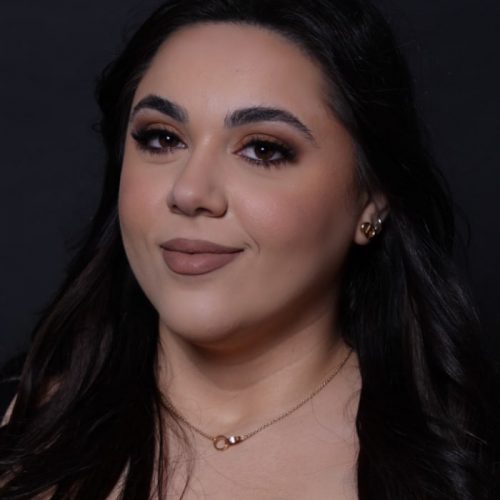
Marriage and Family Therapist Associate, MA
Medically reviewed by Verta Keshishyan, AMFT (Associate Marriage and Family Therapist), registered with the California Board of Behavioral Sciences and supervised by Ari Labowitz, LMFT. Verta has three years of experience with the Department of Mental Health supporting low-income families and families in crisis.
We specialize in treatments for mental health issues and co-occurring disorders.
We concentrate on mental health treatments and co-occurring conditions.
We provide a personalized approach to care.
We possess many years of relevant experience and a strong track record of success.
Every group is led by a master’s-level therapist.
Our partial hospitalization and intensive outpatient programs provide choices for morning, afternoon, or evening sessions.
We offer case management grounded in clinical evidence.
Experience a secure setting that allows you to concentrate on healing and maintaining a healthy way of life.
We provide opportunities to engage with individuals at every phase of recovery.
We accept most commercial PPO plans with out-of-network benefits. Coverage and costs vary by plan, and we verify your benefits before treatment.
We accept most commercial PPO plans with out-of-network benefits. Coverage and costs vary by plan, and we verify your benefits before treatment.