
Verify Insurance
Fast • Secure • Confidential
Speak with our team today
IOP in Santa Monica is available through Quest Wellness Center as a virtual program running across California, with in-person sessions at our North Hollywood facility for anyone who prefers attending on site. Sessions run 3 to 4 hours a day, 3 to 5 days a week, treating depression, anxiety, PTSD, trauma, and co-occurring substance use, with morning, afternoon, and evening tracks.
The drive is the reason. Quest Wellness Center is in North Hollywood, and the trip from Santa Monica means the 405 through Sepulveda Pass or a surface route east, which at the hours an IOP session runs can take 45 minutes to well over an hour each way. Doing that three to five times a week, on top of a 3 to 4 hour session, turns a treatment commitment into most of a day.
Virtual IOP removes that problem entirely. The program runs on secure platforms across California and follows the same clinical structure as on-site care: the same groups, the same individual therapy sessions, the same case management. You attend from home in Santa Monica, keep your work schedule, and skip the commute. For anyone who does want to be in the room, the North Hollywood facility is open to you, and hybrid attendance lets you mix both. The same program is offered across the county as intensive outpatient in Los Angeles and, for the east side, as virtual IOP for Pasadena.
Online therapy Santa Monica residents typically access means one weekly session with an individual therapist. Santa Monica IOP through Quest delivers 9 to 20 clinical hours across that same week, combining structured group work with individual therapy and case management.
That difference matters when weekly therapy has stopped being enough. If symptoms have intensified, if you are managing depression or anxiety alongside substance use, or if you have recently stepped down from a higher level of care, the jump from one hour to nine or twenty is what makes the difference. Many people move to IOP after months of weekly sessions that were helping but not moving fast enough.
Quest treats mental health conditions and any co-occurring substance use in a single plan rather than handling them in sequence. The main focuses are:
Anxiety and panic symptoms are the most common reason Westside adults reach IOP, and they respond well to the group format because hearing other people describe the same physical sensations tends to reduce the sense that something is uniquely wrong with you. Depression is the second most common, and the structure of attending three to five days a week is itself part of the treatment, since isolation and loss of routine feed depressive symptoms directly. Treating mental health and substance use together rather than separately matters because whichever condition goes unaddressed tends to pull against progress on the other.
Quest runs three daily tracks, and the clinical content is the same across all of them. Morning sessions suit people who want treatment before the workday starts. Afternoon works around school pickup and for anyone stepping down from a higher level of care. Evening is built for people holding a full-time job.
For Santa Monica specifically, the evening virtual track tends to be the practical answer. You finish work, you log in from home, and you get a full clinical session without the eastbound drive at rush hour. Length of stay is set by clinical progress rather than a fixed number of weeks, and your therapist sets that timeline with you.
A virtual session runs the same structure as an in-person one: clinical group work, individual therapy, and case management across 3 to 5 days a week. Groups rotate through psychoeducation, relapse prevention, co-occurring disorders, and process-oriented work, so each meeting has a defined focus.
Individual therapy gives you private time with a licensed clinician to work on what surfaces in group. Case management handles the practical layer, coordinating care and helping you apply new skills at home and at work. Therapy and progress monitoring both run live through a secure platform. Medication management is available when a treatment plan calls for it.
Virtual IOP needs a private space, a reliable internet connection, and a device with a camera. That is the practical list. What matters more is the private space, because group work only functions when you can speak openly without someone in the next room hearing you. Most people use a bedroom or a home office.
Before your first session the admissions team walks you through platform access and confirms your setup works, so the first day is spent on clinical work rather than troubleshooting. If your connection drops mid-session, the clinical team has a protocol for reconnecting.
Attendance expectations match in-person. You are expected at every scheduled session, cameras on for group work, and the same participation standards apply. Virtual is a different delivery format, not a lighter version of the program. If your work schedule shifts week to week, tell admissions during the assessment, because moving between tracks is easier to plan at intake than mid-program.
Most Santa Monica residents who start IOP have already been in weekly therapy, sometimes for years. Moving up a level is not a sign that the earlier work failed. It usually means life circumstances changed, a loss or a job ended or a relationship broke, and the weekly hour that was holding steady no longer covers the gap.
Your existing therapist can stay involved during IOP if you want that, and the clinical team will coordinate with an outside provider on request. When the program ends, many people return to weekly sessions with the same therapist, carrying the skills built in group. The assessment at intake covers your treatment history specifically so the plan builds on what you have already done rather than starting from zero. Mental health iop for Canoga Park can provide an intensive level of support that suits your needs. Many participants find that this structured environment helps them to develop crucial coping strategies.
Sessions draw on Cognitive Behavioral Therapy, Dialectical Behavior Therapy, Motivational Interviewing, and trauma-informed practice. CBT works on the thought patterns behind mood symptoms and gives you tools to interrupt them. DBT builds emotion regulation and distress tolerance. Motivational Interviewing strengthens commitment to change.
Trauma-informed groups run throughout and use evidence-based interventions to help you understand your symptoms and build resilience through a strengths-focused approach, rather than requiring you to re-live what happened. Quest also offers EMDR, Acceptance and Commitment Therapy, Solution-Focused Brief Therapy and psychodynamic therapy.
Quest Wellness Center accepts most commercial PPO plans with out-of-network benefits, and we verify your coverage before treatment begins. What you pay depends on your plan, deductible, and coinsurance.
Cost is usually the first question. Two people attending the same track with the same diagnosis can pay very different amounts depending on whether their deductible is met, what their coinsurance percentage is, and whether they have hit an annual out-of-pocket maximum. Coverage for virtual sessions is generally handled the same way as in-person under most plans, though the specifics depend on your policy.
Verification takes about 15 minutes by phone. The form on this page asks for your insurance provider and member ID, and admissions explains what your plan covers in plain terms with no obligation.
PHP | IOP | |
Hours per day | 5 to 6 hours | 3 to 4 hours |
Days per week | 3 to 5 days | 3 to 5 days |
Best for | Near-daily structure without overnight care | Holding work or school alongside treatment |
Virtual option | Available | Available |
Scheduling | Daytime | Morning, afternoon, or evening |
PHP suits people whose symptoms need near-daily structure. IOP suits people who can manage work or school and need fewer clinical hours. The common route is PHP down to IOP, then down again to outpatient as things settle.
No. Virtual IOP runs across California and covers Santa Monica, so you can complete the full program from home. In-person attendance at the North Hollywood facility is available if you prefer it.
Online therapy is typically one individual session a week. Virtual IOP is 9 to 20 clinical hours weekly, combining group therapy, individual therapy, and case management.
Yes. The evening track runs for people working during the day, and it delivers the same clinical content as the morning and afternoon tracks.
Quest Wellness Center accepts most commercial PPO plans with out-of-network benefits, and we verify your coverage before treatment begins. What you pay depends on your plan, deductible, and coinsurance.
Under most plans virtual and in-person sessions are handled the same way, but the specifics depend on your policy. The verification call confirms how your plan treats telehealth before you start.
IOP is not a detox program and Quest does not provide detox. If you need medical detox first, the team will help you arrange it with an appropriate provider before you begin.
Sessions run 3 to 4 hours a day, 3 to 5 days a week, which comes to 9 to 20 clinical hours weekly.
Yes. Hybrid attendance is available and you can move between formats if your circumstances change.
Call (818) 275-9810 or submit the insurance verification form. Admissions will verify your benefits and schedule an assessment to confirm IOP is the right level.
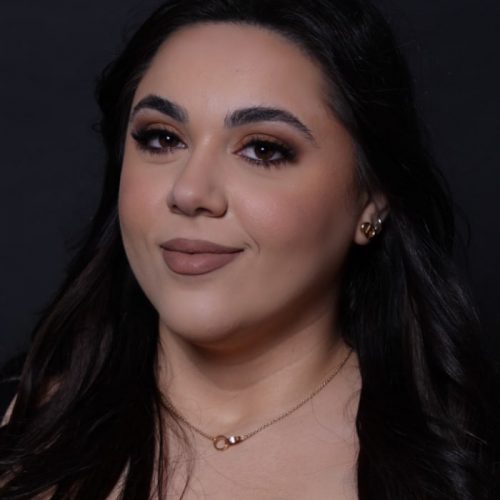
Marriage and Family Therapist Associate, MA
Medically reviewed by Verta Keshishyan, AMFT (Associate Marriage and Family Therapist), registered with the California Board of Behavioral Sciences and supervised by Ari Labowitz, LMFT. Verta has three years of experience with the Department of Mental Health supporting low-income families and families in crisis.
We specialize in treatments for mental health issues and co-occurring disorders.
We concentrate on mental health treatments and co-occurring conditions.
We provide a personalized approach to care.
We possess many years of relevant experience and a strong track record of success.
Every group is led by a master’s-level therapist.
Our partial hospitalization and intensive outpatient programs provide choices for morning, afternoon, or evening sessions.
We offer case management grounded in clinical evidence.
Experience a secure setting that allows you to concentrate on healing and maintaining a healthy way of life.
We provide opportunities to engage with individuals at every phase of recovery.
We accept most commercial PPO plans with out-of-network benefits. Coverage and costs vary by plan, and we verify your benefits before treatment.
We accept most commercial PPO plans with out-of-network benefits. Coverage and costs vary by plan, and we verify your benefits before treatment.