






Xanax isn’t considered safe for long-term use, which is why most physicians limit prescriptions to 2-4 weeks. Your body can start building tolerance within 24 hours of your first dose, and physical dependence often develops within 2-4 weeks of daily use. Long-term use carries documented risks including cognitive decline, memory impairment, and structural brain changes. Understanding how quickly these risks escalate can help you make informed decisions about your treatment.
Why Doctors Limit Xanax to Short-Term Use
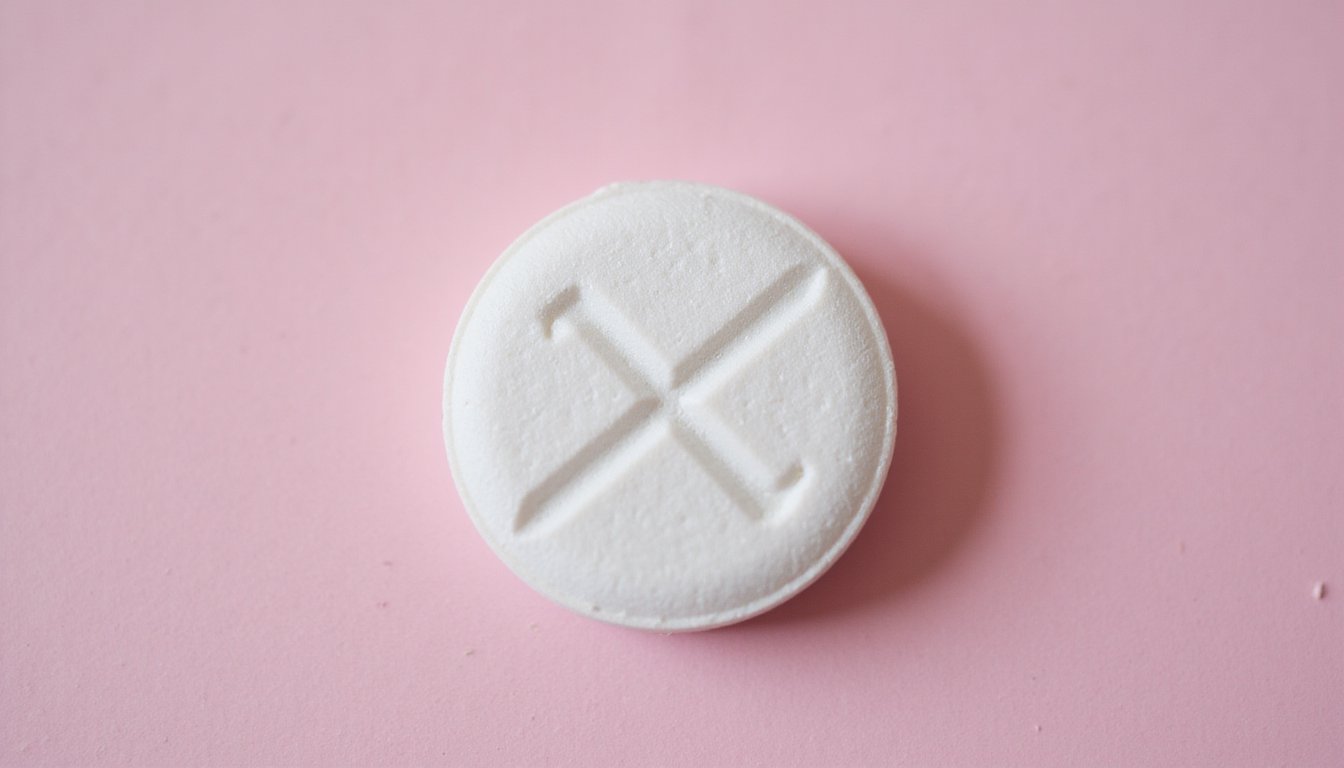
When physicians prescribe Xanax, they typically limit treatment duration because the medication carries significant risks that intensify over time. Your body adapts quickly to benzodiazepines, creating xanax tolerance risks that require higher doses for the same therapeutic effect. This adaptation directly contributes to xanax dependence concerns that complicate treatment.
Xanax long term use poses xanax prolonged use risks including cognitive decline, memory impairment, and cardiovascular complications. Research shows these effects may persist months after discontinuation. Xanax chronic use safety requires careful evaluation because the drug’s short half-life means withdrawal symptoms can emerge within 24 hours if significant dependence develops. Severe withdrawal can trigger seizures, making medical supervision essential. Evidence-based prescribing protocols consequently recommend the shortest effective treatment duration to minimize these cumulative risks. Treatment options such as holistic approaches including yoga, meditation, and art therapy can support recovery when individuals need help overcoming Xanax dependence.
How Fast Xanax Dependence Can Develop
Your body can begin developing tolerance to Xanax within just 24 hours of your first dose, with physical dependence following within 2-4 weeks of daily use. Even when you take Xanax exactly as prescribed, your brain adapts by reducing its natural GABA production, which means you’ll need higher doses to achieve the same effect. Because Xanax acts quickly and has a short half-life, this rapid cycle of relief and wearing off accelerates the development of dependence. Research shows that up to 40% of daily users develop physical dependence within six months, making careful monitoring essential from the start of treatment. Once dependence develops, withdrawal symptoms emerge within 6-12 hours after your last dose, underscoring how quickly your body becomes reliant on the medication.
Timeline for Physical Dependence
Physical dependence on Xanax can develop faster than many patients realize, sometimes within just days to weeks of regular use. Your body begins adapting to the medication’s presence almost immediately, with withdrawal symptoms potentially emerging within 6-8 hours of your last dose.
The xanax physical impact long term involves significant neurochemical changes that require careful medical oversight to reverse safely. Abrupt cessation without medical supervision is unsafe and may lead to seizures, making professional guidance essential throughout the recovery process. This is because Xanax works by increasing GABA in the brain, slowing brain activity and inducing feelings of calm and relaxation that your body comes to depend on.
Key dependence milestones include:
- Early adaptation (days to weeks): Your central nervous system adjusts to regular benzodiazepine exposure
- Acute phase (days 2-4): Peak withdrawal symptoms indicate established physical dependence
- Protracted phase (weeks 2-4): Psychological dependence and cravings may persist
Because Xanax’s short half-life of approximately 11 hours accelerates this timeline, you shouldn’t discontinue use without medical supervision and a proper tapering protocol.
Tolerance Development Patterns
Because Xanax affects GABA receptors so rapidly, tolerance can develop within just 2-4 weeks of consistent use, sometimes faster than patients or prescribers anticipate. Research shows some effects diminish within 24 hours, while sedative and muscle relaxation tolerance develops within days. By 4-6 weeks, you’ll likely notice reduced effectiveness, and significant tolerance typically emerges within 2-3 months.
Several factors accelerate this process: higher doses, frequent use, faster metabolism, and concurrent substance use. Understanding long-term benzodiazepine risks means recognizing early warning signs, your previous dose no longer controls anxiety, panic symptoms return, or you need more frequent dosing. While tolerance doesn’t equal addiction, it significantly increases your risk of developing dependence. This rapid development of dependence is one reason Xanax is typically prescribed for short-term use, often no more than 2-4 weeks.
Advanced tolerance indicators include constant thoughts about your next dose, anxiety about running out, and feeling unable to function without medication. These patterns warrant immediate discussion with your prescriber.
What Long-Term Xanax Use Does to Your Brain

Long-term Xanax use can physically alter your brain’s structure and function in measurable ways. Research shows that prolonged benzodiazepine exposure accelerates volume reduction in the hippocampus and amygdala, regions critical for memory formation and emotional regulation, while also diminishing white matter over time. These structural changes correlate with documented cognitive impairments, including decreased concentration, problem-solving difficulties, and memory deficits that may persist beyond discontinuation. Studies also indicate that long-term benzodiazepine use carries an increased risk of dementia. Due to these risks, the FDA recommends prescribing benzodiazepines at the lowest effective dose for only 2-4 weeks whenever possible.
Memory and Cognitive Damage
Chronic Xanax use affects multiple cognitive domains, with working memory, processing speed, and divided attention showing the most significant impairment. Research demonstrates that xanax chronic treatment risks extend to visuoconstruction, expressive language, and visual memory deficits. Meta-analyses reveal approximately 21% of long-term users display measurable cognitive impairment across all domains studied.
Key cognitive concerns include:
- Memory deficits that persist even after 6 months of abstinence
- Structural brain changes affecting your ability to form new memories
- Cholinergic system disruption impacting memory storage, retrieval, and attention
While memory loss is largely reversible upon discontinuation, you should understand that some deficits continue long after stopping the medication. If you’re over 65, you face slightly higher risk for ongoing memory problems. Studies show that combining benzodiazepines with alcohol or anticholinergic psychotropic medications further increases your vulnerability to lasting cognitive effects. These residual neuropsychological effects require careful consideration when evaluating treatment options. Experts recommend discussing safer alternative treatments with your healthcare provider rather than continuing long-term benzodiazepine therapy.
Neuropathway Changes Over Time
The brain undergoes measurable structural and functional changes when you take Xanax over extended periods. Your GABA receptors decrease in number as your brain reduces its natural production of this calming neurotransmitter. Simultaneously, neurons opposing Xanax’s effects increase, disrupting the balance between inhibitory and excitatory systems.
These alterations extend to your brain’s reward center pathways, reinforcing positive drug associations and promoting cravings. This explains why xanax safety long term remains a significant clinical concern. Over time, these changes can lead to emotional blunting where individuals experience a reduced range of feelings and diminished emotional responses. These alterations extend to your brain’s reward center pathways, reinforcing positive drug associations and promoting cravings, which is especially relevant when considering xanax side effects in older adults. This explains why Xanax safety long term remains a significant clinical concern. Over time, these changes can lead to emotional blunting, where individuals experience a reduced range of feelings and diminished emotional responses.
The good news: extended abstinence weakens these altered pathways. Research shows explicit memory impairments don’t persist 3.5 years post-withdrawal. Your brain can form new pathways that circumvent prior changes. However, recovery varies based on duration of use, dosage levels, and individual factors, underscoring why careful monitoring matters.
Xanax Overdose Deaths: The Numbers to Know
How serious has the Xanax overdose crisis become? The data reveals alarming trends you should understand when considering alprazolam long-term effects on your health and safety.
Alprazolam death rates increased by 234% from 2003 to 2009, representing one of the steepest rises among benzodiazepines. For every 311 Xanax prescriptions filled, one results in an emergency room visit related to drug abuse.
Consider these critical statistics:
- Benzodiazepine-involved overdose deaths rose 917% from 1,135 in 1999 to 11,537 in 2017
- Opioids contribute to 75% of overdose deaths involving benzodiazepines
- You’re 10 times more likely to die from an overdose when combining benzodiazepines with opioids
These numbers underscore why cautious prescribing practices remain essential for patient safety. Despite these rising deaths, the number of prescriptions increased 67% between 1996 and 2013, with 13.5 million U.S. adults filling benzodiazepine prescriptions.
How Long-Term Xanax Use Damages Your Body

When you take Xanax continuously over months or years, the medication systematically affects multiple organ systems beyond its intended target. Your central nervous system experiences persistent suppression, leading to shallow breathing, slowed reflexes, and cardiovascular irregularities including blood pressure fluctuations and heartbeat abnormalities. When you take Xanax continuously over months or years, the medication systematically affects multiple organ systems beyond its intended target, which often leads people to ask does xanax damage your liver as part of broader physical health concerns. Your central nervous system experiences persistent suppression, leading to shallow breathing, slowed reflexes, and cardiovascular irregularities including blood pressure fluctuations and heartbeat abnormalities.
Your liver and kidneys bear significant processing burden, potentially developing toxicity and dysfunction over time. Gastrointestinal complications emerge, including chronic nausea, constipation, and dehydration.
Cognitively, you’ll likely notice difficulty concentrating, memory impairment, and diminished problem-solving abilities. These deficits can persist even after discontinuation. Your physical coordination deteriorates, causing muscle weakness, poor balance, and increased fall risk, particularly concerning if you’re an older adult.
The cumulative strain across these systems increases your susceptibility to serious health events, including respiratory depression and heightened overdose risk.
What Happens When You Try to Stop Xanax?
Stopping Xanax after prolonged use triggers a predictable but potentially dangerous withdrawal syndrome that demands medical supervision. Symptoms begin within 6 to 12 hours after your last dose, with the acute phase peaking between 24 and 72 hours.
Xanax withdrawal begins within hours of your last dose and peaks between 24 and 72 hours, medical supervision is essential.
During this critical window, you’re at highest risk for:
- Seizures, which can be life-threatening without proper monitoring
- Rebound anxiety that may exceed your original symptoms
- Psychosis, hallucinations, or delirium in severe cases
Short-acting benzodiazepines like Xanax produce more intense withdrawal syndromes than longer-acting alternatives. Most severe symptoms resolve around day 5, though protracted withdrawal can persist for months. You may experience lingering anxiety, insomnia, and gastrointestinal distress well beyond the initial two weeks. Medical detoxification dramatically reduces your risk of dangerous complications and relapse.
Why Xanax Hits Harder After Age 65
Nearly half of adults over 65 experience significant changes in how their bodies process Xanax, creating a perfect storm of heightened risk. Your liver’s clearance capacity drops by 10, 40%, while first-pass metabolism decreases roughly 1% annually after age 40. This means more drug reaches your bloodstream at higher concentrations.
The changes don’t stop there. Your brain’s GABAA receptors become more sensitive to benzodiazepines, with studies showing a 50% reduction in the concentration needed to produce sedative effects. You’ll feel stronger sedation at doses that barely affected you decades earlier.
These combined pharmacokinetic and pharmacodynamic shifts amplify clinical effects dramatically. Toxicity signs may not appear until days or weeks into therapy, making monitoring essential. Benzodiazepines without active metabolites, lorazepam, oxazepam, temazepam, are generally tolerated better in older adults.
What to Use Instead of Xanax for Anxiety
Several effective alternatives exist for managing anxiety without the dependence risks that make Xanax problematic for long-term use.
Non-addictive medication options include:
- SSRIs like Zoloft, Lexapro, and Prozac, which are FDA-approved for various anxiety disorders and offer safer long-term profiles
- SNRIs such as Effexor XR and Cymbalta, approved for generalized anxiety and panic disorder
- Buspirone, a non-sedating anxiolytic that effectively treats anxiety without addiction potential
You should also consider cognitive behavioral therapy, which research supports as the most effective evidence-based treatment for anxiety disorders. A 2022 study found mindfulness meditation equally helpful as Lexapro for anxiety management.
Your prescriber may recommend combining therapy with non-benzodiazepine medications for ideal results. This approach addresses anxiety’s root causes while minimizing dependence risks.
Frequently Asked Questions
Can I Safely Take Xanax if I Only Use It Once a Week?
You can use Xanax once weekly with relatively lower risk than daily use, but it’s not without concerns. Even weekly use contributes to physical dependence due to Xanax’s short half-life, and withdrawal symptoms can start within 24 hours. You’ll still face risks of misuse and tolerance development over time. I’d recommend discussing your usage pattern with your prescriber, who can monitor for early signs of dependence and evaluate safer alternatives.
Will My Doctor Cut Me off Xanax Without Warning?
Your doctor shouldn’t abruptly discontinue Xanax without warning, as sudden cessation can trigger life-threatening withdrawal symptoms, including seizures. Clinical guidelines recommend gradual tapering under medical supervision. However, your provider may initiate conversations about reducing or discontinuing your prescription, especially with long-term use. If you’re concerned, discuss your treatment plan openly with your doctor. They’re ethically obligated to manage discontinuation safely, not cut you off without proper tapering protocols.
Does Xanax Interact Dangerously With Common Over-The-Counter Medications?
Yes, Xanax can interact dangerously with several common over-the-counter medications. You should avoid combining it with sleep aids like melatonin or valerian, which increase drowsiness, confusion, and difficulty concentrating. Many cold medicines and cough medications contain ingredients that interact harmfully with Xanax. Even CBD products carry documented interaction risks. Before taking any OTC medication while on Xanax, you’ll want to consult your pharmacist or prescriber to verify safety.
Can I Drink Coffee While Taking Xanax?
You can drink coffee while taking Xanax, but you should do so cautiously. Caffeine directly counteracts Xanax’s calming effects, potentially reducing your medication’s therapeutic benefit. Coffee may also worsen anxiety symptoms that Xanax is meant to control. Additionally, combining a stimulant with a CNS depressant creates opposing effects on your heart rate and blood pressure. You’ll want to discuss your caffeine intake with your prescriber for personalized guidance.
Is It Safe to Drive the Day After Taking Xanax?
Driving the day after taking Xanax may not be safe. Residual effects can impair your reaction time, judgment, and coordination even when you feel alert. Studies show benzodiazepines rank second only to alcohol in fatal road crashes. You shouldn’t assume the medication has fully cleared your system. Consult your prescriber about appropriate timing, and when you’re uncertain about impairment, arrange alternative transportation to protect yourself and others.