






Xanax rarely causes significant liver damage when you’re taking prescribed doses. Your liver’s cytochrome P450 3A4 enzyme metabolizes the medication efficiently, and research supports its safety at therapeutic levels. However, you’ll face higher risks if you have pre-existing liver conditions, consume alcohol regularly, or take doses exceeding your prescription. Watch for warning signs like jaundice, upper right abdominal pain, or dark urine. Understanding your specific risk factors can help you protect your liver health.
Why Normal Xanax Doses Rarely Cause Liver Damage
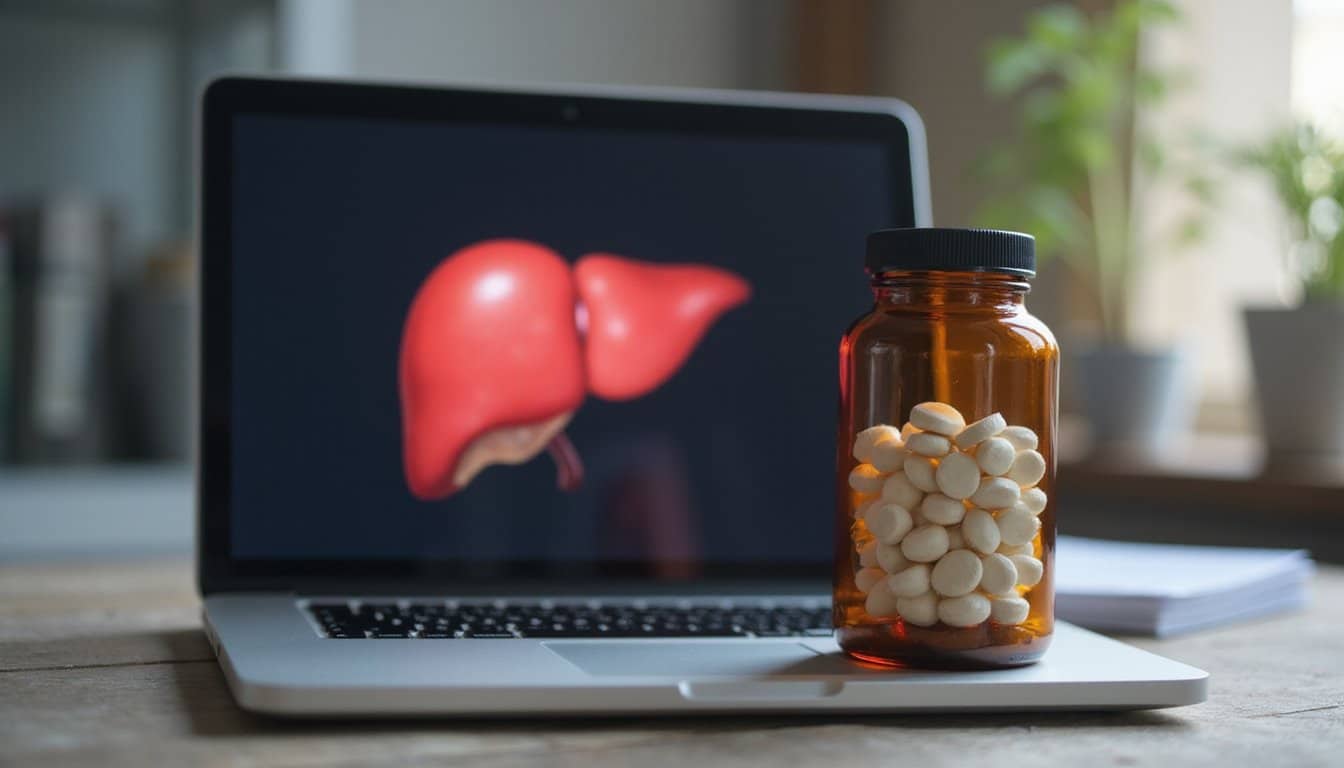
When taken at prescribed doses, Xanax rarely causes significant liver damage in healthy individuals. Your liver metabolizes Xanax through the cytochrome P450 3A4 enzyme, converting it into inactive compounds your body eliminates efficiently. With a half-life averaging 11.4 hours, xanax liver metabolism processes standard doses without accumulation or overload.
Research supports xanax liver safety at therapeutic levels. While some users experience mild enzyme elevations, these changes typically reverse upon discontinuation. Case reports of liver injury exist but remain uncommon with proper dosing. Most reported Xanax-related liver issues are mild to moderate and reversible when identified early. is xanax safe for long term use continues to be a pivotal question among healthcare providers. While clinical studies indicate that many users tolerate xanax well over extended periods, it is essential to monitor for potential dependency and withdrawal symptoms. Regular consultations with a medical professional can help ensure that the benefits outweigh any risks associated with prolonged use.
You can minimize risk by adhering strictly to prescribed amounts, avoiding alcohol, and completing periodic liver function tests. If you have normal hepatic function, your physician won’t need to adjust your dosage. Standard therapeutic use doesn’t overwhelm a healthy liver’s metabolic capacity. However, patients with hepatic impairment require reduced dosage to prevent drug accumulation and potential liver stress.
Who Faces Higher Risk for Xanax Liver Problems?
Certain populations face elevated vulnerability to Xanax-related liver complications. If you have pre-existing liver conditions like hepatitis, cirrhosis, or fatty liver disease, your organ already struggles to process medications effectively. This compromised function causes Xanax to accumulate in your bloodstream, raising toxicity risks and intensifying side effects.
Your alcohol use greatly compounds these dangers. When you consume alcohol alongside Xanax, both substances compete for the same liver enzymes, doubling your organ’s metabolic burden. This combination creates synergistic damage potential that neither substance causes alone. Regular use of Xanax can lead to various side effects that may adversely impact your physical health, especially when combined with other substances. Understanding the long-term consequences of Xanax effects on physical health is crucial for maintaining overall well-being. Consulting with a healthcare professional can provide valuable insights into how to manage these risks effectively. Your alcohol use greatly compounds these dangers, especially when questions like can xanax affect kidneys arise in the context of combined substance use. When you consume alcohol alongside Xanax, both substances compete for the same liver enzymes, doubling your organ’s metabolic burden. This combination creates synergistic damage potential that neither substance causes alone. Regular use of Xanax can lead to various side effects that may adversely impact your physical health, particularly when combined with other substances. Understanding the long-term consequences of Xanax effects on physical health is crucial for maintaining overall well-being, and consulting with a healthcare professional can provide valuable insights into how to manage these risks effectively.
You’re also at heightened risk if you take multiple liver-metabolized medications, use doses higher than prescribed, or engage in long-term Xanax use without medical supervision. Misuse or addiction dramatically elevates your likelihood of liver inflammation and enzyme elevations compared to controlled, prescribed use. The good news is that with proper treatment, the liver has a remarkable ability to regenerate and often recover from damage. If you experience symptoms such as jaundice, abdominal pain, or dark urine, prompt medical attention is necessary to assess potential liver damage.
Warning Signs of Liver Trouble While Taking Xanax

Recognizing early warning signs of liver trouble can help you seek timely medical intervention while taking Xanax. Jaundice, characterized by yellowing of your skin and eyes, indicates bilirubin buildup from impaired liver function. This symptom has appeared within one week of alprazolam use in documented cases.
Watch for upper right abdominal pain, which signals liver inflammation linked to xanax liver stress from metabolic overload. Dark urine and pale stools suggest bile flow impairment requiring evaluation.
Persistent fatigue, nausea, and appetite loss often accompany xanax liver effects when hepatotoxicity develops. Fever and itching may indicate acute inflammation. These symptoms can occur because Xanax is primarily metabolized by the CYP3A4 enzyme in the liver, which can become overwhelmed during prolonged use. The risk of liver injury increases when Xanax is used alongside other liver-affecting medications.
If you experience these symptoms, contact your healthcare provider immediately. Regular blood tests can detect elevated liver enzymes early, allowing for timely intervention before significant damage occurs during long-term Xanax therapy.
Can Xanax Liver Damage Be Reversed?
The encouraging news for those concerned about xanax liver damage is that most documented cases show reversibility upon discontinuation of the medication. Clinical evidence indicates no reported cases of irreversible liver failure attributed solely to Xanax use.
When you stop taking the medication promptly after detecting liver issues, your xanax liver function typically returns to normal. A 1986 case study documented complete recovery in a patient who developed jaundice, she fully recovered within one week of stopping the drug. The reported cases typically showed a cholestatic or mixed pattern of liver enzyme elevations that resolved after discontinuation.
The reversibility of xanax-induced liver damage depends on several factors: dosage levels, duration of use, and concurrent alcohol consumption. Pre-existing liver conditions may complicate recovery but don’t prevent it. Medical supervision guarantees timely intervention, and adhering to prescribed dosages minimizes your risk of lasting hepatic complications.
When to Get Liver Tests and Talk to Your Doctor

If you’re taking Xanax and have risk factors for liver injury, such as pre-existing liver conditions, regular alcohol use, or concurrent medications affecting hepatic function, you should discuss baseline liver function tests with your doctor before starting therapy.
Regular monitoring helps detect elevated liver enzymes and bilirubin levels early, before progression to serious complications. You should undergo periodic liver function tests if you’re on long-term alprazolam therapy or have increased your dosage. While benzodiazepines like Xanax have been linked to only very rare instances of acute, symptomatic liver disease, monitoring remains prudent for at-risk individuals.
Communication with healthcare providers must include full disclosure of your liver health status, alcohol consumption patterns, and all medications, including herbal supplements and over-the-counter drugs. This information allows your doctor to assess potential hepatic interactions and weigh treatment benefits against risks. Early diagnosis through appropriate testing substantially increases the likelihood of reversing liver damage.
Frequently Asked Questions
How Does the Liver Actually Metabolize Xanax in the Body?
Your liver metabolizes Xanax primarily through the CYP3A4 enzyme, which catalyzes the initial hydroxylation step. This process breaks the drug into two main metabolites: 4-hydroxyalprazolam and α-hydroxyalprazolam. These metabolites have low potency and don’t contribute appreciably to the drug’s effects. After your liver processes Xanax, your kidneys filter and excrete the metabolites through urine. The average half-life is 11.2 hours in healthy adults.
Are Other Benzodiazepines Safer for the Liver Than Xanax?
Yes, certain benzodiazepines are safer for your liver than Xanax. If you have liver impairment, lorazepam and oxazepam are preferred alternatives because they undergo simple glucuronidation rather than cytochrome P450 oxidation. This means your liver processes them more predictably, and blood levels remain stable even with cirrhosis. Xanax relies on CYP3A4 metabolism, which becomes impaired in liver disease, potentially causing drug accumulation and increased side effects.
Does Combining Xanax With Alcohol Increase Liver Damage Risk?
Yes, combining Xanax with alcohol dramatically increases your liver damage risk. Your liver prioritizes alcohol metabolism, causing Xanax to remain in your system longer and creating toxic buildup. This competing metabolic demand strains hepatic function and can lead to elevated liver enzymes, indicating possible injury. If you have pre-existing liver conditions or cirrhosis, you’re at even higher risk for liver toxicity and potentially hepatic encephalopathy. You shouldn’t combine these substances.
How Long Does Xanax Stay in the Liver After Taking It?
Your liver processes Xanax within 2-4 days after your last dose, with a half-life averaging 11-12 hours in healthy adults. However, several factors can extend this timeline considerably. If you have liver disease, your half-life increases to approximately 19.7 hours. Age and weight also matter, seniors average 16.3 hours, while obese individuals average 21.8 hours. Medications affecting CYP3A4 enzyme function can further slow elimination.
Can Occasional Xanax Use Affect Liver Enzyme Levels?
Occasional Xanax use typically doesn’t cause significant liver enzyme elevations in healthy individuals. However, clinical trials have documented mild, transient enzyme increases in some patients, even at therapeutic doses. You’re more likely to see changes if you have pre-existing liver conditions, take CYP3A4 inhibitors, or combine Xanax with alcohol. If you’re concerned, your doctor can monitor your liver function through routine blood tests.