






A morning intensive outpatient program (IOP) provides structured psychiatric treatment during early daytime hours, typically 9 AM to 12:30 PM, three to five days weekly. You’ll benefit from this level of care if you’re stepping down from hospitalization, need more support than standard outpatient therapy offers, or require acute mental health treatment while maintaining employment or parenting responsibilities. Sessions combine group therapy, individual counseling, and psychiatrist consultations, and understanding the full structure can help you determine if it’s your right fit.
What Is a Morning Intensive Outpatient Program?
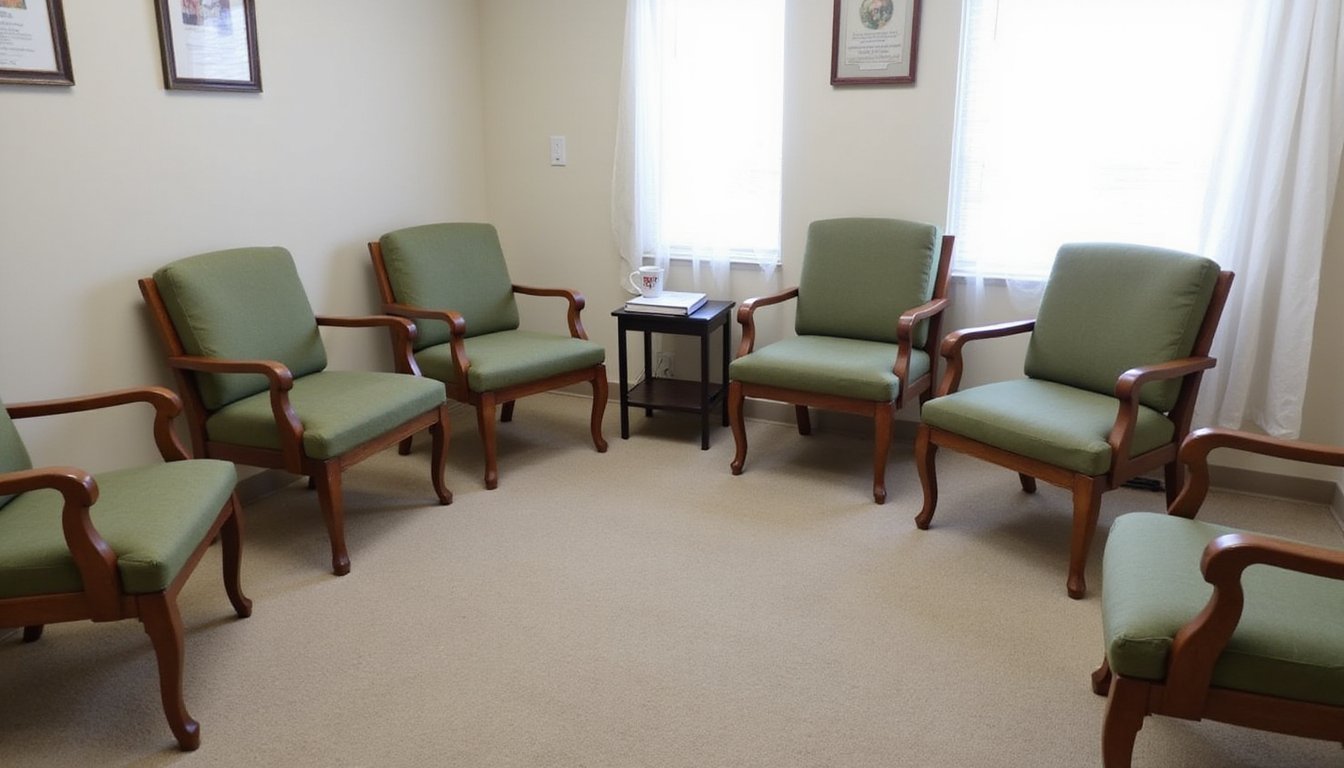
A morning intensive outpatient program (IOP) provides structured psychiatric treatment during early daytime hours, typically running from 9:00 AM to 12:30 PM on weekdays. This level of care delivers more therapeutic intensity than standard weekly outpatient sessions while allowing you to maintain work, school, or family responsibilities in the afternoon.
A morning IOP operates three to five days per week, with each session lasting at least three hours. You’ll receive a combination of group therapy, individual counseling, and psychiatrist consultations. The program addresses acute psychiatric concerns without requiring partial hospitalization or residential supervision. Treatment is grounded in evidence-based, third wave behavior therapies that have been shown to effectively address a range of mental health conditions. Most IOPs last around 6 to 12 weeks, depending on individual needs and progress.
This format requires you to check in daily before 8:45 AM via email or phone. Treatment teams typically include both a psychologist and psychiatrist assigned during your initial evaluation.
Where Does Morning IOP Fall in Your Treatment Plan?
When you’re determining where morning IOP fits within your treatment trajectory, the placement depends on your current clinical status and psychiatric stability. A morning intensive outpatient program serves three distinct clinical functions based on your presentation and treatment history.
| Entry Point | Clinical Indication | Weekly Hours |
|---|---|---|
| Initial Treatment | Assessment confirms IOP-level care appropriate | 9-30 hours |
| Stepping Down | Stabilization achieved post-inpatient/residential | 6-30 hours |
| Stepping Up | Standard outpatient (1-5 hours) proved insufficient | 6-30 hours |
Your multidisciplinary team evaluates whether you’re entering treatment directly, moving from higher-acuity settings after stabilization, or requiring intensification following unsuccessful lower-level interventions. Morning scheduling integrates with continuing care planning, allowing clinicians to monitor progress through weekly psychiatric and therapy sessions while coordinating subsequent treatment phases as your stability evolves. The program addresses acute and severe mental health disorders through structured group treatment delivered across multiple weekly sessions. When transitioning between levels of care, moving within the same treatment organization creates less disruption for you than referral to an outside provider, reducing administrative barriers and maintaining continuity of your clinical records.
Is Morning IOP Right for Working Adults and Parents?

Understanding your clinical placement within the treatment continuum naturally leads to evaluating whether morning IOP aligns with your occupational and familial obligations.
Research demonstrates that IOP participants include employed adults with commercial health plans who experience improved outcomes when treatment supports vocational stability. Your outpatient treatment schedule requiring nine hours weekly across three sessions preserves afternoon and evening availability for professional duties and family responsibilities. Studies consistently show substantial reductions in alcohol and drug use between baseline and follow-up for individuals participating in these programs.
For parents, IOP delivers equivalent outcomes to residential care while maintaining family involvement. Programs address isolation barriers common among caregiving populations through structured social support components. Staff can also address caregiver strain by offloading activities and identifying respite services to support your recovery journey.
Data indicates clients experiencing employment improvements during treatment show higher completion rates and sustained abstinence. Morning tracks ending by early afternoon accommodate school pickups, work shifts, and household obligations. This scheduling efficiency reduces care fragmentation while supporting your recovery and daily functioning simultaneously.
What Happens During a Typical Morning IOP Session?
Your morning IOP session follows a structured three-hour block, typically running from 9:00 AM to 12:00 PM, that organizes therapeutic activities into sequential components designed to maximize clinical benefit.
Each mental health IOP mornings session begins with a clinician-facilitated check-in group. You’ll examine your mood, report symptom changes, and identify new challenges since your last session. This assessment phase guides your individualized treatment focus.
Following check-in, you’ll participate in skill-building groups utilizing evidence-based interventions like DBT and CBT. These sessions target self-destructive behavior reduction and teach adaptive emotion management techniques. Topics covered often include relapse prevention and trigger management, cognitive restructuring, and communication skills development. Additionally, Motivational Interviewing techniques may be incorporated to help strengthen your commitment to positive behavioral changes.
Process groups conclude each session, where you’ll exchange peer feedback and discuss current challenges. This component emphasizes interpersonal pattern improvement through structured, supportive dialogue. The sequential format guarantees you receive thorough therapeutic engagement within each morning block.
Can You Keep Your Job While Attending Morning IOP?

Balancing treatment with employment ranks among the most common concerns for individuals considering morning IOP enrollment, and the evidence confirms this balance is achievable. Morning sessions typically run from 8:00 AM to 12:00 PM, allowing you to maintain afternoon or evening work schedules while receiving structured outpatient care. This arrangement works particularly well because IOP allows participants to live at home and maintain their regular daily routines outside of treatment hours.
Legal protections support your treatment participation:
- The ADA entitles you to reasonable accommodations, including modified schedules for medical treatment
- FMLA may provide job-protected leave for mental health care
- Flexible arrangements such as remote work or adjusted hours facilitate attendance
- Strategic PTO use covers necessary appointments
You’ll need to communicate proactively with both your employer and treatment team. Discuss your work hours, transportation needs, and scheduling constraints early. Most programs offer track flexibility, letting you switch between morning, afternoon, or evening sessions if employment demands change. If you encounter access issues with online treatment resources, security tools like Wordfence, installed on over 5 million WordPress sites, may temporarily limit access, so contact your treatment provider directly for assistance.
Morning Intensive Outpatient Programs are built for individuals who need structured, consistent care while keeping their afternoons and evenings free for work, family, or school. At Quest Wellness Center, our team works closely with you to create a personalized, evidence-based treatment plan that aligns with your lifestyle and recovery goals. Our flexible morning, afternoon, and evening programs ensure meaningful support is always available no matter your schedule. Call +1 (818) 275-9810 today and find the program that fits your life.
Frequently Asked Questions
How Long Does a Morning Intensive Outpatient Program Typically Last?
You can expect a morning intensive outpatient program to last between 8 to 12 weeks, though clinical guidelines recommend a minimum of 90 days for ideal outcomes. Your specific duration depends on several diagnostic factors, including addiction severity, co-occurring disorders, and your individual progress. You’ll typically attend three to five sessions weekly, with each session lasting 3 to 4 hours, totaling 9 to 15 hours of structured treatment per week.
Does Morning IOP Include Medication Management Services?
Yes, morning IOP programs often include medication management services. You’ll have access to licensed medical providers who assess your needs during intake and create personalized medication plans. Many programs integrate Medication-Assisted Treatment (MAT) with evidence-based therapies like DBT and ACT. Your multidisciplinary team, including psychiatrists and behavioral health clinicians, coordinates medication protocols alongside your therapy sessions, ensuring you receive extensive, clinically integrated care throughout your treatment.
What Happens After Completing a Morning IOP Program?
After completing a morning IOP, you’ll typically move to less intensive outpatient services or maintenance programs. Research shows you can expect continued support through group therapy, one-on-one counseling, and skill-building activities. Your treatment team will conduct regular progress assessments to personalize your step-down plan. You’ll also have access to vocational support and community services. If you’re managing co-occurring disorders, you may benefit from extended programming to guarantee complete recovery.
Can Family Members Participate in Morning IOP Treatment Sessions?
Yes, family members can participate in morning IOP treatment sessions. You’ll find that programs typically integrate family therapy alongside individual and group sessions to improve communication and support your recovery. Your loved ones may attend designated family sessions, and parents or guardians often participate in family counseling and skills groups. This involvement creates a supportive home environment and builds a strong network that continues beyond your program completion.
Does Morning IOP Offer Detox Services for Substance Use Disorders?
Morning IOP doesn’t provide detox services directly within its program structure. Detoxification requires 24-hour medical supervision and nursing care to safely manage withdrawal symptoms, a level of intensity that outpatient formats can’t deliver. However, you’ll find that extensive treatment continuums offer medically supervised detox as a separate service. You’d typically complete detoxification first, then step down to morning IOP once you’re medically stabilized and ready for structured outpatient therapy.