





You’ll find seven evidence-based pathways in 2025: Medication-Assisted Treatment with personalized genomic dosing tailors medications to your genetic profile, while AI-powered platforms and wearables predict relapse with 91.4% accuracy. Cognitive Behavioral Therapy and Dialectical Behavior Therapy address underlying patterns, and psychedelic-assisted therapy offers breakthrough results for treatment-resistant cases. Telehealth services eliminate access barriers, integrative holistic models achieve 50-70% sustained abstinence, and community-based peer support strengthens long-term recovery. The detailed strategies below reveal how these approaches work together to transform outcomes.
Medication-Assisted Treatment (MAT) With Personalized Genomic Dosing

How can treatment providers optimize medication effectiveness while minimizing the trial-and-error approach that’s historically plagued addiction medicine? Medication-Assisted Treatment (MAT) combined with personalized genomic dosing represents a transformative shift in 2025. You’ll receive genetic testing that identifies polymorphisms affecting drug metabolism, specifically CYP450 enzyme variants, enabling clinicians to tailor methadone, buprenorphine, or naltrexone selection and dosing to your unique biology. This precision reduces adverse effects, accelerates stabilization, and improves adherence rates. Bipartisan policy changes are expanding access to genomic testing, while financial incentive models encourage integration with psychosocial therapies. Evidence demonstrates MAT increases retention by 74% and cuts relapse risk by 50%. When paired with genomics, you’ll experience fewer medication adjustments, faster recovery onset, and treatment legitimacy that counters substitution stigma. The medications used in MAT work by blocking euphoric effects of substances, reducing cravings, and easing withdrawal discomfort to support your path toward sustained recovery.
AI-Powered Digital Recovery Platforms and Wearable Technology
If you’re seeking recovery support that adapts to your unique needs in real time, AI-powered digital platforms now deliver personalized treatment plans with up to 91.4% accuracy in identifying addiction risk factors. These systems combine wearable technology, tracking your heart rate, sleep patterns, and stress indicators, with predictive analytics to detect craving episodes and trigger immediate interventions before relapse occurs. Machine learning algorithms can predict treatment outcomes, enabling your care team to adjust interventions proactively based on your individual response patterns. Specialized wearables can send alerts when signs of stress or cravings arise, prompting pre-programmed interventions to support your recovery in critical moments. AI platforms analyze data from medical records to patient feedback to create a comprehensive view of your recovery journey and inform treatment adjustments. Whether you live in a metropolitan area or a rural community with limited access to traditional care, these platforms bridge critical gaps through telehealth, virtual therapists, and 24/7 chatbot support that meets you wherever you are.
Personalized AI Treatment Plans
The convergence of artificial intelligence and addiction medicine has fundamentally transformed how treatment plans are designed and delivered. You’ll now receive care that’s calibrated to your unique medical history, behavioral patterns, and documented treatment responses. AI-driven platforms analyze your comprehensive data to generate highly individualized interventions, while predictive relapse analytics identify your specific risk factors before setbacks occur. These systems achieve up to 99.75% accuracy in detecting addiction patterns, enabling proactive adjustments to your regimen.
Clinician patient communication optimization tools integrate continuous feedback loops, allowing your treatment team to modify protocols in real-time based on your progress logs and physiological data. Virtual agents can simulate motivational interviewing to provide responsive, empathetic dialogue that helps you explore ambivalence and commit to recovery goals. Mobile apps and wearable devices provide real-time support, reminders, and access to virtual support groups at the touch of a button. By addressing psychological disorders like anxiety, AI treatment platforms can target the underlying causes that contribute to substance dependency. This patient-centered approach increases engagement, improves long-term outcomes, and guarantees your recovery journey remains dynamically responsive to your evolving needs throughout every phase of treatment.
Real-Time Craving Interventions
| Technology | Detection Method | Intervention Delivered |
|---|---|---|
| Smartwatch biosensors | Real-time heart rate + stress patterns | Personalized push notifications with coping strategies |
| AI chatbot platforms | Predictive algorithms (98.5% accuracy) | 24/7 judgment-free support and psychoeducation |
| VR therapy systems | Immersive craving simulation | Controlled exposure to high-risk environments |
| Emotion detection AI | Speech patterns + facial analysis | Emotion-driven interventions tailored to psychological state |
| EMA-enabled wearables | Self-reported mood + trigger data | Just-in-time adaptive behavioral prompts |
Predictive algorithms analyze your behavioral patterns, enabling preemptive intervention before relapse risk escalates.
Hospital-based AI screening systems have demonstrated effectiveness in identifying patients with opioid use disorder, with recent studies showing 47% lower readmission rates compared to traditional provider-initiated consultations.
Bridging Rural Access Gaps
While geographic isolation once created insurmountable barriers to addiction treatment, AI-powered digital platforms and wearable technology are now fundamentally reshaping access to care in rural America. You’ll find that 73% of adults in recovery benefit from these platforms, which use machine learning to predict relapse triggers with 91.4% accuracy. Virtual recovery meetings have tripled since 2022, delivering a 74% satisfaction rate and enabling 24/7 specialized support previously unavailable in remote areas. Wearable devices monitor your heart rate, stress levels, and sleep patterns, automatically connecting you to resources when cravings emerge. These technologies support community outreach programs targeting underserved populations, with telehealth-exposed individuals achieving 76% sobriety at three months. However, enhanced user engagement through AI-driven personalized interactions requires careful monitoring to prevent dependency on digital platforms themselves. Hybrid treatment models now allow patients to seamlessly transition between in-person and virtual care options based on their changing needs and circumstances. You’re accessing judgment-free, personalized interventions that reduce stigma while maintaining treatment continuity regardless of location.
Evidence-Based Behavioral Therapies Including CBT and DBT
When you’re traversing the path to addiction recovery, evidence-based behavioral therapies form the clinical backbone of effective treatment. Cognitive Behavioral Therapy (CBT) remains the most extensively studied intervention, endorsed by NIDA, VA, and APA, with 94% of U.S. facilities implementing it. CBT demonstrates strongest effects at early follow-up between 1-6 months post-treatment, though impact diminishes at later timepoints. Dialectical Behavior Therapy (DBT) addresses co-occurring disorders, affecting 50% of patients, through emotion regulation and distress tolerance skills.
Evidence-based behavioral therapies like CBT and DBT provide the clinical foundation for successful addiction treatment nationwide.
Your treatment plan may incorporate:
- Structured CBT protocols averaging 16 sessions with functional analysis and relapse prevention
- DBT’s dialectical abstinence model targeting craving states and parasuicidal behaviors
- Integrated pharmacotherapy combinations optimizing outcomes through coordinated care
Effective programs now emphasize cultural adaptations and personalized delivery models via telehealth, apps, and group formats. These approaches yield 35-42% abstinence rates at 12 months while addressing your unique psychological and social determinants. When combined with FDA-approved medications like buprenorphine or naltrexone, treatment outcomes improve significantly with 75% one-year retention on medication-assisted protocols. Contingency management programs have demonstrated measurable behavioral outcomes as an additional evidence-based intervention alongside traditional therapeutic modalities.
Psychedelic-Assisted Therapy for Treatment-Resistant Cases

For patients who’ve exhausted conventional therapies without achieving sustained recovery, psychedelic-assisted treatment represents a paradigm shift in addiction medicine. Compounds like psilocybin and MDMA have earned FDA breakthrough therapy designation for treatment-resistant cases, with randomized controlled trials demonstrating significant symptom reduction lasting months after just one to three sessions.
You’ll undergo guided psychedelic journeying in controlled clinical settings with trained therapists present throughout the 6, 8 hour experience. These sessions disrupt rigid brain network patterns underlying addiction while boosting neuroplasticity for weeks afterward. Disrupting the default mode network may enable your brain to reorganize in ways that foster more flexible thought patterns and break addictive cycles. Psychological integration practices following drug administration prove essential; they help you process insights, translate experiences into behavioral change, and maintain therapeutic gains. Many patients attribute recovery success to insight gained during their psychedelic experiences, which helps them understand the root causes of their addictive behaviors.
Strict screening excludes high-risk individuals, and continuous monitoring guarantees safety. Before treatment begins, you’ll participate in preparation sessions where therapists help you build therapeutic alliance and establish clear intentions for your psychedelic experience. This evidence-based approach offers hope when traditional interventions have failed.
Telehealth and Remote Care Services
Telehealth services now eliminate the geographic and transportation barriers that previously prevented you from accessing addiction treatment, with 58.6% of facilities offering virtual care as of 2025, up from just 27.5% in 2019. You’ll find 24/7 crisis support through secure video platforms and AI-driven risk monitoring that can alert your care team when relapse indicators emerge, ensuring immediate intervention when you’re most vulnerable. Insurance providers have expanded coverage for remote MAT and behavioral therapy sessions, making evidence-based treatment more affordable and sustainable throughout your recovery journey.
Breaking Geographic Treatment Barriers
How can someone living hours from the nearest treatment center access life-saving addiction care? Telehealth has revolutionized substance use disorder treatment by eliminating geographic barriers that once prevented recovery. Rural counties with no OUD treatment dropped by 49% through telehealth consortia, demonstrating the power of virtual care delivery.
Your remote treatment options now include:
- Individual counseling sessions from your kitchen table instead of a two-hour drive
- Group therapy connecting you with peers across state lines
- Medication management appointments during your lunch break
Telehealth affordability and health equity initiatives have made these services accessible to marginalized populations who previously faced insurmountable obstacles. Research confirms telemedicine delivers outcomes equal to in-person care, with higher retention rates and patient satisfaction exceeding 80%.
24/7 Virtual Crisis Response
When addiction pushes you to the edge of crisis, immediate access to support can mean the difference between relapse and recovery. The National 988 Suicide & Crisis Lifeline has fielded nearly 16 million contacts through phone, text, and chat services, with fewer than 2% requiring emergency dispatch. Virtual crisis coordination now connects you to over 200 crisis centers offering around-the-clock remote assistance for behavioral health emergencies.
Remote triage protocols enable mobile crisis teams to stabilize situations before in-person intervention becomes necessary, reducing emergency department visits and police involvement. One in three outpatient mental health services now operates online, eliminating barriers like transportation and inflexible schedules. AI-powered platforms analyze your digital health data to predict relapse risk and flag crises in real time, delivering personalized interventions when you’re most vulnerable.
Insurance Coverage Improvements
Your ability to access addiction treatment through telehealth no longer depends on whether your insurance company views it as “less valuable” than in-person care. The 2025 Mental Health Parity and Addiction Equity Act updates mandate equal coverage, eliminating prior authorization barriers that once delayed your treatment. This equitable accessibility extends across Medicaid, Medicare, and ACA-compliant plans.
Consider the cost implications of your current coverage:
- Copays: Most plans charge $25, $50 per remote therapy session
- Deductibles: Private insurance ranges from $0, $6,000+ before coverage begins
- Medications: Generic options cost $5, $10 through telehealth prescriptions
However, in-network telehealth addiction specialists remain scarce, the most significant coverage gap you’ll encounter. While 75% of providers now accept private insurance for virtual care, access still varies considerably by your specific plan and location.
Integrative Holistic Models Combining Multiple Modalities
Because addiction affects every dimension of a person’s life, brain chemistry, emotional patterns, relationships, and physical health, effective treatment must address all these interconnected systems simultaneously. Integrative holistic models combine evidence-based therapies like MAT with CBT or DBT, then layer in complementary modalities including nutritional therapy, yoga, acupuncture, and meditation. You’ll benefit from spiritual-based approaches that foster meaning and connection, countering the existential emptiness often underlying substance use.
Research demonstrates intensive outpatient programs using these blended models achieve 50, 70% sustained abstinence rates. Your individualized treatment plan will incorporate dual diagnosis care for co-occurring mental disorders, genetic profiling to optimize medication selection, and AI-driven personalization that adapts therapy to your unique profile. Structured aftercare programs with telehealth access increase long-term engagement from 40% to 70%, supporting whole-life recovery.
Community-Based Recovery Support and Peer-Led Programs
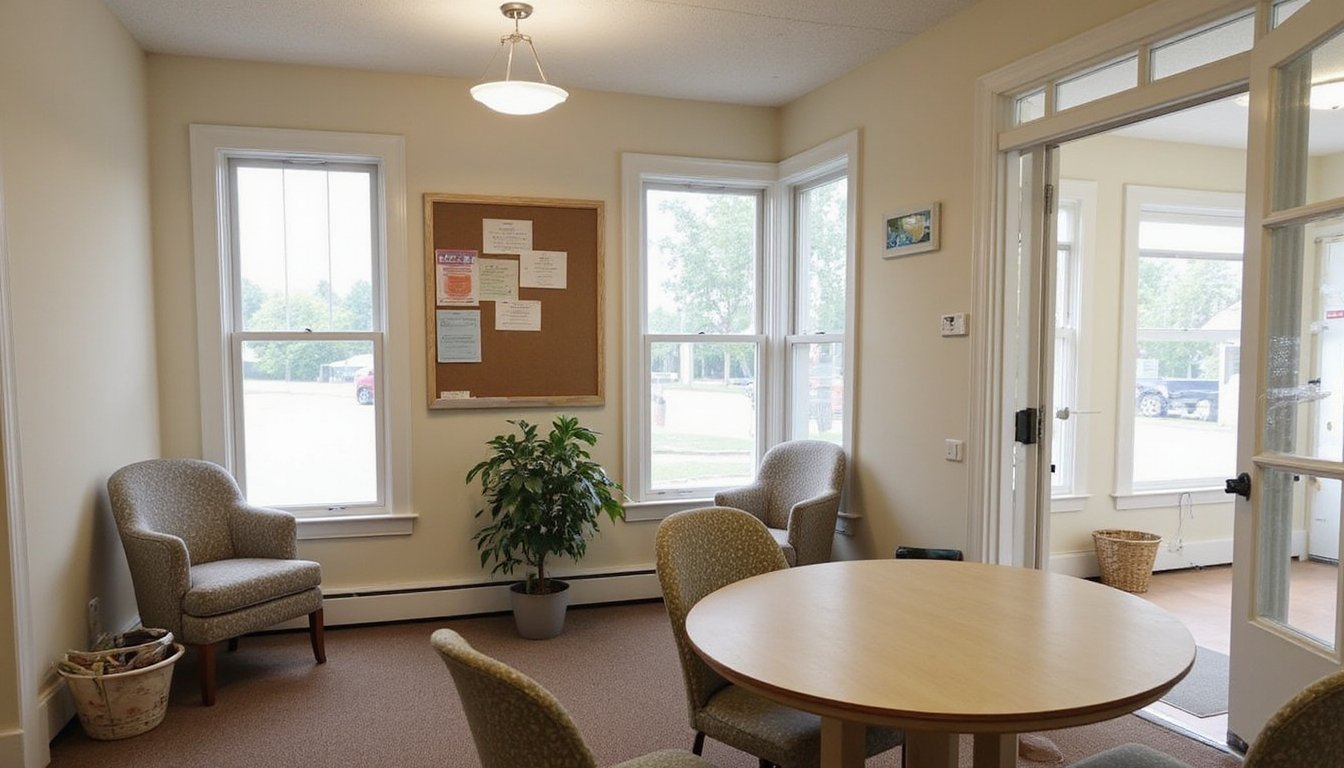
While professional treatment establishes the foundation for recovery, community-based peer support sustains it over the long term. Recovery Community Centers provide free sanctuary spaces where you’ll find peer mentor training, social events, and volunteerism and social enterprise opportunities that restore purpose. These centers serve over 26,000 participants annually through multiple evidence-based pathways:
- Telephone Recovery Support delivers 43,000+ calls yearly, maintaining accountability during vulnerable post-treatment periods
- All-Recovery Meetings welcome diverse recovery approaches, from twelve-step frameworks to SMART Recovery’s secular model
- Oxford House residences offer drug-free living environments with structured peer accountability
You’ll access walk-in services alongside family members, connecting with housing, employment, and clinical resources. Research confirms participants demonstrate higher sustained abstinence rates and reduced isolation compared to those without community integration.
Frequently Asked Questions
Does Insurance Cover the Cost of Addiction Treatment in 2025?
Yes, insurance typically covers addiction treatment in 2025 thanks to federal parity laws requiring equal coverage for substance use disorders. You’ll find most plans cover detox, inpatient rehab, outpatient programs, and medication-assisted treatment. However, coverage limitations exist based on your plan type, provider network, and state. Treatment cost variances depend on deductibles, co-pays, and whether you’re in a Medicaid expansion state. We recommend verifying your specific benefits before starting treatment to understand your out-of-pocket responsibilities.
How Long Does Typical Addiction Treatment Last Before Recovery Is Stable?
Treatment duration varies widely, but you’ll typically need 90+ days in structured care for the best chance at stable recovery. While standard programs run 30, 90 days, treatment success factors include continuing aftercare for at least a year. You’re looking at extended monitoring and support beyond initial treatment; most people require 12+ months of ongoing care to achieve lasting sobriety. Your individual needs, addiction severity, and engagement with aftercare profoundly influence your timeline to stability.
Can Family Members Access Treatment Programs to Help Their Loved Ones?
Yes, you can access inclusive treatment programs designed specifically for families. Most rehabilitation centers offer family therapy, educational workshops, and support groups that facilitate family involvement during treatment. You’ll participate in evidence-based interventions like behavioral couples therapy and structured family sessions that improve recovery outcomes. Additionally, centers provide family support after treatment through continuing care meetings, peer recovery services, and alumni programs. These resources empower you with coping strategies, boundary-setting skills, and ongoing guidance to support your loved one’s long-term recovery.
What Happens if Someone Relapses After Completing an Addiction Treatment Program?
If you relapse after treatment, it’s not a failure; it’s a signal to adjust your recovery plan. Your treatment team will reassess your needs, potentially modifying therapy or medications. Relapse prevention strategies become vital, including identifying triggers and strengthening coping skills. Mental health aftercare is essential, as co-occurring conditions often contribute to relapse. With continued support, medication-assisted treatment when appropriate, and engagement in aftercare programs, you’ll greatly improve your chances of long-term recovery.
Are There Specific Treatment Options Designed for Adolescents Versus Older Adults?
Yes, treatment is age-tailored. If you’re seeking help for an adolescent, you’ll find programs emphasizing family therapy, peer dynamics, and developmental needs, sometimes including gender-specific programs to address unique social pressures. For older adults, treatment integrates medical management, grief counseling, and cognitive accommodations. Both age groups benefit from community-based interventions that reduce isolation and build support networks. Your treatment team will customize approaches based on developmental stage, health status, and specific risk factors.