
Verify Insurance
Fast • Secure • Confidential
Speak with our team today
IOP for Canoga Park runs at Quest Wellness Center in North Hollywood, a straight shot east across the west Valley. Search iop Canoga Park and this is the west-Valley option that is an actual drive rather than a directory listing. The program treats depression, anxiety, PTSD, trauma, and co-occurring substance use across morning, afternoon, and evening tracks, running 3 to 4 hours a day, 3 to 5 days a week, in person or virtually across California.
Quest Wellness Center is at 10736 Burbank Boulevard in North Hollywood, roughly twelve miles east of Canoga Park. The route is the 101 through Woodland Hills, Tarzana, and Encino, or Ventura Boulevard if you would rather stay off the freeway. Off-peak the drive runs 20 to 30 minutes, longer when the 101 backs up through the Sepulveda basin at rush hour.
For a program you attend three to five times a week, that is a real consideration, and it is why the choice of track matters as much as the choice of program. A morning or midday session sidesteps the worst of the freeway. For anyone who would rather skip the drive entirely, the virtual track delivers the identical program from home in Canoga Park, and hybrid attendance lets you split the difference week to week.
Canoga Park sits at the western end of the San Fernando Valley, next to Winnetka, West Hills, and Woodland Hills, with the Warner Center business district right alongside. Quest draws from all of it. Someone commuting out of Warner Center can catch an evening session on the way home rather than doubling back, and the western Valley communities feed the same eastbound routes toward the facility.
The west Valley has no shortage of treatment options, from weekly private therapy to residential facilities. IOP sits between those two poles: more clinical contact than a weekly hour, less disruption than residential care, reachable without leaving the region for anyone attending in person and skippable as a drive for anyone going virtual. Further afield, the same program reaches the Westside as virtual IOP for Santa Monica, while closer neighbors down Ventura are covered by our mental health IOP in Encino.
IOP suits adults who are medically stable but need well beyond a weekly therapy hour. The week runs 9 to 20 clinical hours, and you keep living at home and holding work or school through it.
Two routes lead in. Some step down from a partial hospitalization program or a residential stay as symptoms settle enough for less intensity. Others step up from weekly therapy that helped for a while but has stopped keeping pace with what is happening. Anyone in acute crisis, active withdrawal, or needing 24-hour supervision needs a higher level of care first, and admissions will route you there instead of placing you where the fit is wrong.
Quest treats mental health and any co-occurring substance use in one plan rather than in sequence. The main areas are depression, anxiety and panic symptoms, PTSD and complex trauma, personality and mood disorders, suicidal ideation, and co-occurring substance use through dual diagnosis.
Running one plan across both is deliberate. Treat the anxiety and leave the drinking that grew around it, and the drinking pulls the anxiety back up. Treat the substance use and leave the trauma feeding it, and relapse stays likely. The version that holds treats both at the same time.
Quest runs morning, afternoon, and evening tracks, clinically identical, split only by hour. For the west Valley the commute makes the choice more practical than clinical.
Morning gets treatment done before the day fills, and the drive in runs against the eastbound crush. Afternoon suits parents around school pickup and anyone easing down from a higher level. Evening works for full-day workers, and for someone leaving Warner Center it can sit neatly on the route home rather than adding a separate trip. Whichever you pick, the clinical content is the same.
How long you stay is a clinical call rather than a fixed number of weeks, and your therapist keeps setting it with you as you go.
The week combines clinical groups, individual therapy, and case management across 3 to 5 days. Groups carry most of the clinical load, each with its own subject rather than open airtime: psychoeducation, relapse prevention, co-occurring disorders, and process work in rotation.
Individual therapy is private time with a licensed clinician, used to work through what group brings up. Case management runs the practical side, coordinating outside care and turning session work into something that functions at home. On-site medication management is there when the plan needs it.
The core approaches are Cognitive Behavioral Therapy, Dialectical Behavior Therapy, Motivational Interviewing, and trauma-informed practice. CBT targets the thinking patterns under mood symptoms and gives you tools to interrupt them. DBT trains distress tolerance and emotional regulation for feelings that come on faster than you can steady them. Motivational Interviewing meets your readiness to change where it genuinely is.
Trauma-informed groups run the length of the program, using evidence-based methods that build understanding and resilience through a strengths-focused approach rather than sending you back through the event. Alongside those, the program runs EMDR, Acceptance and Commitment Therapy, Solution-Focused Brief Therapy, and psychodynamic therapy.
The signs are usually about how the week is going rather than a diagnosis on paper. Appointments get cancelled because everything ran over. Work output drops enough for people to notice. Sleep or appetite shifted weeks back and has not reset. Someone close said something straight rather than hinting. On its own each means little, but together they suggest a weekly hour is no longer carrying the load.
The intake assessment sorts precisely that. It goes through symptom history, past treatment, current medications, and what you need the program to do, then gives a direct read on whether IOP is right or whether a heavier or lighter level fits better. Asking costs nothing and stays confidential. It’s the same care offered across the basin as mental health IOP in LA.
Treatment opens with the intake assessment, which sets the plan and confirms the level. From there you start in whichever track you picked, and the weekly pattern begins.
The first handful of sessions lean more toward finding your feet than digging deep, and that is on purpose, because group work only starts to do its job once the people in the room have sat together enough to trust each other. Most people have the rhythm by the second week. Through that stretch your therapist stays close, ready to move you to a different track, shift your individual slot, or link up with a prescriber you already see out in the west Valley if something is not sitting right.
You do not need to arrive with any of it worked out. A program gives the week a fixed shape, groups and sessions on set days, and that structure does part of the work a single weekly hour cannot, especially early on when your own momentum is low.
Quest Wellness Center accepts most commercial PPO plans with out-of-network benefits, and we verify your coverage before treatment begins. What you pay depends on your plan, deductible, and coinsurance.
The benefits check runs about fifteen minutes by phone. Where you sit in the plan year shifts the figure more than anything, which is why two people on one track can owe very different amounts. Virtual sessions bill the same as in-person under most policies, though your own policy governs. Put your carrier and member ID in the form here to start.
PHP | IOP | |
Hours per day | 5 to 6 hours | 3 to 4 hours |
Days per week | 3 to 5 days | 3 to 5 days |
Best for | Near-daily structure without an overnight stay | Keeping work or school going during treatment |
Drive from Canoga Park | Same twelve miles | Same twelve miles |
Scheduling | Daytime | Morning, afternoon, or evening |
PHP is the heavier level, for symptoms needing near-daily contact short of residential. IOP is the step below, for people steady enough to run their days on fewer clinical hours. The usual route runs PHP to IOP to outpatient, each move made on progress.
About twelve miles east, 20 to 30 minutes off-peak via the 101 or Ventura Boulevard. Virtual attendance is available if you would rather not make the drive.
Yes. Virtual IOP runs the same clinical structure across California, so you can complete the program from home in Canoga Park.
Three to four hours a day, three to five days a week, which comes to 9 to 20 clinical hours.
Yes. The evening track runs for people working days, with the same clinical content as the other two tracks.
Quest Wellness Center accepts most commercial PPO plans with out-of-network benefits, and we verify your coverage before treatment begins. What you pay depends on your plan, deductible, and coinsurance.
No. IOP is not detox and Quest does not provide detox. If you need medical detox first, the team helps you set it up with an appropriate provider before you start here.
PHP runs 5 to 6 hours a day for people needing near-daily structure. IOP runs 3 to 4 hours a day for people managing more on their own.
There is no set number of weeks. The timeline tracks your clinical progress, and your therapist revises it with you as you move.
Call (818) 275-9810 or send the verification form. The admissions team confirms your coverage and schedules the assessment that settles the level of care.
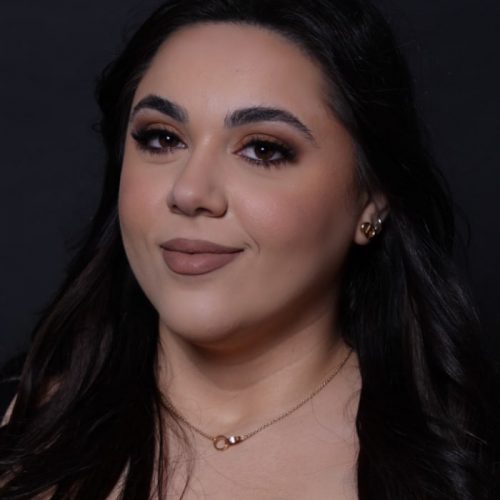
Marriage and Family Therapist Associate, MA
Medically reviewed by Verta Keshishyan, AMFT (Associate Marriage and Family Therapist), registered with the California Board of Behavioral Sciences and supervised by Ari Labowitz, LMFT. Verta has three years of experience with the Department of Mental Health supporting low-income families and families in crisis.
We specialize in treatments for mental health issues and co-occurring disorders.
We concentrate on mental health treatments and co-occurring conditions.
We provide a personalized approach to care.
We possess many years of relevant experience and a strong track record of success.
Every group is led by a master’s-level therapist.
Our partial hospitalization and intensive outpatient programs provide choices for morning, afternoon, or evening sessions.
We offer case management grounded in clinical evidence.
Experience a secure setting that allows you to concentrate on healing and maintaining a healthy way of life.
We provide opportunities to engage with individuals at every phase of recovery.
We accept most commercial PPO plans with out-of-network benefits. Coverage and costs vary by plan, and we verify your benefits before treatment.
We accept most commercial PPO plans with out-of-network benefits. Coverage and costs vary by plan, and we verify your benefits before treatment.