

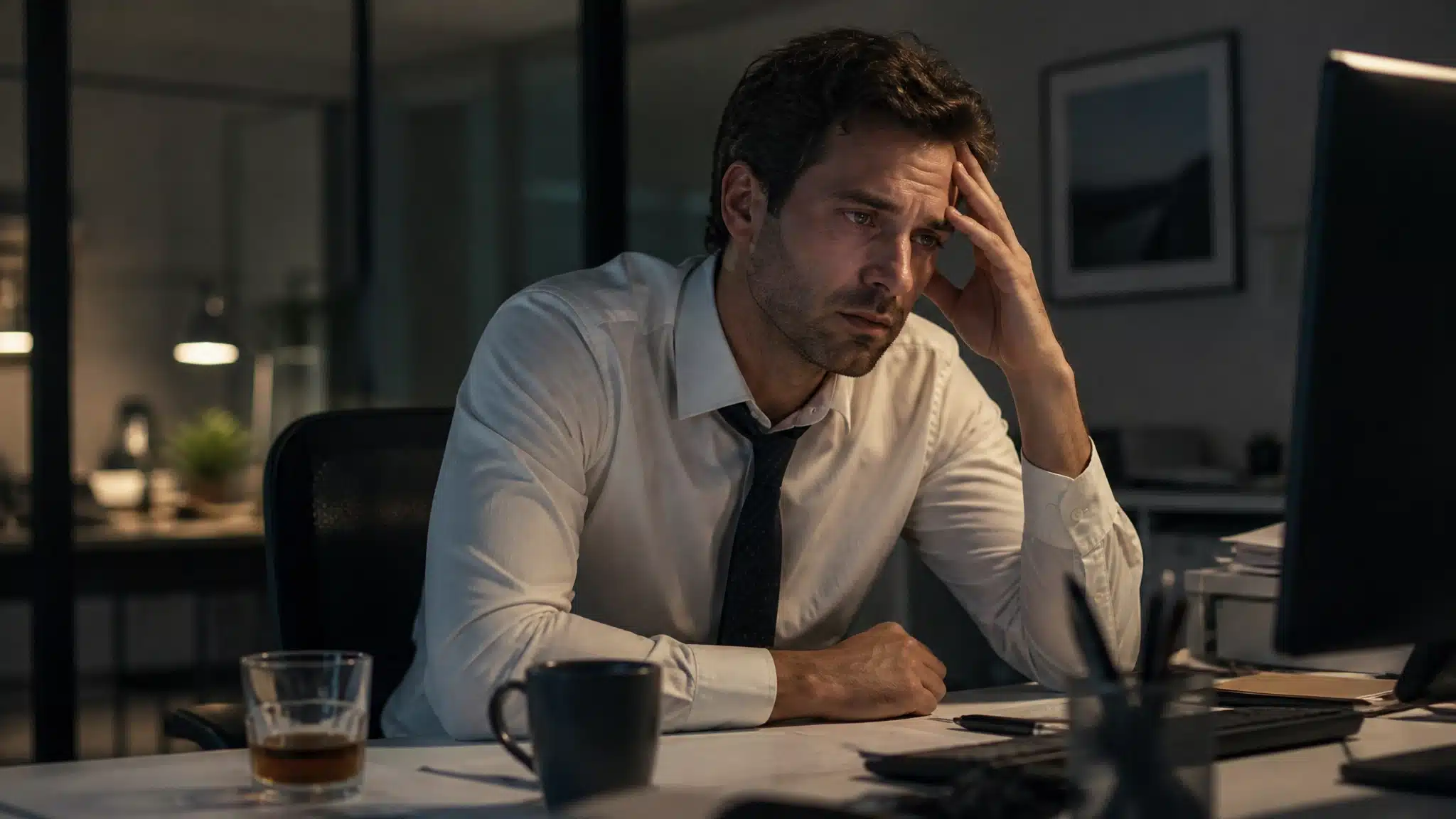
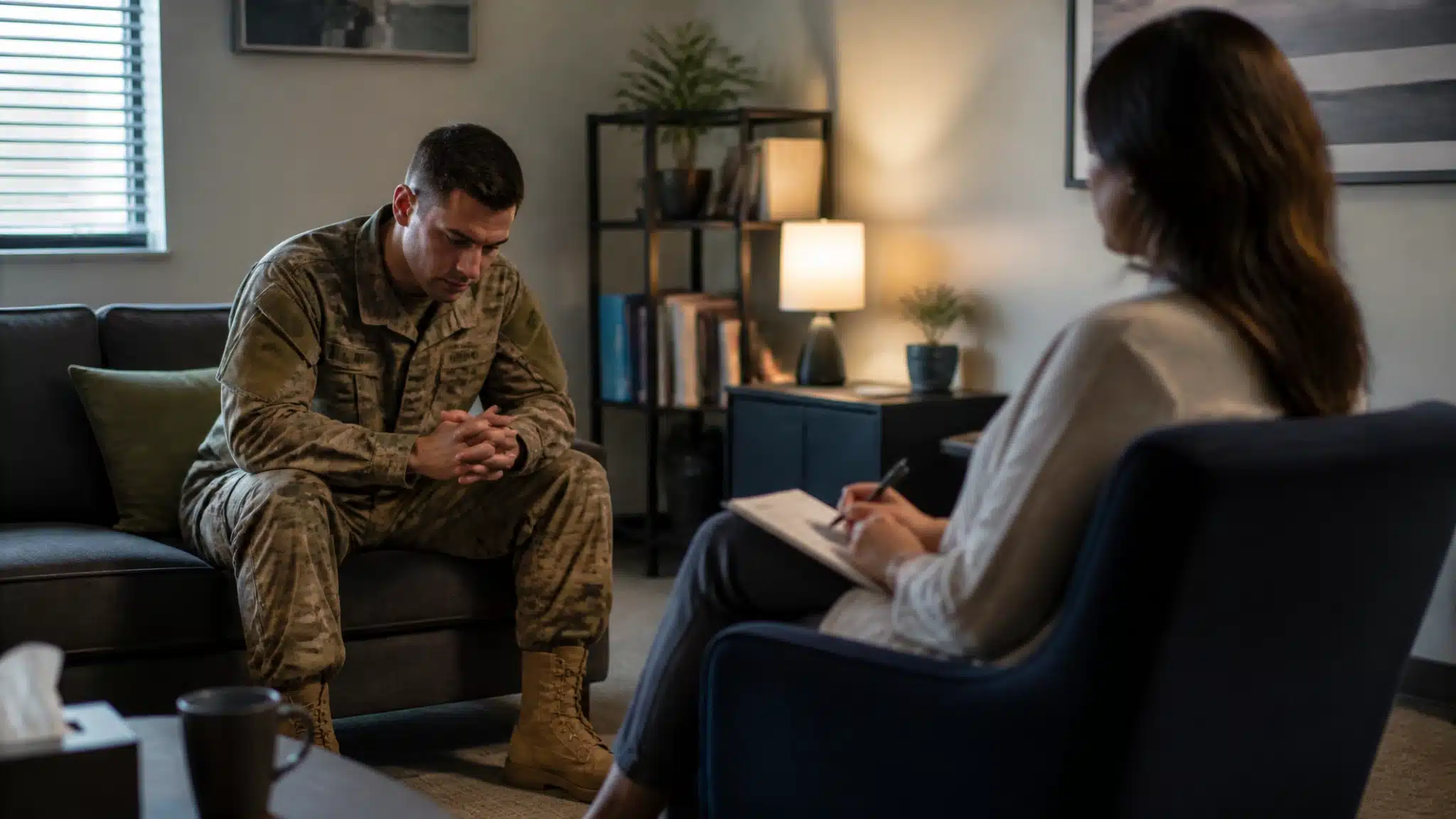


Crippling anxiety is severe enough to disrupt your daily functioning, driving you to avoid feared situations, cancel plans, and filter choices through fear instead of reason. It takes hold through genetics, brain chemistry, stress, and past experiences, and avoidance only reinforces it. You can regain control with small, gradual steps, diaphragmatic breathing, exercise, and consistent sleep. When self-help falls short, therapy and medication help. Understanding how to match treatment to your severity changes everything.
Key Takeaways
- Crippling anxiety interferes with daily functioning, triggering avoidance, cancelled plans, and missed work, school, or self-care.
- Regain control with small achievable steps, gradual exposure to feared situations, and diaphragmatic breathing during acute anxious moments.
- Support your progress through regular aerobic exercise, consistent sleep routines, mindfulness, and limiting caffeine, nicotine, and alcohol.
- Match treatment to severity: self-help for mild, CBT or exposure therapy for moderate, and psychotherapy plus medication for severe.
- Seek professional help when self-help falls short, and pursue urgent clinical evaluation during a crisis.
What does crippling anxiety actually mean
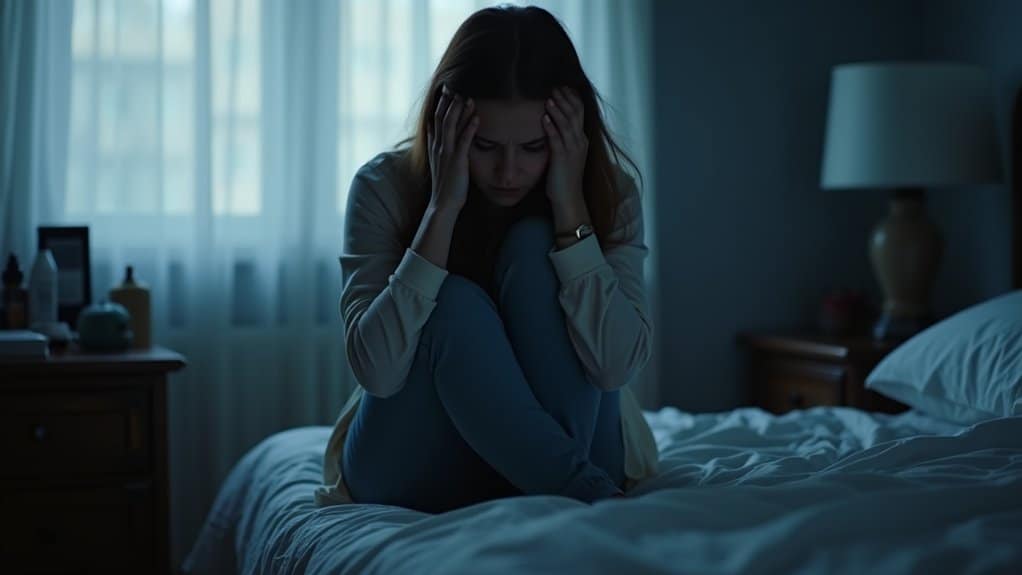
“Crippling anxiety” means anxiety so severe that it interferes with daily functioning. It’s not a clinical diagnosis, but the term captures what functional impairment feels like when anxiety takes over. You might avoid feared situations, cancel plans, miss work or school, or struggle with basic self-care. Understanding crippling anxiety symptoms can lead to better coping mechanisms. By recognizing these symptoms, individuals can seek appropriate support and develop strategies to manage their experiences.
What sets this apart is the impact: your anxiety isn’t just uncomfortable, it’s disruptive. Severe anxiety can overlap with panic, generalized anxiety, phobias, or other disorders, all of which respond to treatment. When symptoms disrupt your responsibilities or relationships, seeking professional help becomes an important, effective step.
Why does debilitating anxiety take hold for some people
Debilitating anxiety takes hold for some people because several factors often work together, though no single cause explains why anxiety escalates to this point. If you’re living with severe anxiety, know that it rarely stems from personal weakness. Genetics, brain chemistry, and past experiences can all raise your vulnerability to anxiety disorders. Ongoing stress, uncertainty, or trauma can intensify symptoms over time.
Avoidance plays a powerful role too. When you sidestep feared situations, you get short-term relief, but that pattern reinforces anxiety and shrinks your world. Habits like poor sleep, excess caffeine, or alcohol can quietly worsen things.
Treatment accessibility matters as well. When you can’t easily reach affordable, timely care, symptoms often escalate unchecked. Recognizing these overlapping factors helps you understand your experience without blame, and points toward effective, targeted support.
How does severe anxiety take over daily decisions

Severe anxiety takes over daily decisions by filtering your choices through fear rather than reason. Anxiety’s effects on decision-making narrow your focus toward perceived threats, making even routine choices feel risky. You might cancel plans, skip appointments, or delay tasks because avoidance offers temporary relief, though it quietly reinforces your fear over time.
This pattern feeds cognitive impairment. Racing thoughts, difficulty concentrating, and mental fatigue make it harder to weigh options clearly or trust your judgment. You may second-guess small decisions or freeze entirely, unable to move forward.
Over time, you start organizing your day around what feels safe instead of what matters to you. Recognizing this shift is an important first step toward reclaiming control over your choices.
How do treatments match to severity
Treatments match to severity based on how much anxiety disrupts your life. When symptoms stay mild, self-management strategies like breathing exercises, exercise, and better sleep often help. As anxiety severity climbs and daily functioning slips, treatment matching shifts toward evidence-based therapies like CBT or exposure therapy, sometimes paired with medication.
| Anxiety Severity | Typical Treatment Approach |
|---|---|
| Mild | Self-help, lifestyle changes, coping skills |
| Moderate | CBT or exposure therapy |
| Severe | Psychotherapy plus medication (SSRIs, SNRIs) |
| Crisis | Urgent clinical evaluation |
If your symptoms escalate or self-help isn’t working, a clinician can tailor a plan to your pattern and needs. You don’t have to guess. Matching care to severity gives you a clearer path forward.
How do you overcome crippling anxiety day to day

Overcome crippling anxiety day to day by taking small, achievable steps rather than seeking a single dramatic fix. You’ll build momentum by setting realistic goals and gradually facing situations you’ve been avoiding, since avoidance tends to reinforce fear over time. Effective anxiety management begins with slow diaphragmatic breathing during acute moments, moderate aerobic exercise most days, and consistent sleep routines that improve your resilience.
Practical coping strategies include mindfulness, meditation, and yoga to lower physiological arousal, alongside limiting caffeine, nicotine, and alcohol, which can worsen or mimic your symptoms. Track what triggers you, and celebrate incremental progress.
When self-help isn’t enough or symptoms escalate, professional treatment matters. A clinician can offer CBT, exposure therapy, or medication tailored to your specific pattern and severity.
Which coping skills give back the most control
The coping skills that give back the most control target the mechanisms that keep anxiety running: physiological arousal, avoidance, and depletion. When you calm your body, face what you’ve been dodging, and protect your rest, you interrupt the cycle instead of just soothing symptoms temporarily.
- Breathing exercises: Slow, paced diaphragmatic breathing lowers your heart rate and signals safety, giving you immediate physical control during acute spikes.
- Gradual exposure therapy: Facing feared situations in small steps reduces avoidance, which otherwise reinforces anxiety over time.
- Sleep hygiene: Consistent routines improve emotional regulation and concentration, building resilience.
- Small, achievable goals: Completing manageable tasks rebuilds confidence and proves you can function despite discomfort.
These skills compound with practice.
What keeps the gains once you feel better
Keeping the habits that got you well is what protects your gains. Protecting your progress isn’t about staying vigilant for danger; it’s about maintaining the coping strategies that lowered your anxiety in the first place. Keep exercising, protect your sleep, and practice your breathing even on calm days, so these skills stay ready when stress returns.
Don’t abandon anxiety management once symptoms fade. Avoidance tends to creep back quietly, so keep facing situations you’d rather skip. Notice early warning signs, such as rising tension, disrupted sleep, or renewed avoidance, and respond before they escalate.
If symptoms return despite your efforts, reconnect with your clinician. Continuing therapy or medication as advised protects the progress you’ve worked hard to build.
Why choose Quest Wellness Center for severe anxiety
Quest Wellness Center treats severe anxiety with evidence-based care tailored to your symptom pattern and severity, addressing the whole condition, not just the symptoms. You won’t navigate this alone. Our clinicians combine proven psychotherapy with medication management when needed, so your treatment plan fits your life.
Severe anxiety deserves evidence-based care that treats the whole condition, not just symptoms, and you won’t navigate it alone.
- First-line CBT and exposure therapy delivered by trained clinicians who understand fear-based avoidance
- Coordinated medication options, including SSRIs, SNRIs, and others, when combination care makes sense
- Personalized assessment that rules out medical causes and clarifies your diagnosis
- Ongoing support to maintain your gains and prevent setbacks
When self-help isn’t enough, seeking professional help here means you’ll get compassionate, clinically sound care built around you.
When Anxiety Is Shrinking Your Daily Life
If anxiety is making it harder to work, attend school, keep appointments, leave home, or manage normal responsibilities, more structured treatment may help you regain stability. Quest Wellness Center offers PHP, IOP, outpatient care, therapy, medication management, and virtual treatment for people dealing with anxiety and related mental health concerns. An assessment can help determine how much support you need right now. Call (818) 275-9810 to discuss your treatment options.
Frequently Asked Questions
Can Crippling Anxiety Go Away Completely Without Treatment?
Sometimes it eases on its own, especially when a temporary stressor passes, but crippling anxiety rarely disappears completely without treatment. When it’s interfering with your daily life, avoidance tends to reinforce it over time, making symptoms stick around or worsen. You don’t have to wait it out alone. Evidence-based options like CBT, exposure therapy, and medication work well, and you deserve support to feel like yourself again.
Is Crippling Anxiety Hereditary or Passed Down Through Families?
Anxiety can run in families, so you may inherit a genetic vulnerability that raises your risk. But genes aren’t destiny. Your environment, stress levels, sleep, and life experiences also shape whether severe anxiety develops. Even if it runs in your family, you’re not guaranteed to struggle with it, and effective treatments like CBT and medication work regardless of the cause. If anxiety is disrupting your life, a clinician can help.
How Long Does Anxiety Medication Take to Start Working?
Medication timelines vary depending on what you’re taking. If you’re starting an SSRI or SNRI, you’ll typically notice meaningful improvement within four to six weeks, though some early changes can appear sooner. Fast-acting options like beta-blockers or hydroxyzine work within hours for specific situations. Buspirone often takes a few weeks too. Don’t stop early if you don’t feel immediate relief. Give it time, and check in with your prescriber about adjustments.
Can Children and Teenagers Experience Crippling Anxiety Too?
Yes, children and teenagers can experience crippling anxiety too. You might notice avoidance of school, canceled plans, irritability, or physical complaints like nausea, headaches, or trouble sleeping. When anxiety interferes with your child’s daily activities, friendships, or responsibilities, it warrants clinical attention. You’ll find that evidence-based treatments like cognitive behavioral therapy and exposure therapy work well for young people. Don’t wait to seek help if symptoms are escalating or feel overwhelming.
Does Insurance Typically Cover Anxiety Therapy and Treatment?
Many insurance plans cover anxiety therapy and treatment, though coverage and costs vary by plan. You’ll often find coverage for psychotherapy, like CBT, and medications such as SSRIs or SNRIs. It’s worth checking your plan’s details, including copays, deductibles, and coinsurance. Quest Wellness Center accepts most commercial PPO plans with out-of-network benefits, and we verify your benefits before treatment so you know your costs before you start. If cost concerns you, ask about payment options or community resources that can make treatment more affordable.