






Family and relationship support during IOP means your loved ones aren’t sidelined, they’re active participants in your recovery. Through family therapy sessions, psychoeducation, and skill-building groups, you’ll strengthen communication, set healthy boundaries, and address dynamics that may be undermining progress. Research shows family involvement increases treatment completion rates to over 83% and reduces relapse risk. IOP schedules offer flexible evening and virtual options so your family can realistically engage. Below, you’ll find the specific strategies that make this collaboration work. Managing daily responsibilities during treatment can be challenging, but it is essential for maintaining a sense of normalcy. By actively involving your family in this process, you can create a support system that helps balance both care and obligations. This collaboration not only fosters accountability but also reinforces the tools and skills you are learning in therapy, enhancing overall success.
What Family Support Looks Like During IOP

When a loved one enters an intensive outpatient program, family support goes far beyond simply dropping them off at sessions. Family involvement outpatient treatment includes participating in assessment and feedback sessions, joining multi-family skill groups, and engaging in psychoeducation about diagnoses and emotional dysregulation. You’re not a bystander, you’re an active collaborator in treatment planning.
Through family therapy outpatient addiction treatment, you’ll practice structured communication exercises and daily listening assignments that strengthen empathy and cohesion. Parent peer support groups offer connection with other caregivers facing similar challenges. These spaces help you model healthy coping skills at home while rebuilding relationships recovery program efforts require. When you engage consistently, you reinforce your loved one’s commitment and create a relational foundation that sustains progress well beyond discharge. This level of consistent family engagement is a major factor in enhancing attendance and adherence to suggested treatments throughout the course of care.
Why Family Involvement Leads to Better IOP Outcomes
Because family involvement reshapes the relational system surrounding recovery, it directly influences whether someone completes IOP and sustains their gains afterward. When your family actively participates, you’re 1.4 times more likely to complete treatment per session attended.
Family support during IOP strengthens outcomes through several measurable pathways:
- Higher retention: Session attendance reaches 84% with family involvement versus 75% without
- Reduced relapse: Improved family cohesion lowers relapse rates post-treatment
- Extended engagement: Family therapy increases length of stay by an average of two weeks
- Stronger communication: Conflict behaviors decrease while empathy grows
- Lasting recovery: Engaged families create home environments that sustain gains
Relationship support addiction recovery research consistently confirms that when your system heals together, individual outcomes improve considerably. Family participation also helps reduce stigma around addiction and mental health, encouraging open dialogue that further reinforces the recovery process.
How IOP Schedules Leave Room for Family Participation
IOP programs typically require nine to fifteen hours of structured care per week, spread across three to five sessions, which means your family’s daily routines don’t have to unravel for treatment to work. With evening, morning, and weekend scheduling options, you can attend sessions without pulling away from shared meals, school pickups, or other responsibilities that keep your household stable. Many programs also build dedicated family therapy slots directly into the weekly schedule, so your loved ones can participate in treatment without it feeling like an added burden. Because addiction impacts the entire family, these sessions help everyone access the comprehensive support systems needed to navigate recovery together.
Flexible Weekly Treatment Hours
Most intensive outpatient programs structure their sessions in blocks of three to four hours per day, typically spanning three to five days each week. This means you’re committing approximately nine to twenty hours weekly, leaving substantial time for family connection and shared responsibilities.
This flexibility supports your family system in meaningful ways:
- Evening and mid-day session options let you maintain dinner routines or school pickups
- Phased scheduling often reduces from five days weekly to three as you progress
- Nightly returns home preserve your presence in daily family life
- Virtual care options minimize travel time and increase availability
- Work and school accommodations prevent financial strain on your household
You don’t have to choose between treatment and family participation, IOP’s structure intentionally holds space for both.
Preserving Daily Family Routines
When your treatment schedule fits around the rhythms your family already depends on, recovery doesn’t have to mean dismantling the stability you’ve built at home. With sessions structured across 9, 19 hours weekly, you’ll still have time for school pickups, shared meals, and bedtime routines that anchor your household.
Evening and weekend session options preserve the daily patterns your family counts on. Transportation coordination and practical support help you maintain consistent attendance without disrupting other responsibilities. A typical 12-week schedule with three weekly groups creates predictability, something your whole family system benefits from.
Celebrating consistent session attendance reinforces stability at home. Substance monitoring supports your ongoing participation in family life, and each week’s structure helps you stay present where it matters most.
Scheduled Family Therapy Sessions
Because IOP programs structure sessions across multiple days each week, typically three to five, there’s built-in flexibility for dedicating specific time slots to family therapy without pulling you or your loved ones away from work, school, or caregiving responsibilities.
These sessions are integrated directly into your treatment plan, not treated as optional extras. Licensed therapists facilitate structured conversations that address relational dynamics affecting your recovery.
Key components of scheduled family therapy within IOP include:
- Communication and conflict resolution skill-building tailored to your family’s specific patterns
- Educational sessions helping loved ones understand your condition and recovery process
- Virtual participation options for family members who can’t attend in person
- Multidisciplinary coordination ensuring family work aligns with your individual treatment goals
- Evening and flexible scheduling accommodating diverse family commitments
Core Family Therapy Methods Used in IOPs
Psychoeducation equips your loved ones with accurate information about withdrawal, cravings, and relapse warning signs, reducing shame and enabling informed support. Motivational interviewing helps you and your family resolve ambivalence about change through collaborative, non-judgmental dialogue that respects everyone’s autonomy. Coaching for support members teaches specific communication strategies, active listening, and boundary-setting so your network can encourage recovery without enabling harmful behaviors. Each method targets distinct relational layers, creating a thorough therapeutic framework.
Skill-Building Groups That Involve the Whole Family
Beyond individual therapy methods, IOPs structure skill-building groups that bring your entire family into the treatment room, not as observers, but as active participants. These groups target the relational patterns that either support or undermine recovery.
Your family can engage in sessions such as:
- DBT Mindfulness and Meditation to develop shared emotional regulation skills
- Life skills training that strengthens executive functioning with family reinforcement at home
- Relapse Prevention and Weekend Planning groups addressing family-based recovery strategies
- Healthy relationships groups targeting family dynamics and interpersonal skills
- Experiential and Art Therapy offering alternative ways to process experiences together
Each group builds concrete skills you’ll practice beyond the clinical setting, reinforcing recovery within your family’s daily life. One effective way to support this process is through an intensive recovery program designed specifically for families. With tailored activities and resources, participants can learn how to implement daily practices that promote sustained well-being. Engaging in these strategies together fosters a supportive environment, making recovery a collective effort.
How Parents and Partners Take Part in IOP Care
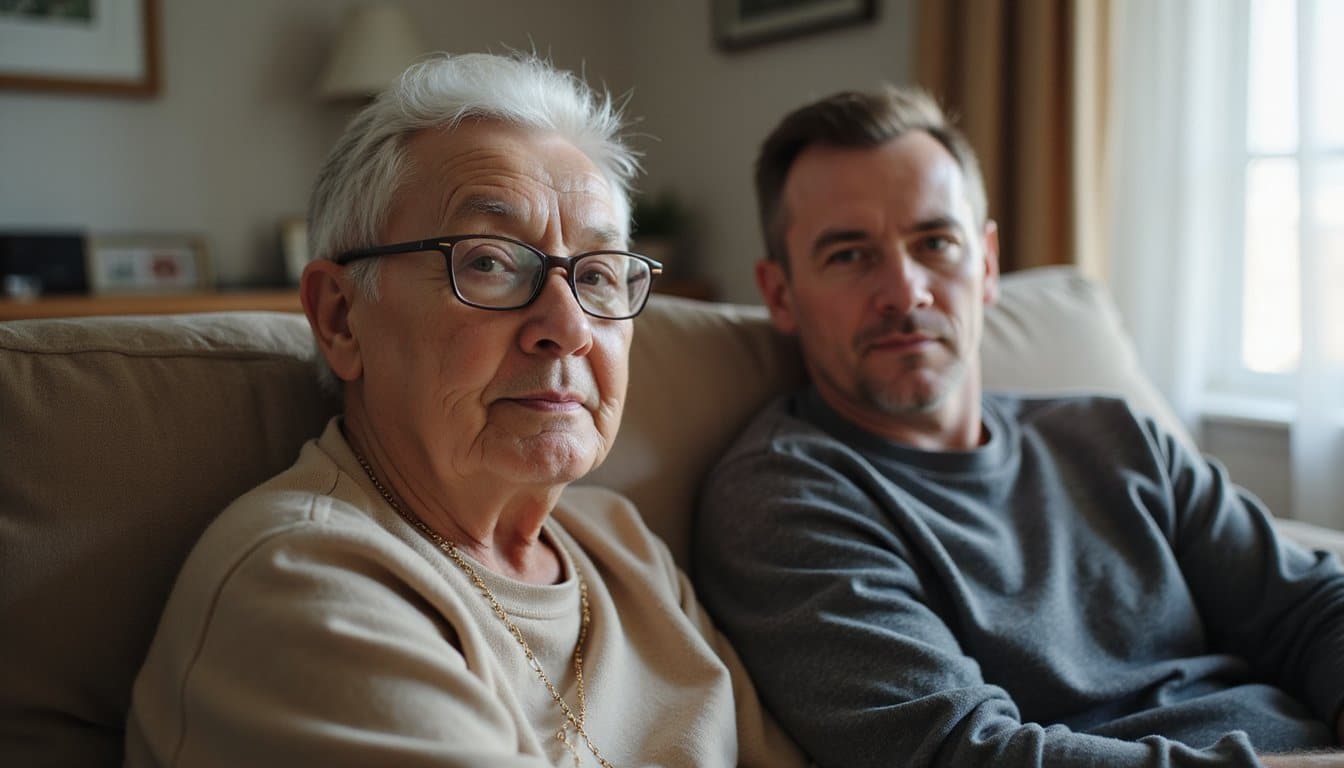
When parents and partners actively participate in IOP care, treatment outcomes shift dramatically, youths with at least one family therapy session stayed in treatment a median of 11 weeks compared to 9 weeks without, reached an 84.38% attendance rate versus 75.00%, and completed treatment at 83.2% compared to 59.2%.
Each additional family therapy session raised your odds of completion 1.4-fold. Family engagement also reduced early dropout risk, where baseline rates otherwise ranged from 28% to 75%. Despite these benefits, only 49.3% of patients received family therapy during IOP.
Your involvement extends beyond attending sessions. Parental peer support groups showed 100% satisfaction among participants, with parents reporting improved conflict behaviors and help-seeking attitudes. Partners and parents who engage in individualized case management, psychoeducation, and measurement-based feedback sessions strengthen the relational foundation that sustains long-term recovery.
Reducing Family Conflict Through Structured IOP Sessions
Even with strong attendance and completion rates, unresolved family conflict can erode the relational gains that keep recovery on track. Structured IOP sessions address this directly by equipping your family with concrete tools:
- CHATogether discussions open non-hierarchical conversations on conflict topics, helping you seek middle ground and build cohesion
- DBT multi-family skill groups teach mindfulness modules so you can recognize Emotional Mind and diffuse impulsive reactions
- Daily listening assignments require attentive, uninterrupted listening at designated times
- Therapist-mediated conflict resolution provides safe spaces where trained clinicians model mentalization and validation
- Weekly family meetings establish clear boundaries, define roles, and review measurable progress
These interventions don’t eliminate disagreements, they restructure how your family navigates them. When you practice empathy and communication skills in real time, conflict becomes a pathway toward relational repair rather than relapse.
Mental Health Gains Families Can Expect From IOP
When your family actively participates in IOP, you can expect measurable reductions in conflict as structured sessions help you practice healthier communication and establish clearer boundaries. These relational shifts often correspond with meaningful symptom score improvements, research shows depression scores dropping from a T-score of 61.1 to 47.6 and anxiety scores falling from 63.1 to 45.7 when families engage in treatment together. As tension decreases within your family system, each member’s individual mental health tends to benefit, creating a reinforcing cycle of recovery and connection.
Reduced Family Conflict
Because conflict within a family system often intensifies alongside a member’s mental health struggles, IOP programs that directly address relational dynamics can produce meaningful shifts in how families interact.
Through structured interventions like CHATogether, you can expect measurable reductions in conflict behaviors by discharge. Specifically, families in these programs experience:
- Lower conflict behavior scores on standardized measures like the CBQ
- Improved depression and anxiety symptoms alongside relational gains
- Decreased pessimism, hopelessness, and despair as suicide risk factors diminish
- Greater mutual understanding as family units become more reflective together
- Compassionate communication during frustration, replacing reactive patterns with shared activities
These changes don’t happen in isolation. When you reduce conflict at home, you’re simultaneously strengthening the relational foundation that supports sustained recovery beyond IOP. Integrating effective selfcare practices for recovery into your daily routine can significantly enhance your overall well-being. By prioritizing these practices, you create a more balanced environment that fosters personal growth and resilience. This holistic approach not only aids in individual healing but also reinforces the support system within your relationships.
Symptom Score Improvements
Beyond relational shifts, IOP produces concrete, trackable changes in mental health symptoms that families can observe and measure. Research shows PHQ-9 scores improve markedly between intake and discharge, particularly for adolescents and young adults with co-occurring conditions. Standardized instruments like the SCL-90R capture meaningful reductions in psychological distress, giving your family objective markers of progress rather than guesswork.
These improvements aren’t fleeting. Problem severity continues declining at three- and nine-month follow-ups, suggesting that gains made during IOP extend well beyond the treatment window. When you can see your loved one’s symptom scores dropping, it reinforces your family’s collective investment in recovery. You’re not just hoping things are getting better, you’re watching documented evidence that the system you’ve built together is working.
What to Do When Family Dynamics Stall Recovery
Even though family relationships can be a powerful source of support during intensive outpatient treatment, they can also become one of the most significant obstacles to progress when unhealthy dynamics go unaddressed. When recovery stalls, it’s essential you examine relational patterns contributing to stagnation.
Key dynamics that undermine progress include:
- High-conflict environments that double relapse risk through chronic stress
- Enabling behaviors that raise relapse rates by 50% and erode accountability
- Codependent patterns that prevent you from developing necessary autonomy
- Unresolved family trauma that triggers emotional dysregulation during treatment
- Communication breakdowns that obscure early warning signs of relapse
Family therapy participation increases long-term sobriety rates to 65%, compared to 41% with individual therapy alone. You don’t have to navigate these corrections independently.
Build a Family Support Plan That Outlasts IOP
While intensive outpatient treatment provides critical structure and clinical support, the real test of recovery begins when that structure falls away. That’s why you should collaborate with your treatment team on discharge planning early, before gaps in care emerge.
Identify what comes next: continued individual or family therapy, teen DBT groups, or community-based peer support. Work with educators to establish school accommodations and build schedules that balance academics, activities, and self-care.
Define clear boundaries, roles, and accountability structures within your family. Align on expectations together. Maintain honest, judgment-free communication, ask open-ended questions, listen actively, and adjust your approach based on feedback.
Recovery doesn’t end when IOP does. The relational patterns you strengthen now become the foundation your family carries forward.
Reconnect, Recover, and Thrive
Healing is never a journey you have to take alone and the people around you play a powerful role in your recovery. At Quest Wellness Center, we offer an IOP Program built around your individual needs, goals, and circumstances, giving you a clear and structured path forward from day one. Call (818) 275-9810) today and start building the life you’ve been working toward.
Frequently Asked Questions
How Much Does Family-Inclusive Intensive Outpatient Treatment Typically Cost?
You can expect family-inclusive intensive outpatient treatment to cost between $250 and $650 per day, or roughly $3,000 to $10,000 for a standard 12-week program without insurance. If you’re carrying insurance, your out-of-pocket costs may drop to $20 to $200 per session. Sliding scale fees are also available based on your income. Programs incorporating family therapy may fall toward the higher end, reflecting the additional relational and clinical support you’ll receive.
Can Family Members Attend IOP Sessions Remotely or Virtually?
Yes, your family members can attend IOP sessions remotely through secure, HIPAA-compliant virtual platforms. They’ll join dedicated family therapy sessions, educational workshops, and support groups from any location, eliminating travel barriers for distant or mobility-limited loved ones. Programs like Trinity Behavioral Health integrate family therapy as a core component of their virtual IOP, often without extra costs. You’ll find flexible evening and weekend scheduling that accommodates everyone’s work and caregiving responsibilities.
What Happens if a Family Member Refuses to Participate in IOP?
If a family member refuses to participate, your treatment team can adjust your plan to focus on individual therapy and skill-building. You’ll still develop healthier communication patterns and boundaries on your own. It’s important to understand that refusal doesn’t mean permanent rejection, readiness often shifts over time. Your therapist can help you navigate these dynamics, and you can explore family support resources like Al-Anon that may eventually encourage your loved one’s involvement.
Are There Age Restrictions for Family Members Joining IOP Sessions?
Most programs don’t impose upper age restrictions on family members joining IOP sessions. You’ll find that parents, guardians, and caregivers can participate in family therapy and multifamily groups regardless of their age. For pediatric IOPs, the age ranges typically apply to the identified client, not the supporting family members. You’re encouraged to contact your specific program directly, as they’ll clarify any participation guidelines and help you engage meaningfully in the recovery process.
How Do IOPS Handle Confidentiality When Family Members Are Involved?
IOPs protect your confidentiality by obtaining your consent before sharing specific information with family members. Your treatment team distinguishes between general and specific details, they can educate your loved ones about addiction science and recovery without disclosing your personal information. If you’re hesitant about family involvement, clinicians won’t simply accept your refusal; they’ll explore your concerns and find comfortable ways to include supportive relationships while respecting your boundaries throughout the process.