




Yes, you can detox from fentanyl at home, but it’s rarely the safest choice. Unsupervised withdrawal can escalate fast, triggering severe vomiting, diarrhea, and dangerous dehydration. Without monitoring, complications like seizures, cardiovascular stress, or coma may go untreated. The biggest threat comes afterward: detox drops your tolerance quickly, so relapsing at a prior dose can stop your breathing and kill you. Understanding these risks, and your safer options, could save your life.
Key Takeaways
- Home detox from fentanyl is possible but rarely advisable due to serious, quickly escalating withdrawal risks.
- Unsupervised detox lacks hydration monitoring, vital sign tracking, and medication induction, leaving complications untreated as they worsen.
- Severe dehydration from persistent vomiting and diarrhea, plus cardiovascular stress, seizures, or coma, can become life-threatening.
- Relapse is the deadliest risk, since lowered tolerance makes returning to prior doses potentially fatal.
- Supervised care offers continuous monitoring, evidence-based medication management, and structured relapse prevention as a safer alternative.
Can you detox from fentanyl at home

You can detox from fentanyl at home, but doing so is rarely the right choice and carries serious risks. So can you detox from fentanyl safely without supervision? Generally, no. When you detox fentanyl on your own, you face severe withdrawal symptoms, persistent vomiting, diarrhea, and dehydration, that can escalate quickly and become life-threatening without clinical intervention. You might wonder, can you die from fentanyl withdrawal? It’s rarely directly fatal in healthy adults, but the real danger lies in complications like severe dehydration, seizures, or coma, plus the drastically increased risk of relapse and fatal overdose once your tolerance drops. Home detox only works when symptoms stay mild to moderate and you’ve got reliable support present.
What drives people to try it alone
Several factors push people toward detoxing alone, and understanding them helps clarify why the choice feels reasonable despite its dangers. You might face financial barriers, lacking insurance or the funds for supervised care. Privacy concerns also weigh heavily. You may fear stigma, judgment, or professional consequences if others learn you’re trying to detox off fentanyl. Some of you distrust the medical system after past negative experiences. Others believe searching “how do you detox from fentanyl” online provides enough guidance to manage symptoms independently. You may underestimate the severity, assuming that learning how to detox from fentanyl at home is straightforward. Convenience and a desire for autonomy add pressure. These reasons feel valid, but they overlook the life-threatening complications and relapse risks that unsupervised withdrawal carries.
Which medical dangers are most serious
The most dangerous risk of detoxing from fentanyl without medical supervision is relapse, because detox drops your tolerance fast, so returning to your previous dose can stop your breathing and kill you. That drastically increased overdose risk makes unsupervised quitting especially deadly.
Beyond relapse, several complications can escalate quickly and threaten your life. Persistent vomiting and diarrhea can cause severe dehydration and elevated blood sodium levels, which can spiral into heart failure if you don’t get clinical intervention. Your cardiovascular system faces added stress, with a rapid heart rate and elevated blood pressure that demand monitoring. Without supervision, you also risk a seizure or coma. Watch for warning signs like chest pain, confusion, or trouble breathing. These require immediate medical attention.
How does home detox compare to supervised care
Home detox leaves you managing intense symptoms without the safeguards that supervised care provides, because fentanyl’s potency and short half-life produce especially harsh withdrawal. At home, you risk severe dehydration from persistent vomiting and diarrhea, unmonitored cardiovascular stress, and the possibility of seizure or coma. Supervised care offers fluids, monitoring, and gradual medication induction that address these dangers directly.
| Home Detox | Supervised Care |
|---|---|
| No monitoring of hydration or vitals | Continuous clinical monitoring |
| No medication induction | Gradual, managed medication |
| High relapse and overdose risk | Structured relapse prevention |
| Untreated complications escalate | Immediate intervention available |
The crucial difference is tolerance: after detox, returning to a previous dose can stop your breathing. Supervised care reduces that risk substantially, making it the safer choice.
Can you die from fentanyl withdrawal

Fentanyl withdrawal rarely kills a healthy adult directly, but it can still turn deadly through its complications. Persistent vomiting and diarrhea can trigger severe dehydration and elevated sodium levels, which escalate quickly without clinical intervention. Left untreated, this dehydration can stress your cardiovascular system, driving rapid heart rate and elevated blood pressure that may progress to heart failure. Attempting unsupervised detox can also provoke a seizure or coma.
The greatest threat, though, isn’t the withdrawal itself. Detox lowers your tolerance fast, so returning to a previous dose can stop your breathing and cause a fatal overdose. Psychological distress often drives you back to use, and today’s unpredictable illicit supply, laced with benzodiazepines or xylazine, compounds that danger. Watch for chest pain, confusion, or trouble breathing, and seek immediate care.
How does relapse after detox raise overdose risk
Relapse after detox raises overdose risk because detox lowers your opioid tolerance fast, and that drop is exactly what makes relapse so deadly. Once your body clears fentanyl, it no longer handles the doses you previously tolerated. If you return to use after even a short break, a familiar dose can suppress your breathing and kill you. Psychological distress, including cravings, anxiety, and depression, often drives you back to use, and that pull intensifies overdose risk substantially. The danger compounds with an unpredictable illicit supply. Fentanyl frequently contains hidden benzodiazepines or xylazine, so you can’t gauge potency or safety when you resume. This combination of drastically reduced tolerance and contaminated drugs makes post-detox relapse the leading cause of fatal overdose. That’s why quitting without medical supervision poses such a serious, potentially deadly risk to you.
How do you detox from fentanyl more safely
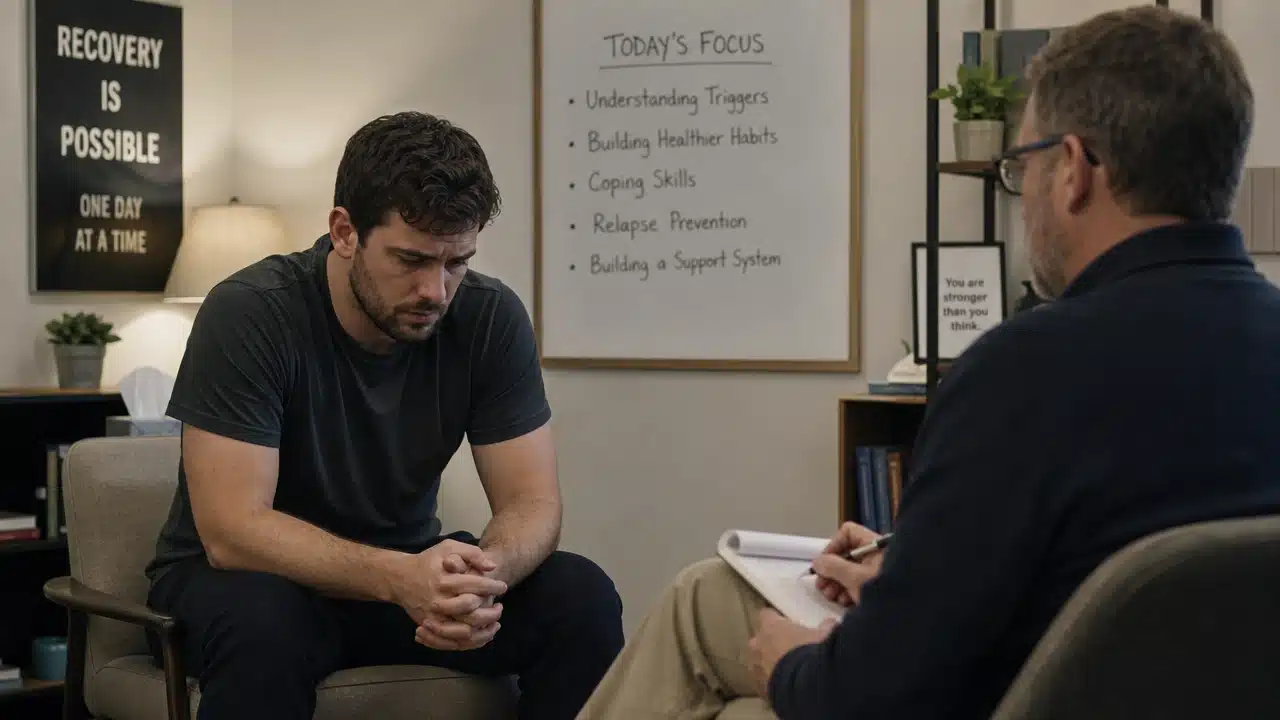
Detoxing safely means getting under medical supervision, not toughing it out alone. Fentanyl’s high potency, short half-life, and unpredictable behavior in the body make professional monitoring essential. In a clinical setting, providers manage your fluids to prevent severe dehydration from vomiting and diarrhea, track your heart rate and blood pressure, and watch for complications like seizures or elevated sodium levels.
Medical detox also allows gradual medication induction to ease severe cravings, nausea, muscle aches, and anxiety. This structured approach reduces your relapse risk and, critically, protects you from the fatal overdose that can follow when tolerance drops.
If you’re pregnant, have heart or lung disease, use multiple substances, or lack reliable support at home, supervised care isn’t optional, it’s necessary for your safety.
Is there a safer path at Quest Wellness Center
Yes, Quest Wellness Center offers a safer path through supervised care that a home detox can’t provide. Because fentanyl withdrawal carries real medical risks, you’ll receive continuous monitoring of your heart rate, blood pressure, hydration, and mental state, so complications like severe dehydration, seizures, or cardiovascular stress get caught early. Clinicians manage your symptoms with evidence-based medications and gradual induction, easing the intense cravings, nausea, and anxiety that often overwhelm people detoxing alone.
Just as important, supervised care lowers your relapse risk. Because tolerance drops fast during withdrawal, returning to use can stop your breathing and prove fatal. At Quest, you’re supported through the psychological distress that drives relapse, and you’re protected from the unpredictable, contaminated illicit supply. That structured, monitored path gives you a genuinely safer option.
A Safer Path Than Going It Alone
Detoxing from fentanyl at home carries real risks, but you don’t have to choose between doing it alone and getting no help at all. Quest Wellness Center supports people through recovery once they’ve completed a medically supervised detox, providing structured outpatient care including IOP and virtual IOP. Our team helps you manage cravings, post-acute symptoms, and the mental health struggles underneath opioid use, all while you live at home. If you or someone you love is figuring out the safest way forward, reach out. Call (818) 275-9810 to talk through your options. If you’re in withdrawal or crisis right now, seek medical care or call 988 first.
Frequently Asked Questions
Are there remedies or over-the-counter products that make home detox safe?
No, and this is worth being clear about. There’s no supplement, over-the-counter product, or home remedy that prevents fentanyl withdrawal when you stop suddenly, and there’s no “relief patch” designed for it. Some people find basic comfort measures like hydration, rest, and a multivitamin take a small edge off, but none of that addresses the real dangers: severe dehydration, the intensity of the symptoms, or the relapse risk. What actually makes detox safer and more tolerable is medical supervision with proper symptom management, not anything you can buy off a shelf.
Is tapering off fentanyl at home safer than quitting cold turkey?
Tapering is generally gentler than stopping abruptly, since gradually reducing the dose gives your body time to adjust and tends to produce milder symptoms. But there’s a catch with doing it yourself: people very commonly overestimate their ability to taper on their own, and with fentanyl, controlling use is exactly what addiction makes difficult. An unsupervised taper often turns into a return to full use. A taper is safest when a physician designs and oversees the schedule, which is why even this gentler approach is recommended in a medical setting rather than at home.
What warning signs mean someone in withdrawal needs emergency care?
Certain symptoms shouldn’t be ridden out at home. Persistent vomiting and diarrhea that won’t stop can cause dangerous dehydration and electrolyte imbalances, and signs like a racing or irregular heartbeat, chest pain, confusion, inability to keep any fluids down, or fainting warrant immediate medical attention. Severe mental health distress, including any thoughts of self-harm, is also an emergency. If any of these appear, call 911 or get to an emergency room. When in doubt, it’s safer to be evaluated than to wait, since these complications can escalate quickly.
Why do so many people relapse when they try to detox at home?
Because the setup works against them. Fentanyl’s early withdrawal is intense and comes on fast, and the craving to make it stop can be overwhelming, so using again is right there as the obvious relief with nothing structural in the way. At home there’s no medication easing the symptoms and no team holding you accountable through the worst hours. The cruel part is that relapsing after even a short break is especially dangerous, because tolerance drops quickly and a previously normal dose can be fatal. That combination is why home attempts so often fail and can turn deadly.
Does getting medical help mean I have to check into an inpatient facility?
Not necessarily for everything. Medically supervised detox itself is often safest in a monitored setting given fentanyl’s intensity, but the recovery that follows detox is frequently handled on an outpatient basis. Many people complete detox and then step into structured outpatient care like an IOP or virtual IOP, where they continue treatment, including medication management and therapy for cravings and underlying mental health, while living at home. So getting real help doesn’t have to mean putting your whole life on hold. It often means a short supervised detox followed by flexible outpatient support.