
Verify Insurance
Fast • Secure • Confidential
Speak with our team today
IOP for Century City runs through Quest Wellness Center as a virtual program across California, with in-person sessions at our North Hollywood facility for anyone willing to make the drive over the hill. Anyone searching iop Century City lands on that facility, reachable virtually or in the room. The program treats depression, anxiety, PTSD, trauma, and co-occurring substance use across morning, afternoon, and evening tracks, running 3 to 4 hours a day, 3 to 5 days a week.
Geography sets the terms here. Quest Wellness Center is in North Hollywood, and Century City sits on the other side of the Santa Monica Mountains, reached over Coldwater or Laurel Canyon or around on the 405. Off-peak that is 30 to 40 minutes. At the hours an IOP session actually runs, morning and early evening, the canyon roads and the 405 are at their worst, and the trip can stretch well past that.
Doing that drive three to five times a week, on top of a 3 to 4 hour clinical session, is not realistic for most working people in Century City. Virtual IOP takes it off the table. The program runs on secure platforms across California and carries the same clinical structure as in-person care: the same groups, the same individual therapy, the same case management, delivered to wherever you are. The North Hollywood facility stays open for anyone who does want to attend in the room, and hybrid attendance lets you combine the two. For anyone who does want the room, that room is our mental health IOP in North Hollywood, the facility behind this program.
Century City is an office district first, dense with law firms, agencies, and finance, and the people who work there tend to hold demanding schedules that do not bend easily around treatment. That is exactly the situation virtual IOP is built for. You keep the workday intact, attend an evening session from a private space, and skip the commute in both directions.
For a lot of people in that position, the alternative has been weekly therapy, because anything more intensive seemed impossible to fit in. IOP changes the math. It delivers 9 to 20 clinical hours a week, well beyond a single weekly session, without requiring you to leave the Westside or explain a daily absence to an employer. It’s the same care offered across the basin as mental health IOP in Los Angeles.
Quest treats mental health and any co-occurring substance use inside a single plan rather than in sequence. The main focuses are depression, anxiety and panic symptoms, PTSD and complex trauma, personality and mood disorders, suicidal ideation, and co-occurring substance use through dual diagnosis.
Keeping both in one plan is deliberate. Treat the anxiety and leave the drinking that built up next to it, and the drinking keeps dragging the anxiety back. Treat the substance use and leave the trauma beneath it, and relapse stays close. The approach that holds works on both at once.
Quest runs morning, afternoon, and evening tracks, identical in clinical content and differing only in the hour. The right one depends on how your day is built.
Morning suits people who want treatment done before the workday. Afternoon works for those with flexible hours or anyone stepping down from a higher level. Evening runs for full-time workers, and for Century City professionals it is usually the answer, a session from home after the office rather than a canyon drive at rush hour. Because the virtual format removes travel entirely, all three are genuinely open to you rather than limited by traffic.
Length of stay follows your clinical progress rather than a set number of weeks, and your therapist sets and revises that timeline with you.
A virtual session carries the same structure as one in the room: clinical groups, individual therapy, and case management across 3 to 5 days a week. Groups do most of the clinical work, each built around a set subject rather than open discussion, moving through psychoeducation, relapse prevention, co-occurring disorders, and process work.
Individual therapy is your private time with a licensed clinician, used to work through what the groups surface. Case management handles the practical layer, coordinating outside care and translating clinical work into something that functions in your actual week. Everything runs live on a secure platform, therapy and progress tracking together. Medication management is available when your plan needs it.
Confidentiality matters more in some professions than others, and the industries clustered in Century City are among the ones where it matters most. Virtual sessions run on a secure platform, and the practical side of privacy is worth planning for at intake.
Attending from a private space is the part that falls to you. You need somewhere you can talk without being heard through a wall, since a group where you are guarding every word is not doing much for you. A closed office door, a spare room, a parked car on a lunch break: people make it work in different ways. Bring it up at intake if discretion is a real constraint at your job, because it feeds into which track and format the team recommends.
The core approaches are Cognitive Behavioral Therapy, Dialectical Behavior Therapy, Motivational Interviewing, and trauma-informed practice. CBT works on the thought patterns under mood symptoms and gives you tools to interrupt them. DBT builds distress tolerance and emotional regulation for feelings that arrive faster than you can steady. Motivational Interviewing meets your readiness to change where it genuinely sits.
Trauma-informed groups run the length of the program, using evidence-based methods that build understanding and resilience through a strengths-focused approach instead of routing you back through what happened. The program also runs EMDR, Acceptance and Commitment Therapy, Solution-Focused Brief Therapy and psychodynamic therapy.
The signals usually show in how the week runs rather than on a diagnostic form. Sessions get cancelled because everything overran. Work quality drops enough that people start to notice. Sleep or appetite shifted a while ago and never reset. Someone close to you finally said something outright rather than hinting at it. On its own each means little, but together they point to a weekly hour no longer holding the weight.
The intake assessment is there to sort that out. It reviews symptom history, past treatment, current medications, and what you need a program to do, then gives a clear read on whether IOP is the right level or whether a heavier or lighter one fits better. Asking costs nothing and stays confidential.
IOP fits adults who are medically stable but need well beyond a weekly therapy hour, delivering 9 to 20 clinical hours a week while you keep living at home and holding your job. It is not right for everyone. Anyone in acute crisis, active withdrawal, or needing round-the-clock supervision needs a higher level of care first, and admissions will point you there rather than place you where the fit is wrong. The assessment exists to make that judgment properly, which sometimes means hearing that a lighter or heavier level suits you better than IOP does. Neighboring Westside residents reach us the same way through our virtual IOP for Beverly Hills.
Quest Wellness Center accepts most commercial PPO plans with out-of-network benefits, and we verify your coverage before treatment begins. What you pay depends on your plan, deductible, and coinsurance.
The check runs about fifteen minutes by phone. Where you sit in the plan year moves the number more than anything, which is why two people on one track can owe very different amounts. Under most policies virtual sessions bill the same as in-person, though your policy is the one that decides. Add your carrier and member ID to the form here to get started.
PHP | IOP | |
Hours per day | 5 to 6 hours | 3 to 4 hours |
Days per week | 3 to 5 days | 3 to 5 days |
Best for | Near-daily structure without an overnight stay | Keeping work going during treatment |
Virtual option | Available | Available |
Scheduling | Daytime | Morning, afternoon, or evening |
PHP is the heavier level, for symptoms needing near-daily contact short of residential care. IOP is the lighter step, for people stable enough to manage their days on fewer clinical hours. Most people move PHP to IOP to outpatient, each step decided on how the work is going.
No. Virtual IOP runs across California and covers Century City, so the full program is available from home or a private office. In-person attendance in North Hollywood is there if you want it.
About 15 miles over the hill via Coldwater or Laurel Canyon or the 405, 30 to 40 minutes off-peak and longer at rush hour.
Three to four hours a day, three to five days a week, coming to 9 to 20 clinical hours.
Yes. The evening track runs for people working days and carries the same clinical content as the morning and afternoon tracks.
Most policies bill virtual and in-person the same way, though yours governs. Verification confirms it before you start.
No. IOP is not detox and Quest does not provide detox. If medical detox is needed first, the team helps you arrange it with an appropriate provider beforehand.
Yes. Case management coordinates with outside providers rather than replacing them, and that continuity is built into the plan.
There is no fixed number of weeks. The timeline follows your clinical progress, and your therapist adjusts it with you.
Call (818) 275-9810 or send the verification form. The admissions team confirms your coverage and sets up the assessment that settles the level of care.
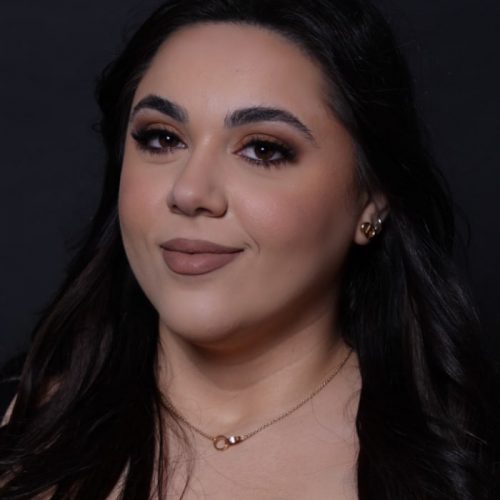
Marriage and Family Therapist Associate, MA
Medically reviewed by Verta Keshishyan, AMFT (Associate Marriage and Family Therapist), registered with the California Board of Behavioral Sciences and supervised by Ari Labowitz, LMFT. Verta has three years of experience with the Department of Mental Health supporting low-income families and families in crisis.
We specialize in treatments for mental health issues and co-occurring disorders.
We concentrate on mental health treatments and co-occurring conditions.
We provide a personalized approach to care.
We possess many years of relevant experience and a strong track record of success.
Every group is led by a master’s-level therapist.
Our partial hospitalization and intensive outpatient programs provide choices for morning, afternoon, or evening sessions.
We offer case management grounded in clinical evidence.
Experience a secure setting that allows you to concentrate on healing and maintaining a healthy way of life.
We provide opportunities to engage with individuals at every phase of recovery.
We accept most commercial PPO plans with out-of-network benefits. Coverage and costs vary by plan, and we verify your benefits before treatment.
We accept most commercial PPO plans with out-of-network benefits. Coverage and costs vary by plan, and we verify your benefits before treatment.