
Verify Insurance
Fast • Secure • Confidential
Speak with our team today
IOP for Hollywood runs at Quest Wellness Center, six miles north over Cahuenga Pass in North Hollywood. Search iop Hollywood and this facility is the short drive over the hill, not a Westside or West Hollywood option. The program treats depression, anxiety, PTSD, trauma, and co-occurring substance use across morning, afternoon, and evening tracks, running 3 to 4 hours a day, 3 to 5 days a week, in person or virtually across California.
Quest Wellness Center is at 10736 Burbank Boulevard in North Hollywood, roughly six miles from central Hollywood. Cahuenga Pass links the two directly, either the 101 or Cahuenga Boulevard itself, and outside rush hour the drive runs 12 to 18 minutes. From Hollywood you head against the heaviest commuter flow, which keeps the trip short even at session hours.
That proximity makes in-person attendance realistic in a way it is not from the Westside. You can finish a morning session and be back in Hollywood by midday. For anyone who prefers to attend from home, the virtual track runs the identical program across California, and hybrid attendance lets you combine the two as the week demands.
Worth clearing up front. Search results mix these constantly. Quest is in North Hollywood, a separate Valley neighborhood, and serves people living in Hollywood proper. West Hollywood is a different city with its own providers. From Hollywood, Quest is a short northbound drive over the pass.
The distinction is practical, not just geographic. A program you can reach in fifteen minutes is one you attend three to five times a week. One across town on the wrong side of traffic is one you start skipping by week two.
IOP fits adults who are medically stable but need more than a weekly therapy hour delivers. You get 9 to 20 clinical hours a week while living at home and keeping work or school going.
People arrive by two routes. Some step down from a partial hospitalization program or residential stay as symptoms ease and the intensity can safely drop. Others step up from weekly therapy that has been useful but is no longer keeping pace with what they are facing. Anyone in acute crisis, active withdrawal, or needing 24-hour supervision needs a higher level of care first, and the admissions team will direct you there rather than placing you where you do not fit. Many individuals find themselves seeking IOP in North Hollywood as they transition to a more flexible treatment option. This program allows them to receive support while gradually reintegrating into daily life.
Quest treats mental health and any co-occurring substance use inside one plan instead of running them separately. The program centers on depression, anxiety and panic, PTSD and complex trauma, personality and mood disorders, suicidal ideation, and dual diagnosis.
Treating a mental health condition while ignoring the substance use tangled up with it tends to fail, because the untreated side keeps pulling the treated side back. One plan covering both is the approach that holds.
Quest runs morning, afternoon, and evening tracks, clinically identical, differing only in hour. The choice comes down to how your day is built.
Morning fits people who want treatment done before work or who simply function better early. Afternoon suits parents around school pickup and anyone easing down from a higher level of care. Evening runs for full-time workers and is the one most people ask about, since it fits around a nine-to-five without anyone at work needing to know. Because the facility is close, none of these tracks demand a punishing commute to reach, whichever hour you pick.
Length of stay tracks clinical progress rather than a fixed number of weeks. Your therapist sets the timeline with you and revises it as you move.
The week is built from clinical groups, individual therapy, and case management spread across 3 to 5 days. Groups do most of the work, each with a set subject rather than open airtime: psychoeducation, relapse prevention, co-occurring disorders, and process sessions in rotation.
Individual therapy is your private hour with a licensed clinician, used to take apart what group brings up. Case management runs the practical track alongside the clinical one, coordinating outside care and turning session insight into something workable at home. Medication management is on hand when the plan needs it.
The clues are usually about function rather than a formal diagnosis. Appointments start getting cancelled because the week overran. Work output slips enough that people around you notice. Sleep or appetite changed weeks back and never reset. Someone close said something plainly instead of hinting. On their own none of these decide anything, but stacked together they point to weekly therapy no longer matching the load.
The intake assessment exists to sort exactly that. It reviews your symptom history, past treatment, current medications, and what you need a program to actually do, then gives a straight answer on whether IOP is the fit or whether a heavier or lighter level makes more sense. Asking costs nothing and stays confidential. It’s the same program offered across the basin as intensive outpatient in Los Angeles and throughout the San Fernando Valley.
The core methods are Cognitive Behavioral Therapy, Dialectical Behavior Therapy, Motivational Interviewing, and trauma-informed practice. CBT goes after the thinking patterns underneath mood symptoms and hands you ways to break them. DBT trains distress tolerance and emotional regulation for feelings that move faster than you can hold. Motivational Interviewing meets your readiness to change where it genuinely is rather than where anyone wishes it were.
Trauma-informed groups run the length of the program, drawing on evidence-based methods that build understanding and resilience through a strengths-focused approach instead of forcing you back through the event itself. The fuller set adds EMDR, Acceptance and Commitment Therapy, Solution-Focused Brief Therapy, and psychodynamic therapy.
The support network around Hollywood, the community groups, peer connections, and outside clinicians you already lean on, gets built into the plan rather than treated as separate. Case management folds those connections in from the start.
If you already see a therapist or psychiatrist in the Hollywood area, that relationship stays. The team coordinates with an outside prescriber rather than taking over the medication. If you are starting without that support in place, case management helps you build it before discharge, because the handoff out of structured care is exactly where people tend to lose ground.
Quest Wellness Center accepts most commercial PPO plans with out-of-network benefits, and we verify your coverage before treatment begins. What you pay depends on your plan, deductible, and coinsurance.
The benefits check runs about fifteen minutes on the phone. Where you sit in your plan year moves the figure more than anything, which is why two people on the same track can owe very different amounts. Virtual sessions bill the same as in-person under most policies, though yours is the one that governs. Put your carrier and member ID into the form here to get it started.
PHP | IOP | |
Hours per day | 5 to 6 hours | 3 to 4 hours |
Days per week | 3 to 5 days | 3 to 5 days |
Best for | Near-daily structure without an overnight stay | Keeping work or school while in treatment |
Drive from Hollywood | Same six miles | Same six miles |
Scheduling | Daytime | Morning, afternoon, or evening |
PHP is the heavier level, for symptoms needing near-daily contact short of residential. IOP is the step down, for people steady enough to run their own days with fewer clinical hours. The standard route moves PHP to IOP to outpatient, each transition made on progress.
North Hollywood, at 10736 Burbank Boulevard, about six miles over Cahuenga Pass from central Hollywood. The drive is 12 to 18 minutes outside rush hour.
No. Quest is in North Hollywood and serves Hollywood residents. West Hollywood is a separate city with its own providers.
Yes. Virtual IOP runs the same clinical structure across California, so you can attend entirely from Hollywood if you prefer.
Three to four hours a day, three to five days a week, which lands at 9 to 20 clinical hours.
Yes. The evening track is built for people working days, with the same clinical content as morning and afternoon.
Quest Wellness Center accepts most commercial PPO plans with out-of-network benefits, and we verify your coverage before treatment begins. What you pay depends on your plan, deductible, and coinsurance.
No. IOP is not detox and Quest does not provide detox. If you need medical detox first, the team helps you line it up with an appropriate provider beforehand.
PHP runs 5 to 6 hours a day for people needing near-daily structure. IOP runs 3 to 4 hours a day for people managing more on their own.
Call (818) 275-9810 or send the verification form. Admissions checks your coverage and sets up the assessment that confirms the level of care.
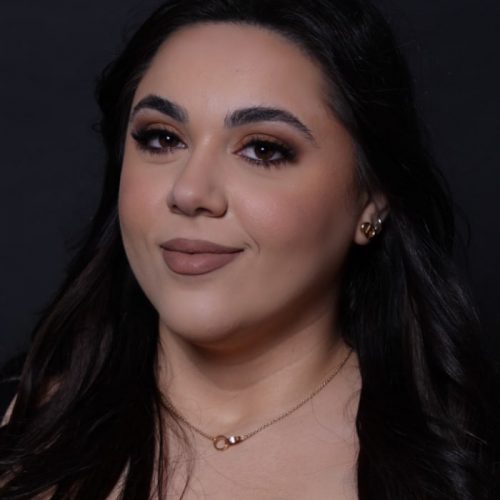
Marriage and Family Therapist Associate, MA
Medically reviewed by Verta Keshishyan, AMFT (Associate Marriage and Family Therapist), registered with the California Board of Behavioral Sciences and supervised by Ari Labowitz, LMFT. Verta has three years of experience with the Department of Mental Health supporting low-income families and families in crisis.
We specialize in treatments for mental health issues and co-occurring disorders.
We concentrate on mental health treatments and co-occurring conditions.
We provide a personalized approach to care.
We possess many years of relevant experience and a strong track record of success.
Every group is led by a master’s-level therapist.
Our partial hospitalization and intensive outpatient programs provide choices for morning, afternoon, or evening sessions.
We offer case management grounded in clinical evidence.
Experience a secure setting that allows you to concentrate on healing and maintaining a healthy way of life.
We provide opportunities to engage with individuals at every phase of recovery.
We accept most commercial PPO plans with out-of-network benefits. Coverage and costs vary by plan, and we verify your benefits before treatment.
We accept most commercial PPO plans with out-of-network benefits. Coverage and costs vary by plan, and we verify your benefits before treatment.