






Anxiety is real, not weakness or “just stress.” You can feel racing thoughts, nausea, dizziness, tight muscles, fatigue, irritability, and trouble concentrating even when no clear danger exists. Anxiety disorders are clinically recognized and are the most common mental disorders worldwide. When people dismiss your symptoms, you may delay support and blame yourself. Naming anxiety accurately helps reduce shame, protect your wellbeing, and open the door to effective care. Here’s what the myths get wrong.
Key Takeaways
- Anxiety disorders are real, clinically recognized conditions, not weakness, overreacting, or ordinary nervousness.
- Symptoms can include racing thoughts, nausea, dizziness, fatigue, restlessness, irritability, and trouble concentrating.
- Anxiety can appear without obvious danger and disrupt work, school, sleep, relationships, and daily decisions.
- Myths like “just calm down” or “it’s only stress” delay recognition, support, and treatment.
- Effective care exists, and naming symptoms clearly can reduce shame and help people seek support.
Is anxiety real, or all in your head

Anxiety is real, even when others can’t see it. Anxiety disorders are clinically recognized conditions, not personal weakness or ordinary nervousness. They can bring real symptoms such as racing thoughts, restlessness, irritability, fatigue, nausea, dizziness, and trouble concentrating. You may feel afraid even when nothing obvious is happening, and that doesn’t mean you’re making it up.
Anxiety also affects how you function. It can interfere with work, school, relationships, sleep, and daily decisions. The World Health Organization identifies anxiety disorders as the most common mental disorders worldwide, so you’re not alone. Effective care exists, but treatment accessibility remains uneven. If anxiety is limiting your life, you deserve support, assessment, and evidence-based help. There are effective techniques for anxiety management that can help you regain control and improve your well-being.
Where did this belief come from
This belief often comes from stigma, poor mental health education, and environments that reward people for hiding distress. You may have learned, directly or indirectly, that fear should be pushed through, hidden, or explained away as “just stress.” Families, schools, workplaces, and media often reward calm performance while treating distress as weakness. That creates anxiety myths: you’re overreacting, you’re attention-seeking, or you just need to relax.
Normalization can help, but it can also confuse things. Everyone feels nervous sometimes, so people may wrongly assume clinical anxiety is the same experience at a higher volume. If you’ve heard that message often, you might minimize symptoms or delay asking for support. Stigma, poor mental health education, and limited treatment access all reinforce the belief that anxiety isn’t serious or deserving of care.
What does the physical evidence show
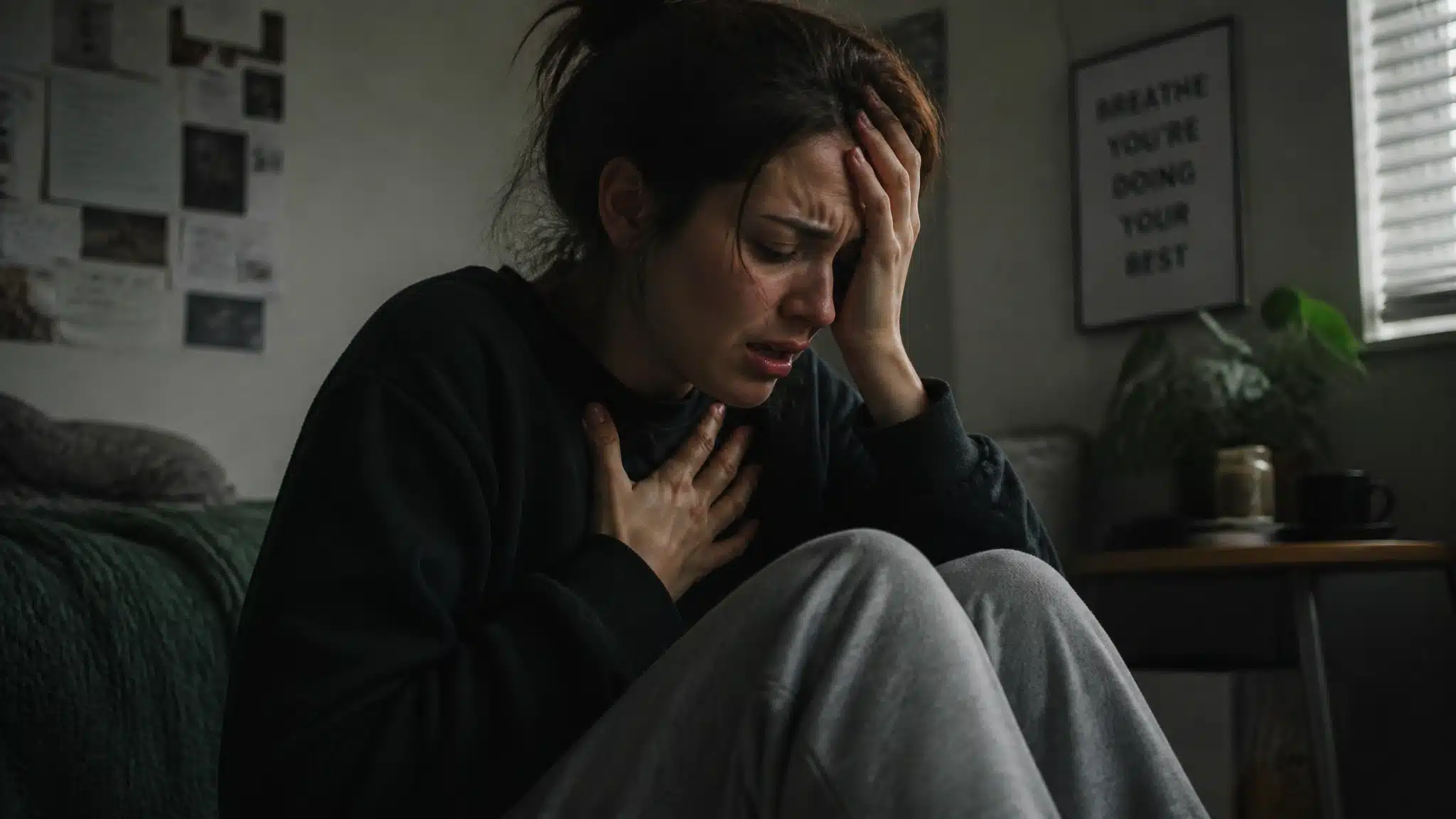
Anxiety can show up in the body as a racing heart, nausea, dizziness, tight muscles, fatigue, restlessness, or trouble concentrating. These aren’t signs of weakness, they’re clinical symptoms linked to anxiety disorders, which the World Health Organization recognizes as common mental health conditions.
Your nervous system can stay on high alert even when danger isn’t present. Over time, that can disrupt sleep, work, school, relationships, and daily routines. Anxiety often starts in childhood or adolescence, so noticing body signals early matters.
If these symptoms feel persistent, intense, or out of proportion, you deserve support. Effective treatments exist, but treatment access remains limited for many people. Your symptoms are real, and getting help is a practical health step.
Which myths persist against the facts
Myths about anxiety persist because stigma, misunderstanding, and oversimplified ideas can drown out clinical facts. You may hear that anxiety is “just stress,” “attention-seeking,” or something you should simply push through. Those anxiety myths ignore clinical evidence: anxiety disorders can persist, intensify, cause physical symptoms, and disrupt work, school, sleep, and relationships.
| Myth | Fact |
|---|---|
| “It’s only nervousness.” | Anxiety can be excessive, chronic, and impairing. |
| “It’s rare.” | It’s the world’s most common mental disorder category. |
Naming anxiety accurately improves recognition and reduces shame. That matters because effective care exists, yet many people never receive it. Better understanding can turn dismissal into treatment access, helping you seek support before symptoms become more limiting. Facts don’t minimize your experience; they validate it and point toward options.
Who hears this dismissal most often

Young people, women, people with social anxiety, and those already seen as “sensitive” often hear “you’re overreacting” most. Anxiety disorders often begin in childhood or adolescence, and data show women report higher anxiety than men. Dismissal reflects anxiety myths, not your character.
Being dismissed for anxiety says more about stigma than it says about you.
- If you’re a teenager, adults may mistake symptoms for drama.
- If you’re a woman, stigma may label fear as weakness.
- If you avoid social situations, others may call it shyness.
- If your symptoms look physical, nausea, dizziness, fatigue, people may miss anxiety.
You’re not imagining it. Anxiety can affect school, work, relationships, and concentration. When others minimize it, they reinforce stigma and help-seeking barriers. Accurate information helps you name what’s happening and feel less alone today.
Why does dismissal delay treatment
Dismissal delays treatment by making anxiety symptoms seem less serious, less real, or not worth getting help for. When someone tells you anxiety is “just stress” or “all in your head,” anxiety myths can make you doubt your own symptoms. You may wait longer before naming what’s happening, even if you’re dealing with dizziness, nausea, fatigue, irritability, or trouble concentrating. That delay matters because anxiety disorders can persist, spread into work, school, relationships, and daily routines, and worsen over time.
Dismissal also affects treatment access. If you feel embarrassed or unsupported, you’re less likely to ask about therapy, medication, or screening. Yet effective treatments exist, and many people don’t receive them. Early intervention helps reduce impairment and teaches you skills before avoidance patterns become harder to change. Your distress deserves recognition.
What helps you stand your ground
Taking your symptoms seriously helps you stand your ground.
- Name what you notice: racing thoughts, nausea, dizziness, fatigue, avoidance, or trouble concentrating.
- Use clear language: “This is affecting my work, school, relationships, or daily life.”
- Set a boundary: “I’m not debating whether this is real; I’m deciding what helps.”
- Keep evidence close: anxiety disorders are common, treatable, and often under-treated.
Stigma can make you doubt yourself, but doubt isn’t diagnosis. If symptoms persist, worsen, or limit your life, seeking care is reasonable. Better treatment access starts when you take your experience seriously.
Why does Quest Wellness Center take anxiety seriously
Quest Wellness Center takes anxiety seriously because anxiety disorders are real clinical conditions that can affect sleep, focus, relationships, school, work, and physical comfort. You’re not dismissed as “overreacting” or told to simply calm down. Your symptoms deserve careful assessment, not judgment.
Early, evidence-based support can reduce suffering and help prevent symptoms from worsening. You get education that supports stigma debunking, so you can understand the difference between normal stress and anxiety that disrupts daily life. You also get help identifying patterns, triggers, and treatment options that fit your needs. By improving treatment access, your care team helps you move from confusion or shame toward practical support, skills, and supportive, evidence-based care with confidence.
You Do Not Have to Prove Your Anxiety Is “Bad Enough”
Anxiety does not need to reach a crisis before it deserves attention. If worry, physical symptoms, avoidance, or fear are interfering with your routine, Quest Wellness Center offers anxiety treatment through PHP, IOP, outpatient care, therapy, medication management, and online options. An assessment can help determine what is driving the symptoms and what level of care fits. Call (818) 275-9810 to discuss your treatment options.
Frequently Asked Questions
Can Anxiety Qualify as a Workplace Disability?
Yes, anxiety can qualify as a workplace disability if it substantially limits your major life activities or work functioning. You don’t need to prove you’re “weak”; anxiety disorders are real clinical conditions with symptoms like panic, concentration problems, fatigue, nausea, or avoidance. If anxiety affects your job, you can request reasonable accommodations, such as schedule changes, breaks, remote work, or quieter spaces. You’ll usually need medical documentation to support your request.
How Do I Discuss Anxiety With My Primary Doctor?
Tell your doctor what you’ve noticed, how long it’s lasted, and how it affects sleep, work, school, relationships, or daily tasks. You can say, “I’m worried this is anxiety, and I’d like help.” Mention physical symptoms like nausea, dizziness, fatigue, restlessness, or trouble concentrating. Ask about screening, medical causes, therapy, medication, and referrals. You’re not overreacting; anxiety disorders are common, recognized, and treatable with support and care.
Can Anxiety Symptoms Mimic Heart or Thyroid Problems?
Yes, anxiety symptoms can mimic heart or thyroid problems. You might feel palpitations, chest tightness, dizziness, sweating, nausea, trembling, or shortness of breath. Hyperthyroidism and heart rhythm issues can cause similar symptoms, so don’t assume it’s “just anxiety.” You should tell your primary doctor what you’re experiencing, when it happens, and any triggers. They can check vitals, order labs or an ECG, and guide next steps.
What Should I Do During a Panic Attack?
During a panic attack, remind yourself it’ll pass, then slow your breathing: inhale for four, exhale for six. Plant your feet, name five things you see, and relax your shoulders. Don’t fight the sensations; label them as anxiety, not danger. Move to a quieter place if you can. If chest pain, fainting, or new severe symptoms occur, seek urgent medical help. Afterward, consider evidence-based support like CBT or therapy.
How Can Families Support Someone With Anxiety?
You can support someone with anxiety by listening without judgment, taking symptoms seriously, and encouraging professional help. Don’t dismiss it as “just stress”; anxiety can persist, worsen, and disrupt daily life. Ask what helps during anxious moments, offer practical support, and respect boundaries. You can learn their triggers, support treatment, and celebrate small progress. If they mention self-harm, intense panic, or feeling unsafe, seek urgent help immediately.