






You can manage anxiety without medication, and the research backs it up. Cognitive behavioral therapy (CBT) has the strongest evidence, working across anxiety disorders and delivering durable symptom reduction. Mindfulness-based stress reduction can rival medication for some people with consistent daily practice. Relaxation techniques offer quick relief, while exercise, sleep, and limiting caffeine support your progress. But knowing which option fits your effort and goals is where it gets interesting.
Key Takeaways
- Cognitive behavioral therapy (CBT) has the strongest evidence base for anxiety and delivers durable, research-supported symptom reduction across disorders.
- Mindfulness-based stress reduction can meaningfully reduce anxiety and, for some people, compare with medication, but it requires consistent daily practice.
- Relaxation techniques such as diaphragmatic breathing and progressive muscle relaxation offer low-effort, fast acute relief with modest overall impact.
- Lifestyle changes such as regular exercise, adequate sleep, limited caffeine and alcohol, nutritious eating, and social connection support symptom reduction.
- Non-medication approaches may not suffice if symptoms persist despite structured practice, making medication or professional escalation necessary
Can you manage anxiety without medication
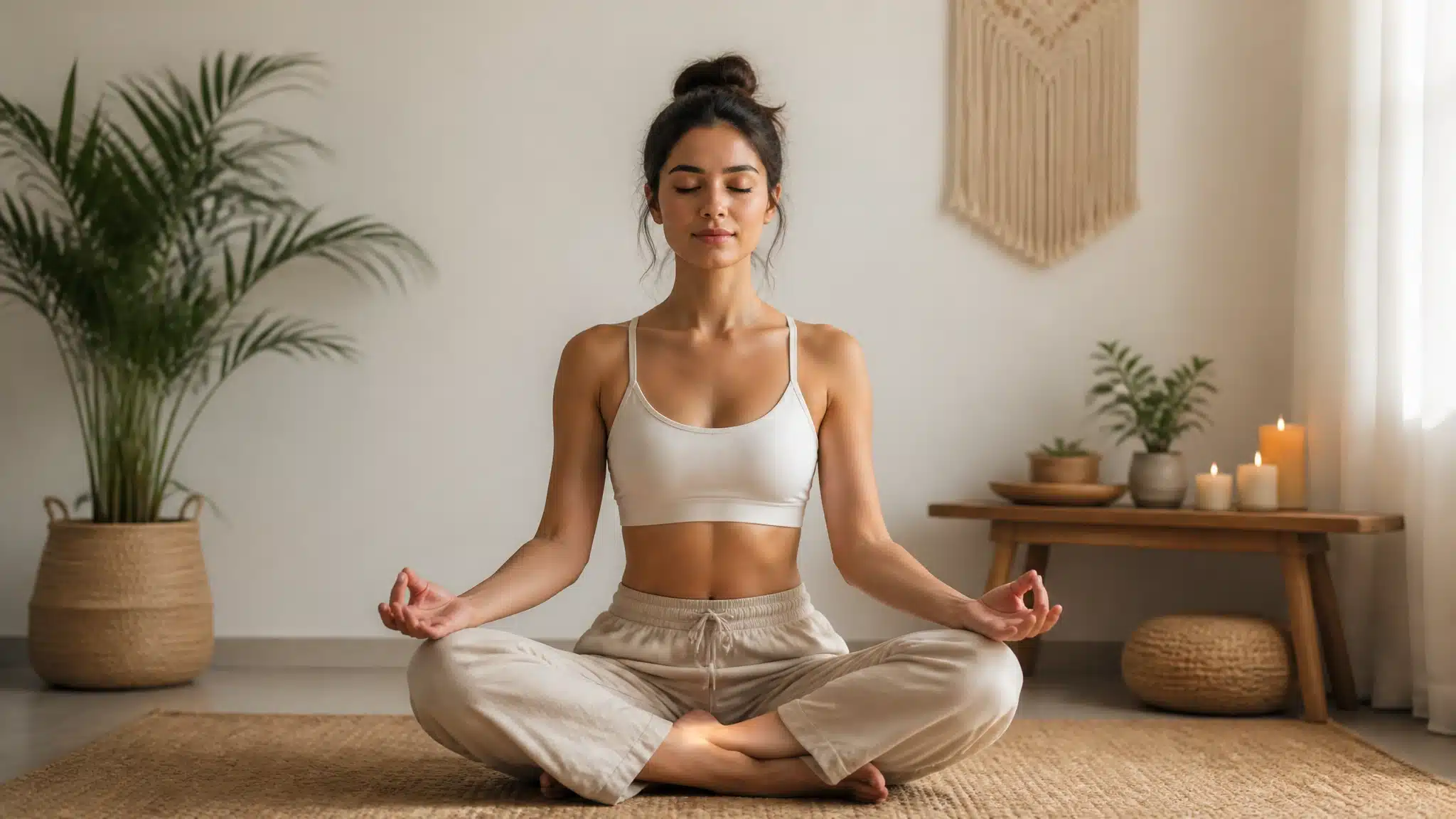
Yes, you can manage anxiety without medication, and the research backing these approaches is substantial. Cognitive behavioral therapy (CBT) has the strongest evidence base among non-medication treatments, proving effective across anxiety disorder categories and more effective than some older talk-therapy approaches for generalized anxiety and performance anxiety. You’ll also find strong support for mindfulness: randomized research has found that a mindfulness-based stress reduction program can reduce anxiety symptoms meaningfully, in some cases comparably to medication over a course of weeks. Relaxation techniques, including diaphragmatic breathing, progressive muscle relaxation, and guided imagery, offer additional, well-supported options you can use alone or alongside CBT.
Beyond structured therapies, lifestyle strategies matter. Regular exercise, adequate sleep, limiting caffeine and alcohol, and maintaining social support all contribute to evidence-based anxiety management. You’ve got real, research-backed alternatives worth considering.
Which talking therapies can you access quickly
CBT is your most accessible, evidence-backed talking therapy that you can start relatively quickly. Cognitive behavioral therapy has the strongest evidence base among non-medication treatments, proving effective across anxiety disorder categories and more effective than some older talk-therapy approaches for generalized anxiety and performance anxiety. You can access CBT alone or combined with relaxation training, which makes it flexible depending on your needs.
Beyond CBT, you’ll find other talk therapy formats worth considering, including acceptance and commitment therapy, counselling, exposure-based approaches, and structured problem solving. If you prefer a mindfulness-focused route, mindfulness-based stress reduction has shown anxiety reductions comparable to medication for some people in randomized trials. Starting with CBT gives you the most reliable, research-supported foundation while you explore what works best.
How much difference do lifestyle changes make
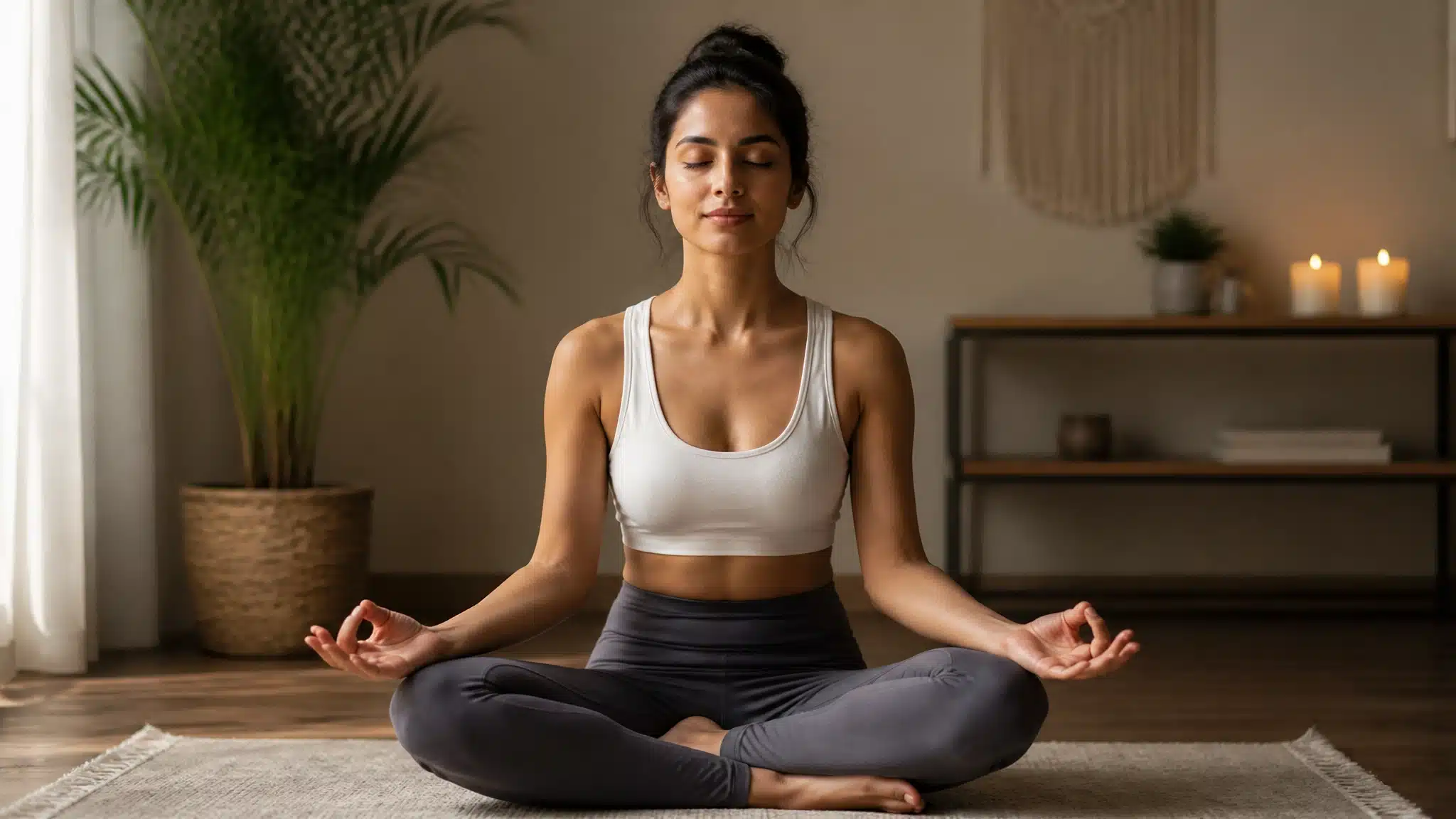
Lifestyle changes make more of a difference than you might expect. Exercise is repeatedly identified as a useful strategy for anxiety, functioning as a stress reliever and a component of evidence-based nonpharmacological care. Adequate sleep, consistent sleep and wake times, and outdoor walking all support symptom reduction. Limiting caffeine and alcohol matters too, since both can worsen anxiety. Nutritious eating and reduced sugar intake round out the daily habits Mayo Clinic recommends. Social connection with friends, family, or support groups adds further benefit. These changes won’t replace structured treatments like CBT, but they strengthen them. Mindfulness practices, when built into your routine, can produce meaningful reductions. So you’re not choosing one approach, you’re stacking habits that, together, measurably lower your anxiety over time.
Which option asks what effort for what result
Where should you invest your time first? Match your effort to the evidence, because not every approach delivers equal returns. CBT demands the most structured commitment but carries the strongest evidence base across anxiety disorders. Mindfulness requires significant daily practice, yet trials show it can rival medication for some people. Relaxation techniques ask the least and deliver quick, if modest, relief.
| Option | Effort Required | Expected Result |
|---|---|---|
| CBT | High: weekly sessions, homework | Strongest, durable symptom reduction |
| Mindfulness | Moderate-high: significant daily practice | Meaningful reduction, medication-level for some |
| Relaxation | Low: brief daily practice | Fast acute relief, modest overall |
You’ll get the most durable gains from CBT, but if you want accessible daily tools, relaxation and mindfulness offer meaningful, lower-barrier starting points worth pursuing.
What role does mindfulness genuinely play
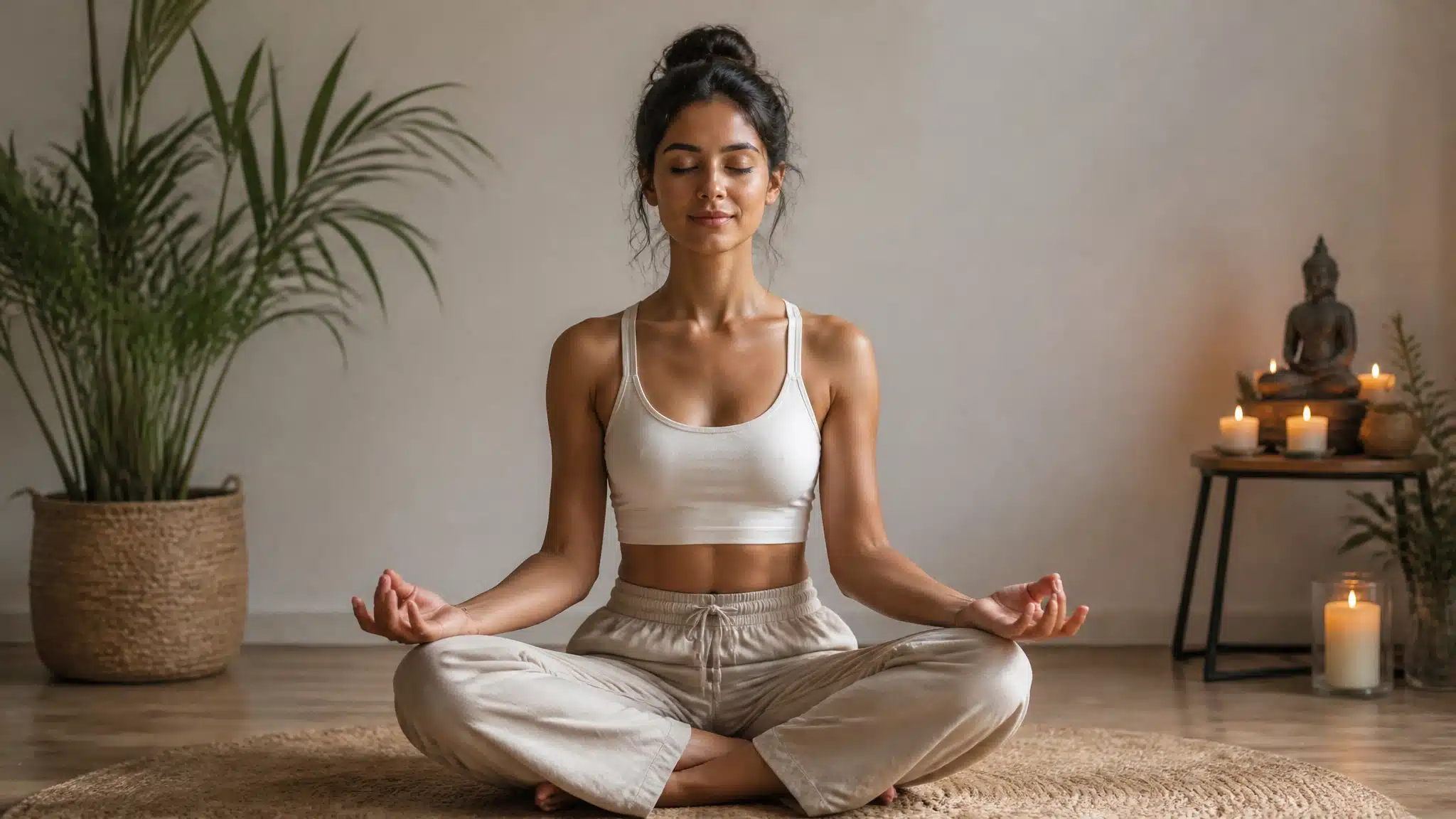
Mindfulness earns a place beside established treatments because it delivers measurable results. Randomized research reported by Harvard Health has found that a mindfulness-based stress reduction program can reduce anxiety symptoms meaningfully, in some cases comparably to medication over a course of weeks. That’s a meaningful result for a nonpharmacologic treatment, positioning mindfulness as a credible option in anxiety management.
But you should weigh the commitment. Participants practiced a significant amount of home meditation daily, plus a weekly class. That’s real effort, not a casual add-on.
The evidence suggests mindfulness-based practices may be as effective as established treatments for some people, though researchers agree more high-quality study is needed. So you can treat mindfulness as a legitimate, structured intervention, one that demands consistency, rather than a guaranteed substitute for every other approach.
When is natural treatment for anxiety not enough
Natural treatment for anxiety is not enough when symptoms persist despite dedicated effort, and you need to recognize the limits of self-directed care. Mindfulness can reduce anxiety meaningfully, comparably to medication for some people, yet that can still leave substantial symptoms for many. If your anxiety disrupts work, relationships, or daily functioning after weeks of structured practice, escalate your approach. Start with CBT, the strongest evidence-based non-medication treatment, which is more effective than some older talk-therapy approaches for generalized anxiety. Optimize sleep and routines alongside it, since inconsistent habits undermine any intervention. When these combined strategies still fall short, medication becomes a reasonable next step. Seeking professional evaluation isn’t failure, it’s a clinical decision based on symptom severity, duration, and functional impairment.
Will anxiety without medication stay manageable long term
Yes, anxiety can stay manageable long term without medication, but only if you maintain the practices that got you there. The skills you build through CBT, identifying distorted thoughts, using exposure, and applying structured problem solving, don’t expire, but they weaken without practice. You’ll get the most durable results when you keep reinforcing what works. Understanding anxiety triggers and treatments is crucial for long-term management.
Mindfulness delivers lasting benefit only with consistent effort. The research showing symptom reductions comparable to medication involved daily meditation, not occasional sessions. If you stop, gains often fade.
Your sleep and exercise habits matter just as much. Consistent sleep schedules and regular physical activity support anxiety regulation over months and years, not just in the moment.
Think of these as ongoing maintenance, not a one-time fix. When you sustain them, manageable anxiety typically stays that way. Myths about anxiety revealed can often lead to misunderstandings about the condition.
What non-drug plan would Quest Wellness Center build
Quest Wellness Center builds a non-drug plan that starts with the treatment that carries the strongest evidence: cognitive behavioral therapy. CBT anchors your care because controlled research and meta-analyses confirm its effectiveness across anxiety disorder categories, outperforming some older talk-therapy approaches for generalized anxiety and performance anxiety. From there, your clinicians layer in complementary strategies matched to your symptoms and goals.
- Mindfulness-based stress reduction, which randomized research has found can reduce anxiety symptoms meaningfully, in some cases comparably to medication
- Relaxation techniques like diaphragmatic breathing, progressive muscle relaxation, and guided imagery for acute symptom relief
- Lifestyle adjustments, including regular exercise, consistent sleep, limited caffeine and alcohol, and stronger social support
You won’t get a one-size-fits-all protocol. Instead, you’ll receive a personalized, evidence-based framework that adapts as your needs change.
When Self-Help Is Not Giving You Enough Relief
Managing anxiety without medication does not mean you have to manage it by yourself. Quest Wellness Center offers structured mental health treatment through PHP, IOP, outpatient, and virtual programs where you can work on anxiety through therapy, coping skills, group support, and strategies for reducing avoidance. If anxiety is still affecting your work, sleep, relationships, or daily routine despite your own efforts, call (818) 275-9810 to discuss your treatment options.
Frequently Asked Questions
Can Children and Teens Manage Anxiety Without Medication Safely?
You can help children and teens manage anxiety without medication using evidence-based approaches. CBT has the strongest support, effectively treating anxiety across diagnostic categories. You can add relaxation training, mindfulness, and regular exercise to build coping skills. Prioritize consistent sleep, limit caffeine, and strengthen social support from family and peers. While these strategies work well for many, you’ll want professional guidance to tailor treatment and monitor your child’s progress safely.
Does Health Insurance Cover Non-Drug Anxiety Treatments Like CBT?
Coverage varies considerably by plan, so the reliable answer is to check directly with your insurer. What can be said generally is that CBT has the strongest evidence base among non-medication treatments for anxiety disorders, more effective than some older talk-therapy approaches for generalized anxiety and performance anxiety. Because plans and policies differ, verifying your specific benefits, including any session limits or referral requirements, is the only way to know what you’ll pay.
How Long Before Non-Medication Approaches Start Reducing Anxiety Symptoms?
You’ll often see meaningful anxiety reduction within a course of several weeks. In randomized research, mindfulness-based stress reduction lowered anxiety symptoms over roughly eight weeks, comparably to medication for some people, when practiced daily. CBT typically follows a structured, multi-week course before you notice clear gains. Breathing and relaxation techniques can ease acute anxiety almost immediately, but lasting improvement builds gradually with consistent practice. Your timeline depends on the approach and your commitment.
Can You Combine Anxiety Medication With Non-Drug Approaches Together?
Yes, you can combine anxiety medication with non-drug approaches, and doing so is often recommended. CBT, for example, can be used alone or alongside medication, and relaxation training combines effectively with CBT. You can also pair medication with lifestyle strategies like exercise, better sleep, limiting caffeine and alcohol, and building social support. Talk with your clinician to tailor a combined plan that fits your specific needs and treatment goals.
Are There Apps That Support Non-Medication Anxiety Management?
You can use apps that support techniques with solid evidence, like mindfulness meditation, deep breathing, and progressive muscle relaxation. Look for apps that guide daily mindfulness practice, since research shows structured meditation can reduce anxiety symptoms meaningfully. Some apps also offer CBT-based exercises, the approach with the strongest evidence base. While apps aren’t a replacement for professional care, they’re helpful tools for building consistent, self-directed anxiety management habits.